
What Is a Retractable Roof System?
What Is a Retractable Roof System?
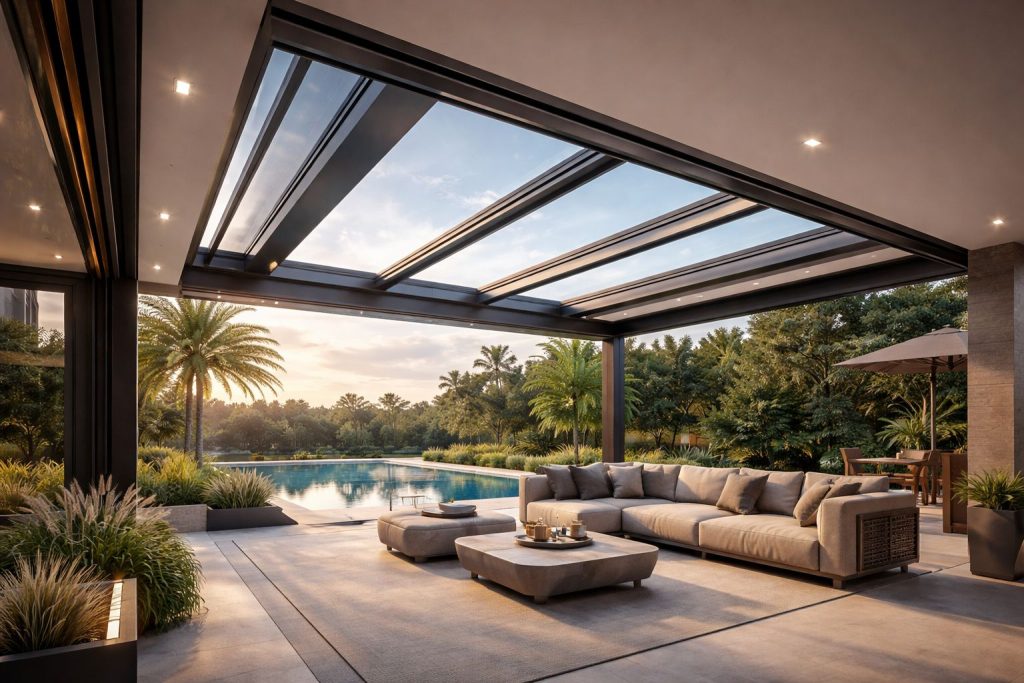
A retractable roof system is a movable roofing structure designed to open and close, offering flexible protection, daylight control, and climate adaptability for modern architectural spaces.
There is something undeniably compelling about spaces that can transform. One moment, you are sitting beneath a shaded, sheltered ceiling. The next, the sky opens above you. That seamless shift between indoors and outdoors is precisely what a retractable roof system delivers. And in contemporary architecture, this flexibility is no longer a luxury detail — it has become a strategic design choice.
If you are researching retractable roof systems, you are probably asking practical questions: How do they work? Are they structurally safe? What materials are used? Are they suitable for residential projects, commercial venues, or both? Let’s explore this in depth — from engineering logic to architectural experience.
Understanding the Core Concept of a Retractable Roof System
At its simplest level, a retractable roof is a roof structure that can open and close either manually or via motorized automation. But in practice, it is much more sophisticated than that.
Modern systems typically rely on:
- High-strength aluminum structural profiles
- Stainless steel mechanical components
- Weather-resistant panels (glass, polycarbonate, aluminum composite, or fabric)
- Rail and track mechanisms
- Motorized drive systems with remote or smart control integration
The goal is simple: provide permanent structural reliability while allowing dynamic movement.
How Does a Retractable Roof System Work?
Most retractable roof systems operate through a sliding or folding mechanism. Panels move along engineered rails using wheel systems designed to reduce friction and ensure smooth motion.
1. Sliding Panel Systems
In sliding configurations, panels glide horizontally along tracks. These are commonly used in terrace enclosures and winter gardens.
2. Folding (Bioclimatic) Systems
Bioclimatic retractable roofs use rotating aluminum louvers that tilt open or close. These systems regulate sunlight, ventilation, and rainwater drainage simultaneously.
3. Telescopic Systems
Telescopic roofs consist of multiple segments that slide beneath each other. They are frequently used for pool enclosures and large-span commercial spaces.
Beneath the visible elegance, structural calculations determine load resistance — particularly wind load and snow load performance. This is where engineering discipline meets architectural ambition.
Structural Integrity: Is a Retractable Roof Strong Enough?
This is one of the most common concerns. And honestly, it should be.
A properly engineered aluminum retractable roof is designed to meet international building codes. Structural aluminum profiles are calculated based on:
- Span width
- Local wind load requirements
- Snow load expectations
- Seismic considerations (where relevant)
High-grade aluminum alloys offer excellent strength-to-weight ratio. In my experience, this balance is exactly what makes aluminum superior to heavier steel alternatives in movable systems. Less weight means smoother motion and reduced mechanical stress over time.
Main Components of a Modern Retractable Roof System
| Component | Function |
|---|---|
| Structural Aluminum Profiles | Provide load-bearing capacity and frame stability |
| Rails & Tracks | Guide panel movement |
| Motor System | Automates opening and closing |
| Glazing or Panels | Weather protection and light control |
| Drainage Channels | Water management and runoff control |
Every element must work in harmony. A weakness in one component can compromise the entire performance of the system.
Materials Used in Retractable Roof Systems
Material selection is not just about aesthetics — it defines longevity, insulation, and maintenance requirements.
Aluminum
Corrosion-resistant, lightweight, and durable. Powder-coated finishes extend lifespan significantly.
Glass Panels
Tempered or laminated safety glass offers transparency and premium aesthetics. Often preferred in high-end residential and hospitality projects.
Polycarbonate
Lightweight, impact-resistant, and thermally efficient. Frequently used for large-span terrace covers.
Fabric Membranes
Used in tensile retractable systems. Ideal for stadium-style applications or contemporary outdoor shading.
Where Are Retractable Roof Systems Used?
The versatility of retractable roofing makes it suitable for various sectors:
- Residential terraces and patios
- Winter gardens
- Pool enclosures
- Restaurants and cafes
- Hotels and resorts
- Commercial courtyards
- Event venues
I’ve noticed that hospitality businesses particularly value retractable systems. Why? Because weather unpredictability becomes less of a business risk. Rain or shine, the space remains usable.
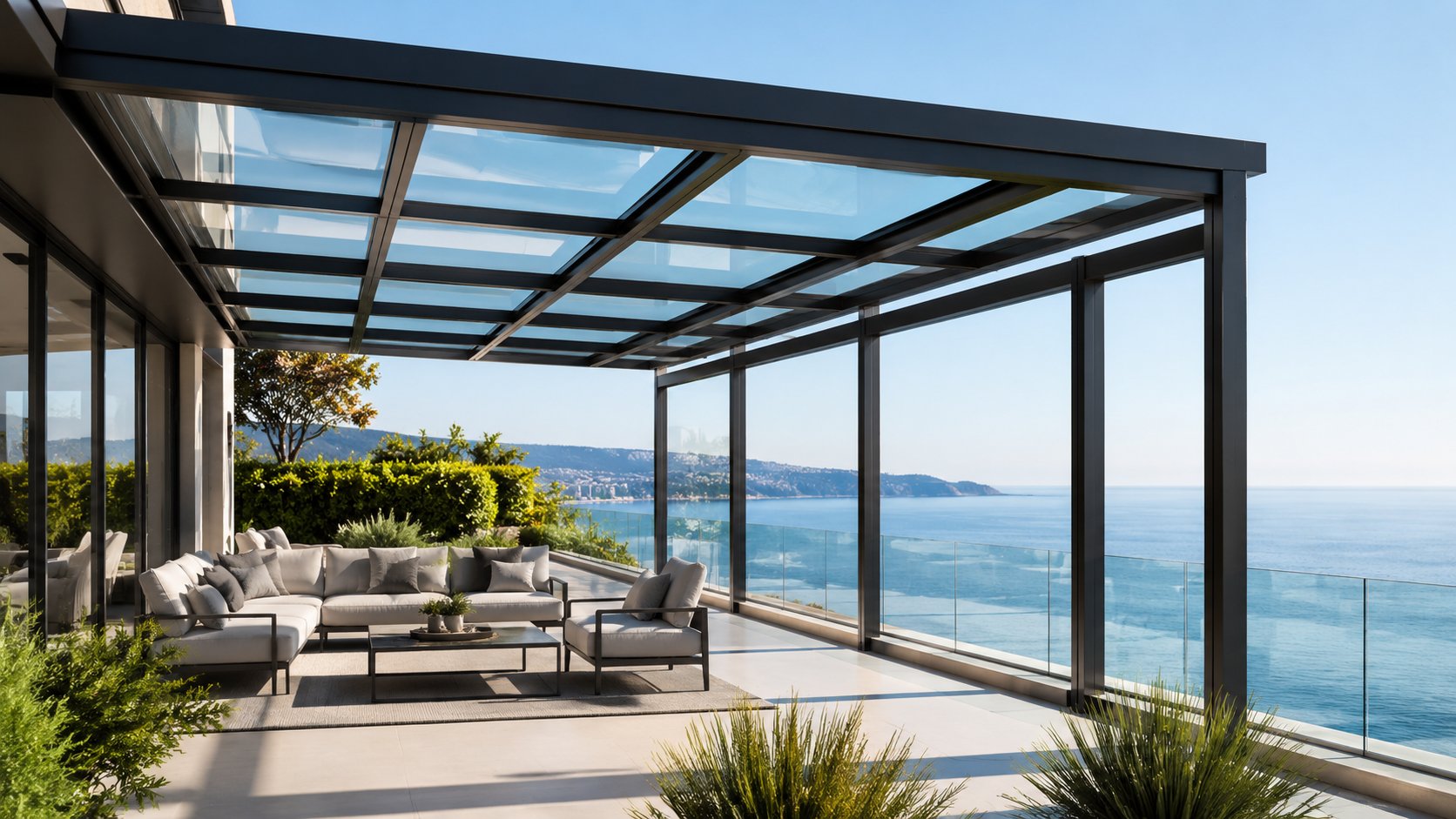
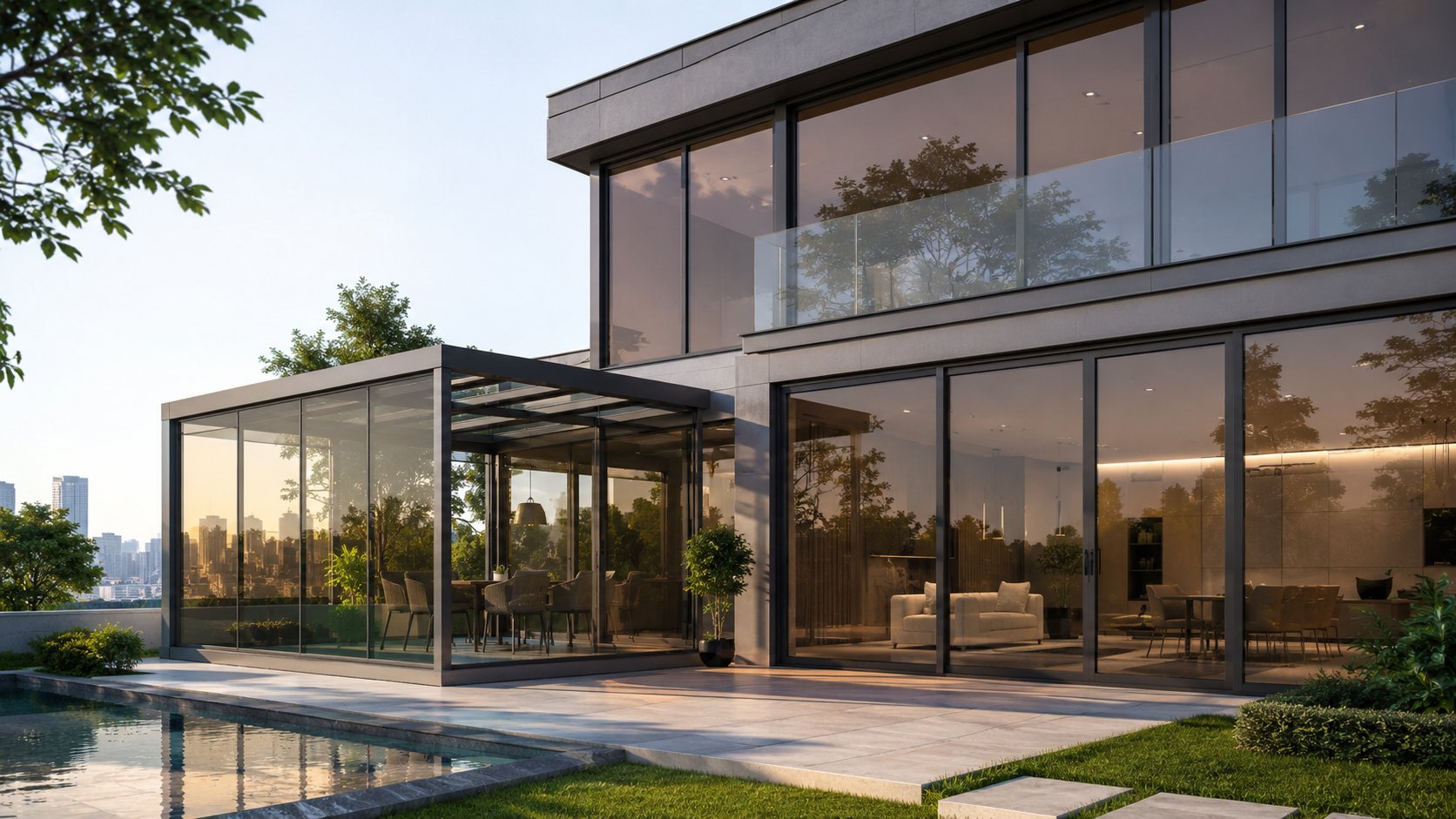
When the roof is combined with insulated side glazing, it can become the upper structure of a complete winter garden rather than a stand-alone shade system.
Advantages of Installing a Retractable Roof
1. Year-Round Usability
You are no longer dependent on seasonal conditions. Spaces can adapt instantly.
2. Natural Light Optimization
Open when you want sunlight. Close when glare becomes uncomfortable.
3. Energy Efficiency
By controlling solar gain, retractable systems reduce HVAC dependency.
4. Increased Property Value
Flexible architectural features often increase market appeal and long-term investment value.
5. Modern Architectural Appeal
Visually dynamic spaces create a memorable impression — and today, experience matters.
Retractable Roof vs Fixed Roof: Key Differences
| Feature | Retractable Roof | Fixed Roof |
|---|---|---|
| Flexibility | Open & close capability | Permanent structure |
| Ventilation | Natural airflow possible | Requires mechanical ventilation |
| Sunlight Control | Adjustable | Static |
| Installation Cost | Higher initial investment | Lower upfront cost |
In my opinion, if adaptability is a priority, a retractable solution makes far more sense than a fixed canopy.
Are Retractable Roof Systems Waterproof?
Yes — when engineered correctly. Integrated drainage channels and sealing gaskets ensure rainwater is directed away efficiently. However, precision in installation is critical. Even the best system can fail if improperly mounted.
Automation and Smart Integration
Today’s retractable roofs can integrate with:
- Wind sensors
- Rain sensors
- Smart home systems
- Mobile applications
Imagine the roof closing automatically when it detects rainfall. That level of convenience changes how we experience outdoor living.
Maintenance Requirements
Maintenance is relatively straightforward:
- Periodic cleaning of rails
- Checking motor systems annually
- Inspecting drainage channels
- Lubricating moving parts when necessary
Compared to many architectural systems, upkeep is surprisingly manageable.
Design Considerations Before Installation
Before selecting a retractable roof system, consider:
- Local climate conditions
- Building orientation
- Desired insulation performance
- Structural support capacity
- Integration with existing architecture
It’s not just about adding a roof. It’s about integrating a dynamic structural element into your design language.
Cost Factors of a Retractable Roof System
Costs vary depending on:
- Span width
- Material choice
- Motorization level
- Glass vs polycarbonate selection
- Project complexity
While initial investment is higher than fixed systems, long-term usability often justifies the expense.
Frequently Asked Questions (FAQ)
What is a retractable roof system?
A movable roofing structure that can open and close to provide flexible weather protection and ventilation.
Are retractable roofs durable?
Yes. High-quality aluminum systems are engineered for wind, snow, and long-term structural performance.
Can retractable roofs withstand heavy rain?
Properly installed systems are waterproof and include integrated drainage channels.
Do retractable roofs require electricity?
Motorized systems do. Manual versions are also available but less common in large structures.
Are retractable roofs energy efficient?
Yes. Adjustable sunlight control helps reduce heating and cooling loads.
How long do retractable roof systems last?
With proper maintenance, high-quality systems can last decades.
For a coordinated project, the roof movement, drainage and side panels should be designed together with the intended patio enclosure.
Final Thoughts
A retractable roof system is more than a shading solution. It is a transformative architectural feature that bridges indoor comfort with outdoor freedom. When engineered correctly and integrated thoughtfully, it enhances usability, aesthetics, and long-term value.
If you are considering incorporating a retractable roofing solution into your project, take time to evaluate structural design, climate conditions, and automation options carefully. The right system does not just cover a space — it redefines how that space is experienced.
If you found this guide helpful, feel free to share it or leave your thoughts. Conversations around adaptive architecture are always worth having.


Leave a Reply
You must be logged in to post a comment.