
What Is a Bioclimatic Pergola System?
What Is a Bioclimatic Pergola System?
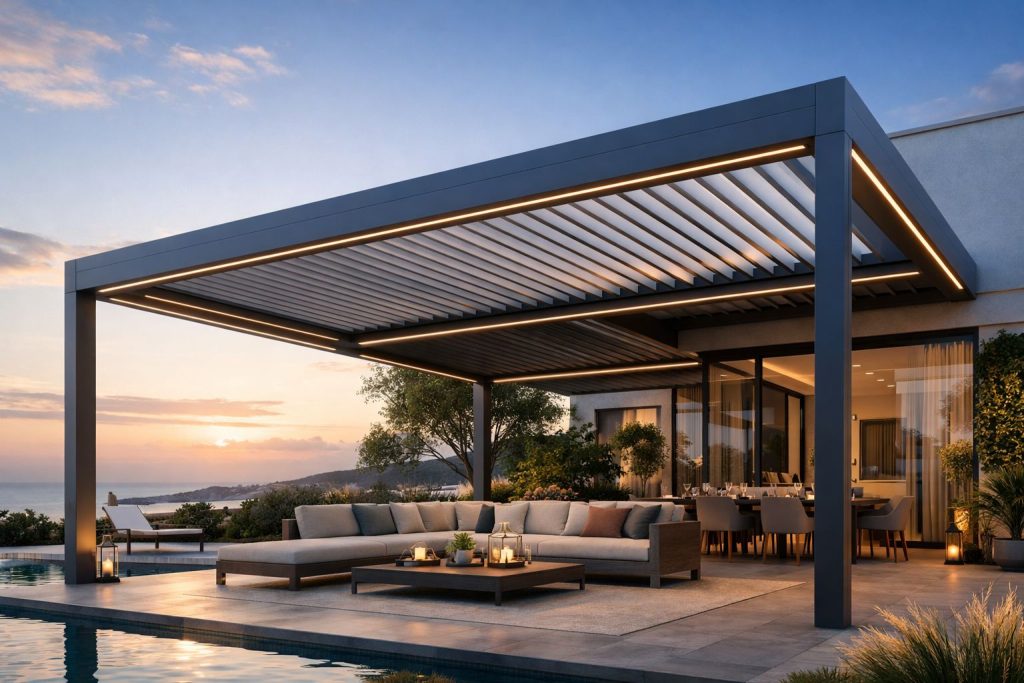
A bioclimatic pergola system is an advanced outdoor shading structure with adjustable aluminum louvers designed to control sunlight, airflow, and rain protection in outdoor living spaces.
Outdoor living has changed dramatically over the last decade. Terraces, patios, winter gardens, restaurant gardens, rooftop lounges… they are no longer seasonal spaces. They are extensions of architecture itself. And right at the center of this transformation stands one concept: the bioclimatic pergola system.
If you’ve been researching retractable roofs, aluminum pergolas, or modern patio enclosures, you’ve probably come across this term. But what does it really mean? Is it just a marketing label, or is there real engineering behind it? Let’s break it down properly — as architects would.
Understanding the Meaning of “Bioclimatic”
The word “bioclimatic” combines two key ideas: bio (life) and climate. In architecture, bioclimatic design refers to structures that respond intelligently to environmental conditions — sun, wind, temperature, humidity — to create comfort with minimal energy consumption.
A bioclimatic pergola, therefore, is not simply a shaded structure. It is a climate-responsive outdoor system that adapts to weather conditions and enhances thermal comfort naturally.
In my experience, this is where many people misunderstand the concept. It’s not just about shade. It’s about environmental control — without walls.
What Makes a Pergola “Bioclimatic”?
Not every aluminum pergola qualifies as bioclimatic. The defining feature is the motorized adjustable louvered roof system.
Core Components of a Bioclimatic Pergola System
- Adjustable aluminum louvers (rotating blades)
- Integrated drainage system
- Motorized control system
- High-grade aluminum frame structure
- Optional automation sensors (rain, wind, sun)
These louvers can rotate typically between 0° and 135°. When fully closed, they create a watertight roof. When partially open, they regulate sunlight and ventilation. Fully open? You get a completely open-sky experience.
That flexibility — that dynamic interaction with the environment — is what makes it bioclimatic.
How Does a Bioclimatic Pergola Work?
Let’s visualize a summer afternoon.
The sun is intense. You rotate the louvers to a 45-degree angle. Direct sunlight is blocked, but hot air rises and escapes through micro-gaps. Air circulation improves naturally. The result? A noticeably cooler space underneath.
Now imagine sudden rain. With a single remote command, the louvers close completely. Thanks to integrated gutter channels hidden inside the beams and columns, water is directed away efficiently. No leakage. No dripping edges.
This is passive climate management supported by precision engineering.
Bioclimatic Pergola vs Traditional Pergola
| Feature | Traditional Pergola | Bioclimatic Pergola System |
|---|---|---|
| Roof Type | Fixed slats or fabric | Motorized adjustable aluminum louvers |
| Rain Protection | Limited or none | Fully waterproof when closed |
| Ventilation Control | No control | Adjustable airflow regulation |
| Sunlight Management | Fixed shading | Dynamic light control |
| Automation | Manual | Remote, smart home integration possible |
Honestly, once clients experience adjustable louvers, going back to fixed shading feels restrictive.
Main Advantages of a Bioclimatic Pergola System
1. Four-Season Outdoor Use
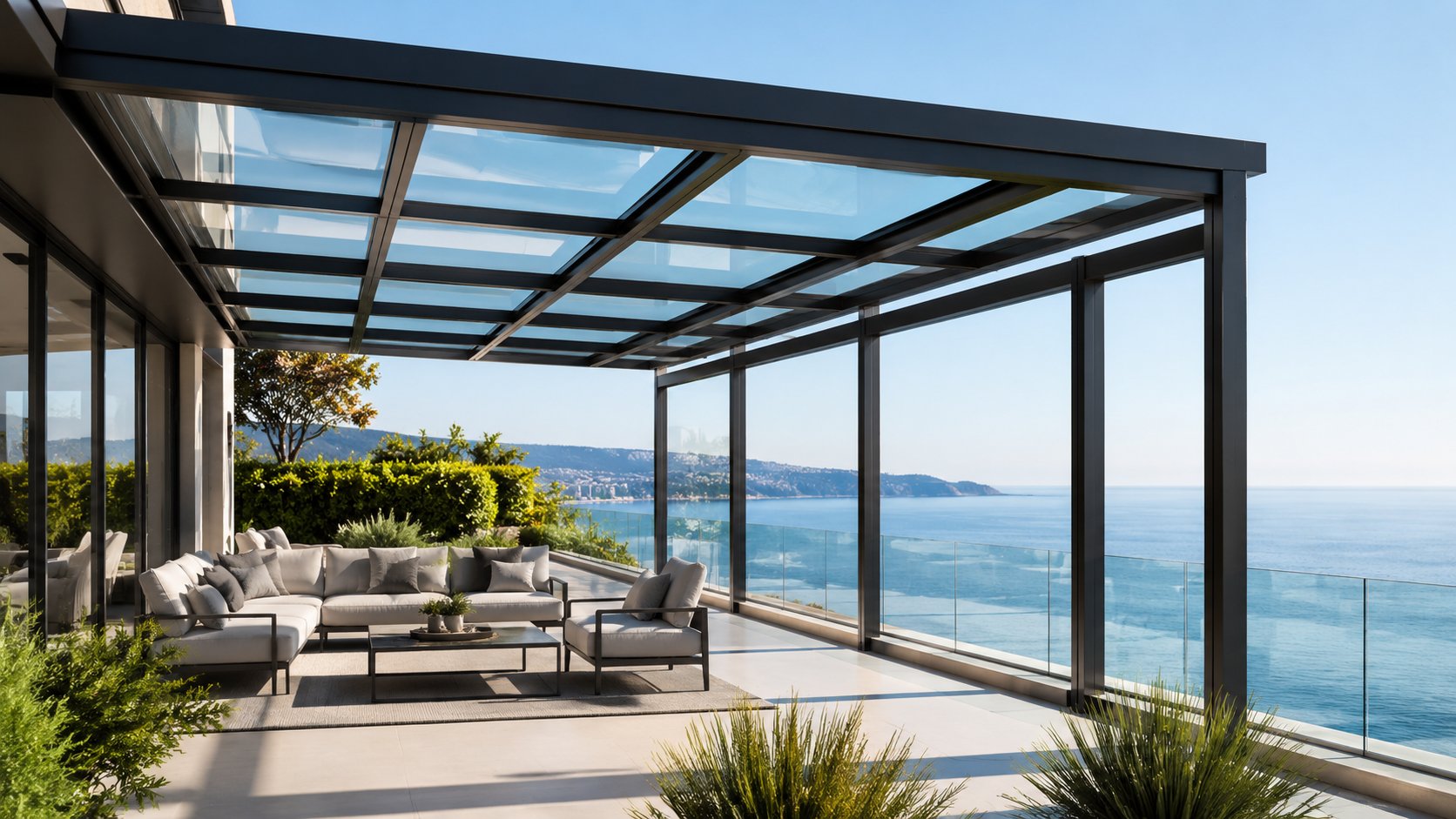
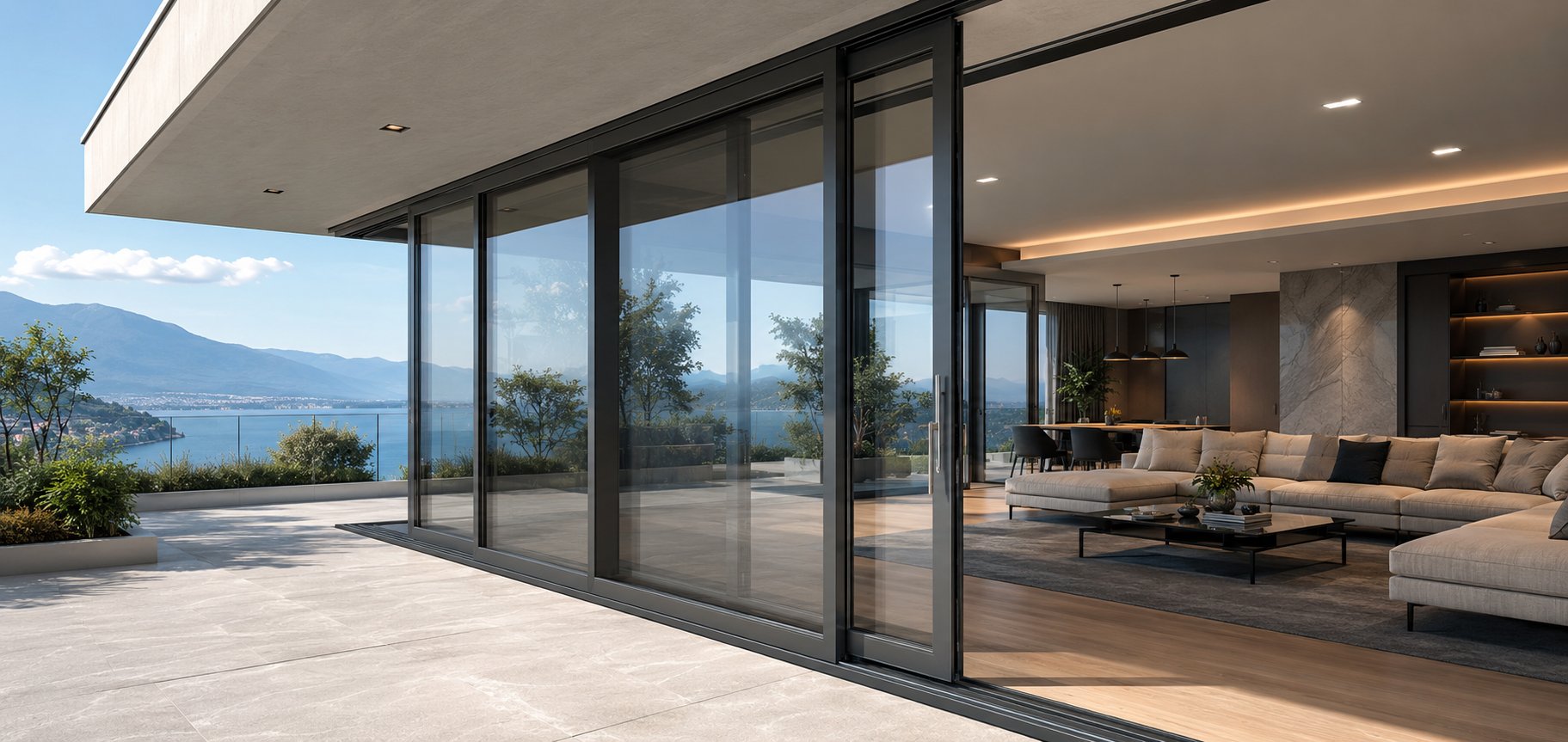
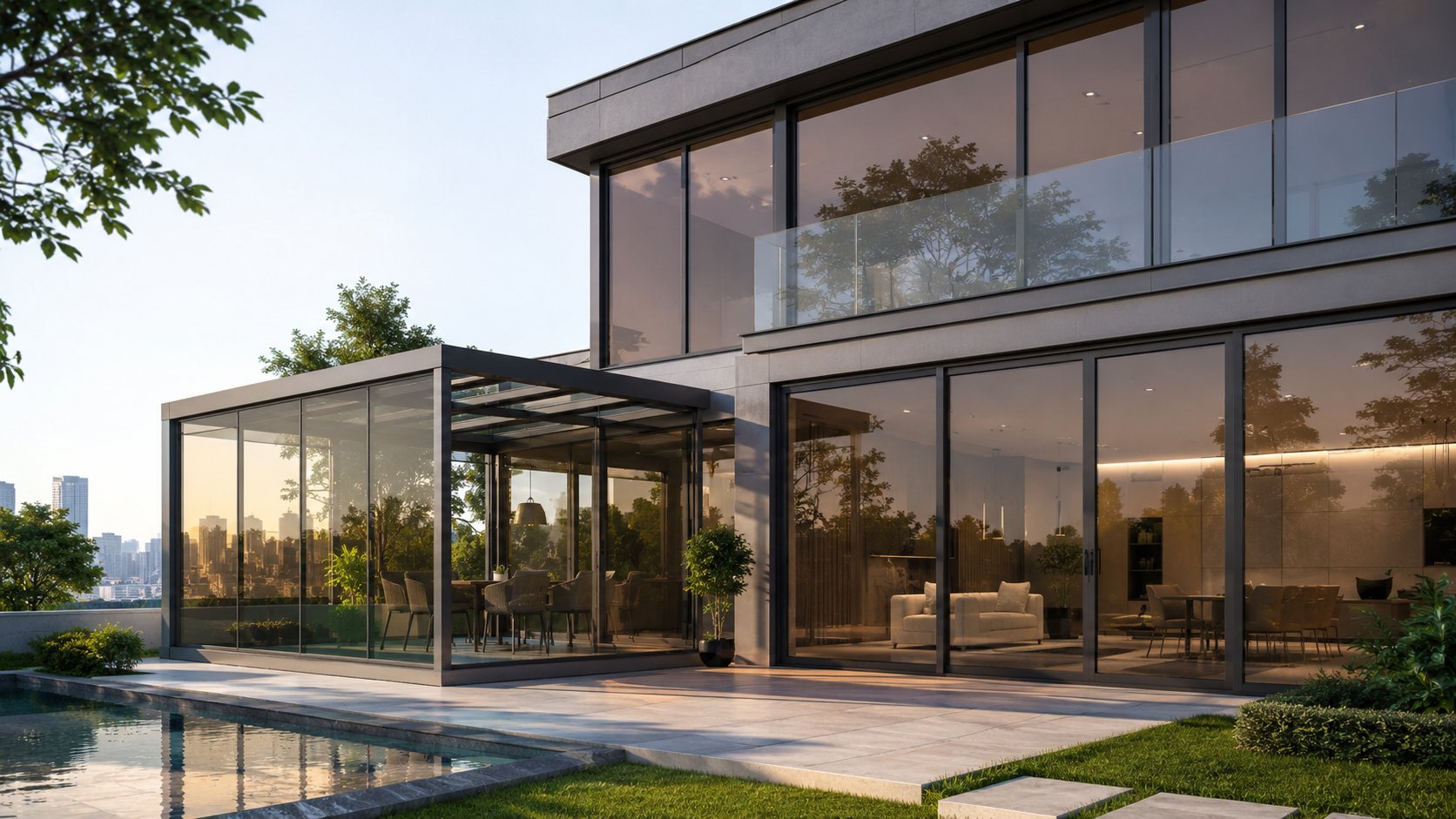
With optional glass sliding systems, zip screens, and integrated LED lighting, a bioclimatic pergola transforms into a semi-enclosed living space. Restaurants especially benefit from this. Capacity increases without permanent construction.
2. Energy Efficiency
By controlling solar gain naturally, these systems reduce overheating in adjacent interior spaces. That can lower air conditioning loads during summer months. It’s subtle, but over time, it matters.
3. Modern Architectural Aesthetics
Clean aluminum lines, hidden fasteners, minimalist profiles — bioclimatic pergolas align perfectly with contemporary architecture. Whether residential villas or commercial terraces, they complement modern façades beautifully.
4. Durable Aluminum Construction
Most high-end systems use powder-coated aluminum resistant to corrosion, UV radiation, and harsh weather. Compared to wooden pergolas, maintenance requirements are dramatically lower.
5. Property Value Enhancement
Outdoor living spaces increase real estate appeal. A well-integrated aluminum bioclimatic pergola often becomes a key architectural selling point.
Where Are Bioclimatic Pergola Systems Used?
Applications are broader than many assume:
- Private villa terraces
- Garden patios
- Rooftop lounges
- Hotel poolside areas
- Restaurant outdoor dining zones
- Cafés and hospitality venues
- Commercial office terraces
I’ve seen them installed even in coastal environments where wind loads are significant. With proper structural calculations, they perform remarkably well.
Are Bioclimatic Pergolas Waterproof?
Yes — when properly engineered.
The louvers interlock tightly when closed. Integrated drainage channels inside the structure collect rainwater and direct it through concealed downpipes within the columns.
However, installation quality is crucial. Even the best system can fail if leveling or sealing details are neglected. That’s something often overlooked in online discussions.
Manual vs Motorized Bioclimatic Pergolas
While some entry-level models may offer manual crank systems, most modern bioclimatic pergolas are motorized. And frankly, motorization makes the experience seamless.
Advanced systems can include:
- Wind sensors (automatic closure during storms)
- Rain sensors
- Sun sensors
- Smart home integration
- Mobile app control
That level of automation turns an outdoor structure into a responsive architectural element.
Structural Engineering Considerations
From a technical standpoint, bioclimatic pergolas must handle:
- Wind load resistance
- Snow load capacity
- Water drainage performance
- Thermal expansion of aluminum components
High-quality systems undergo structural testing and comply with international standards. Especially in snowy regions, snow load values should never be ignored.
It’s not just a decorative feature — it’s a structural product.
Customization Options
Modern bioclimatic pergola systems offer significant customization:
- Powder coating in any RAL color
- Integrated LED strip lighting
- ZIP screen vertical shading
- Sliding glass systems
- Heating systems for winter use
- Integrated sound systems
This modular flexibility allows architects to design cohesive outdoor environments rather than standalone add-ons.
Bioclimatic Pergola vs Retractable Fabric Awning
Many clients compare bioclimatic pergolas to retractable awnings. While awnings provide shade, they lack structural rigidity and full waterproof sealing.
Bioclimatic systems offer:
- Stronger wind resistance
- Permanent aluminum frame structure
- Integrated drainage
- Higher durability
- Year-round usability
Awnings are lightweight shading tools. Bioclimatic pergolas are architectural systems.
Installation Process
Installation typically includes:
- Site measurement and structural assessment
- Foundation or anchoring preparation
- Frame assembly
- Louver installation
- Electrical connection
- Water drainage testing
Depending on size, installation may take 1–3 days. Precision is essential, especially for water sealing and motor calibration.
How Much Does a Bioclimatic Pergola Cost?
Costs vary depending on:
- Dimensions
- Motorization level
- Automation features
- Additional enclosure systems
- Geographic installation conditions
While the initial investment is higher than traditional pergolas, the long-term durability and usability justify the cost in many projects.
Is a Bioclimatic Pergola Worth It?
If you value flexibility, durability, and architectural integration — absolutely.
From what I’ve observed in both residential and commercial projects, clients rarely regret choosing a bioclimatic system. The ability to control environment instantly changes how outdoor spaces are experienced.
It’s not just shade. It’s climate design at a human scale.
Frequently Asked Questions (FAQ)
What is a bioclimatic pergola?
A bioclimatic pergola is an aluminum outdoor structure with adjustable motorized louvers that control sunlight, airflow, and rain protection.
Are bioclimatic pergolas waterproof?
Yes. When the louvers are fully closed, they create a watertight surface supported by integrated drainage channels.
Can bioclimatic pergolas be used in winter?
Yes. With optional glass enclosures and heating systems, they can function as four-season outdoor spaces.
Do bioclimatic pergolas require maintenance?
Minimal maintenance is required. Aluminum construction resists corrosion and weather damage.
Are they suitable for commercial use?
Absolutely. Restaurants, hotels, and cafés widely use bioclimatic pergolas to expand functional seating areas.
How long do bioclimatic pergolas last?
High-quality systems can last decades with proper installation and periodic inspection.
Final Thoughts
Outdoor architecture is no longer secondary to indoor design. In many projects, it defines the experience entirely. A well-designed bioclimatic pergola system does more than provide shade — it reshapes how you interact with climate, light, and space.
If you’re planning to enhance a terrace, rooftop, or hospitality project, explore how a bioclimatic pergola could transform the environment. And if you have specific project questions, feel free to share your thoughts — conversations often lead to the best design decisions.


Leave a Reply
You must be logged in to post a comment.