
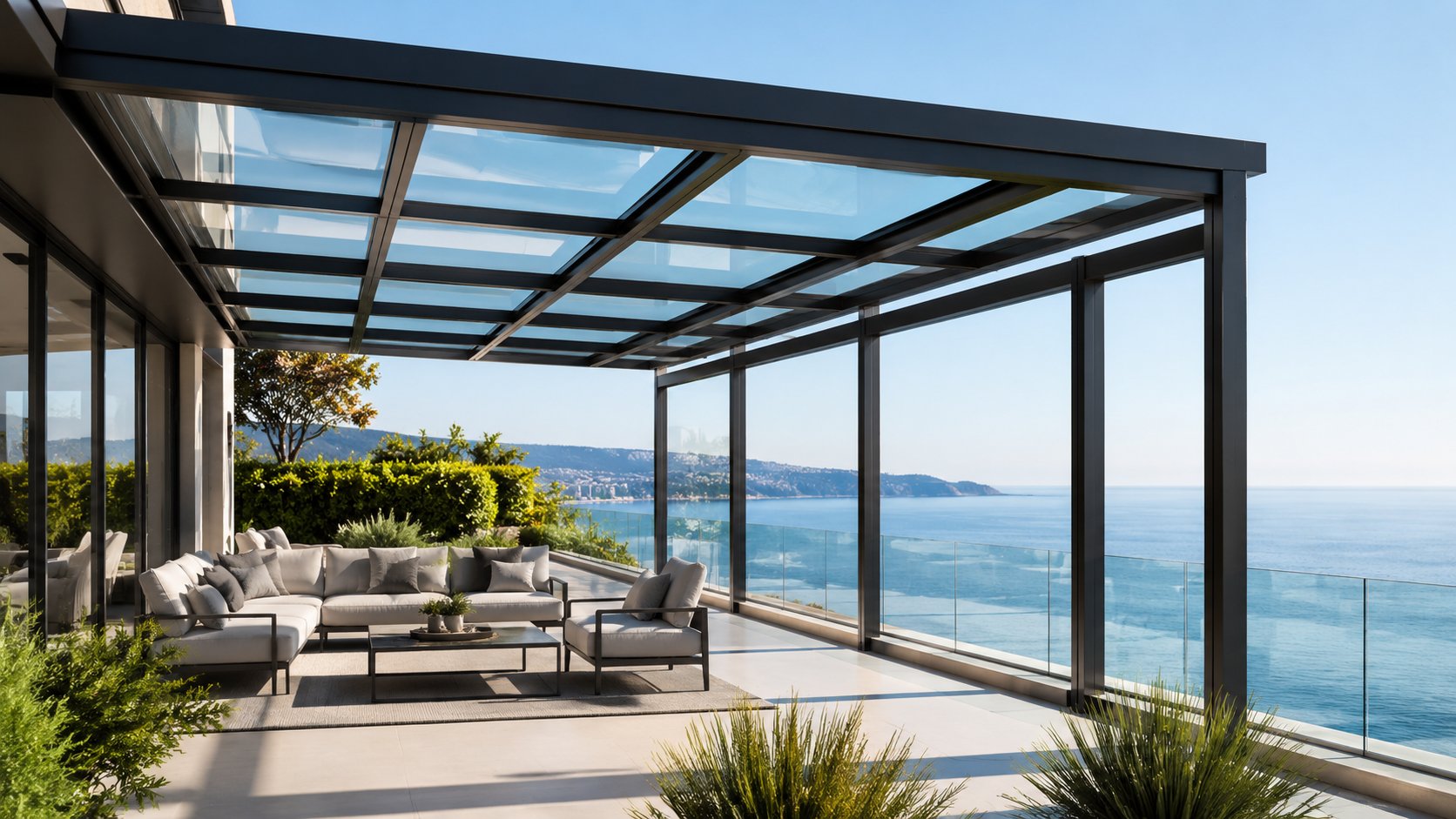
UV Protected Glass for Facades and Pergolas
UV protected glass plays an increasingly important role in modern facades, pergolas and glazed outdoor living areas. Large glass surfaces create bright, open spaces, but they can also expose furniture, flooring, textiles and decorative finishes to prolonged ultraviolet radiation.
Choosing the right glass is not simply a matter of finding the highest UV protection percentage. Safety, solar heat gain, daylight transmission, structural requirements and compatibility with the surrounding aluminium system must all be considered together.
At TGP Systems, we believe the best results come from evaluating the glass as part of the complete architectural system. In this guide, we explain how UV-filtering glazing works, compare the main glass options and examine the different requirements of facade and pergola applications.
What Is UV Protected Glass?
UV protected glass is architectural glazing designed to reduce the amount of ultraviolet radiation passing through a glazed surface. The protection may be provided by the composition of the glass, a laminated interlayer, a specialist coating, a window film or a combination of these elements.
It is worth clarifying one point from the beginning: UV protected glass is not one universal product. Two glass panels that look almost identical may provide very different performance because of differences in their coatings, interlayers and overall build-up.
How UV Filtering Works in Architectural Glazing
Ultraviolet radiation is generally divided into UV-A and UV-B wavelengths. Standard glass can filter certain parts of the ultraviolet spectrum, but it may still allow a proportion of UV-A radiation to enter a building.
UV-filtering glazing reduces this transmission by absorbing or reflecting targeted wavelengths. In laminated glass, much of the filtering performance can come from the interlayer positioned between the glass sheets. Specialist coatings and films may also be used to improve the result.
The visible appearance of the glass does not tell the full story. A clear panel may offer strong UV filtration, while a darker panel may primarily be designed for glare or solar control. This is why technical data should always be reviewed before a product is specified.
UV Protected Glass vs Standard Clear Glass
Standard clear glass is widely used because it provides good daylight and a neutral appearance. However, it may not deliver the level of UV protection needed for retail displays, hotels, premium interiors or sun-exposed outdoor enclosures.
UV protected glass can reduce exposure without necessarily making the space noticeably darker. Depending on the configuration, it may also provide safety, acoustic or thermal benefits. These additional properties, however, should never be assumed. They must be confirmed separately.
Why UV Protection Matters for Facades and Pergolas
Sunlight is essential to the appeal of glazed architecture. It creates visual connection, makes spaces feel larger and allows interiors to benefit from natural light. Yet the same exposure can gradually affect materials placed close to the glass.
Protecting Furniture, Flooring and Interior Finishes
Ultraviolet radiation contributes to the fading and degradation of many materials, including fabrics, timber finishes, plastics, artwork and printed products. The effects may be especially noticeable in hotel lobbies, restaurants, showrooms and residential spaces with large glazed elevations.
Pergola furniture can face similar conditions. Cushions, rugs and timber flooring positioned beneath a glass roof may receive hours of direct sunlight each day. UV-filtering glass can reduce part of this exposure and help materials retain their appearance for longer.
It would be misleading to say that UV protection completely prevents fading. Visible light, heat, humidity, material quality and total exposure time also influence deterioration. In our view, UV filtering should be treated as an important protective measure rather than an absolute guarantee.
Balancing Daylight and Visual Comfort
Clients often want strong UV protection without losing the transparency that made them choose glass in the first place. Fortunately, a high level of UV filtration does not always require heavily tinted glazing.
Clear laminated options may preserve natural daylight and exterior views, while tinted or coated alternatives can also address glare and excessive brightness. The right solution depends on the facade orientation, local climate and intended use of the space.
Supporting Long-Term Building Performance
Protecting interior materials can reduce the frequency of replacement, refurbishment and decorative maintenance. For commercial properties, this may help preserve the appearance of high-value interiors and retail products.
UV protection is only one part of long-term performance. A successful specification should also consider condensation, thermal insulation, solar heat gain, water drainage, gasket durability and the movement of the framing system.
Types of UV Protected Glass
Several glass technologies can be used to reduce ultraviolet transmission. Each has different strengths, limitations and suitable applications.
Laminated Glass with UV-Filtering Interlayers
Laminated glass consists of two or more glass sheets bonded together with an interlayer. Common interlayer materials include PVB, EVA and ionoplast products.
The interlayer can filter ultraviolet radiation while also retaining broken glass fragments after impact. This makes laminated glass particularly valuable where safety and post-breakage behaviour are important, including roof glazing, facades, canopies and pergolas.
Not every laminated product delivers identical UV performance. The interlayer type, thickness and formulation matter. The stated percentage should therefore be checked together with the wavelength range covered by the test.
Coated and Solar Control Glass
Solar control coatings are primarily used to manage solar energy, glare and heat gain. They can be highly useful on sun-exposed facades and glazed roofs, although their UV transmission should still be assessed as a separate performance value.
The coating position within an insulated glass unit can affect durability and performance. Colour, reflectance and compatibility with sealants must also be considered during specification.
Glass selection should be coordinated with the frames, drainage details, gaskets and movement tolerances of the chosen aluminum glazing systems. Looking at the glass panel in isolation can lead to avoidable installation and performance problems.
Low-E Glass
Low-emissivity glass is designed mainly to improve thermal performance by reducing heat transfer through the glazing. It is commonly used within insulated glass units for facades, windows and enclosed outdoor spaces.
Low-E and UV protection are related only in the sense that both can form part of a high-performance glazing package. A Low-E coating does not automatically confirm a particular level of UV filtration. U-value, solar factor and UV transmission should be checked independently.
Tinted and Reflective Glass
Tinted glass can reduce brightness, change the appearance of a facade and help manage solar gain. Reflective coatings may provide additional control while creating a more distinctive exterior finish.
However, darker glass is not automatically better at filtering ultraviolet radiation. The product data remains more reliable than appearance. Designers should also consider colour consistency, internal light levels and potential thermal stress.
UV Window Films for Existing Glazing
UV-control films can be applied to existing glass where complete replacement would be disruptive or uneconomical. They may be practical for shopfronts, offices, homes and hospitality spaces that need improved protection after installation.
Film suitability depends on the original glass type, existing coatings and exposure conditions. Exterior durability, edge adhesion, thermal stress and manufacturer warranties should be reviewed. A film should not be treated as a substitute for safety glass where laminated or tempered glazing is structurally required.
UV Protected Glass for Facades
Facade glazing is exposed to wind, temperature variation, direct sunlight and long service cycles. UV protection is valuable, but it forms only one part of a much broader performance specification.
Curtain Walls and Commercial Facades
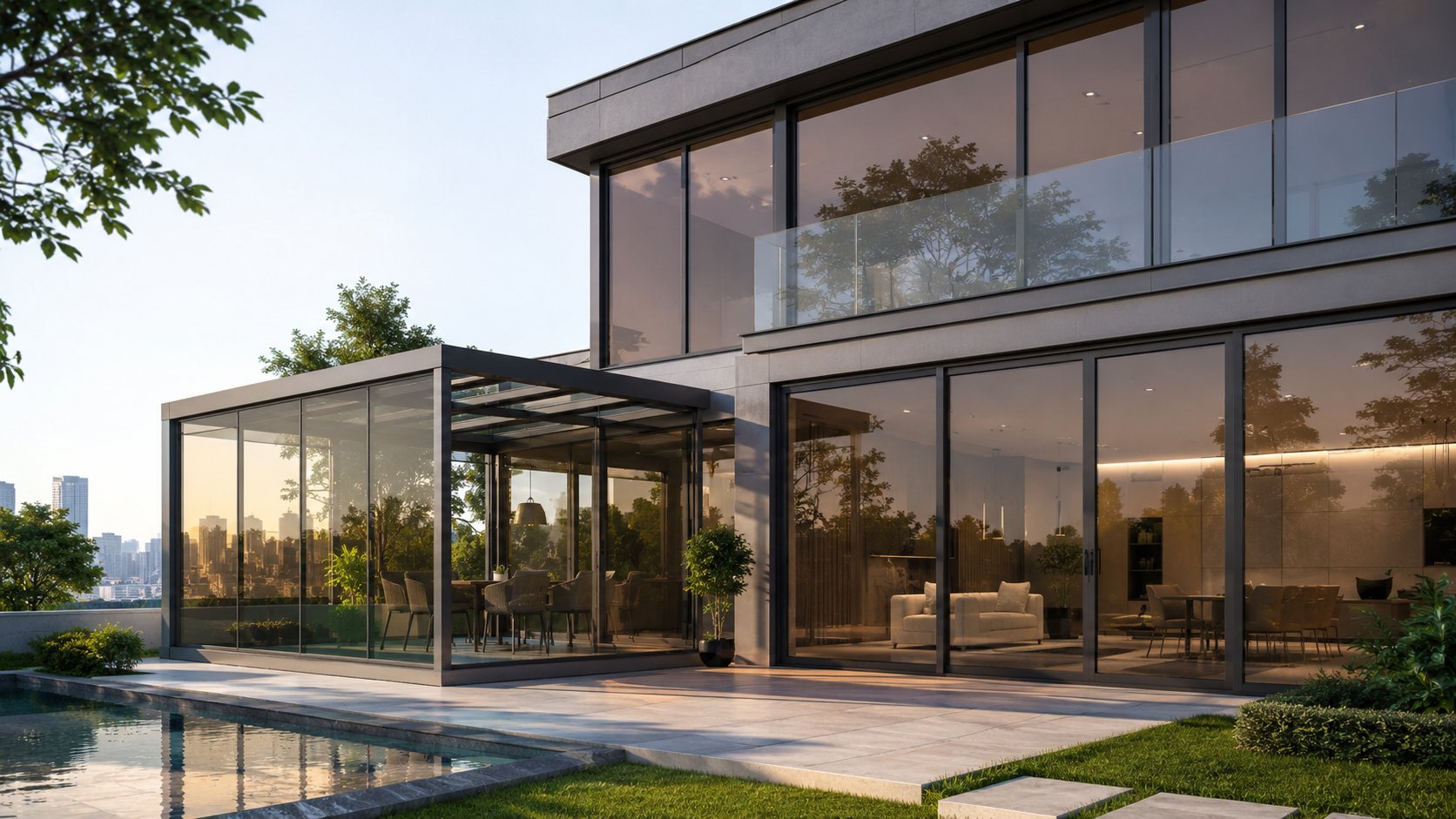
UV-filtering glass can be used in curtain walls, storefronts, hotel facades, office buildings, atriums and residential towers. The appropriate configuration will depend on panel size, support conditions and the use of the building.
A retail display facade may prioritise clear visibility and product protection. A west-facing hotel elevation may require stronger solar control to limit afternoon heat and glare. The visual goals are similar, yet the glass build-ups may be very different.
Facade specifications should consider:
- UV transmission and tested wavelength range
- Visible light transmission
- Solar heat gain or g-value
- Thermal insulation and U-value
- Wind-load resistance
- Safety classification
- External reflection and colour consistency
- Insulated glass unit construction
- Sealant, spacer and frame compatibility
Coordinating Glass with the Facade System
A facade is a composition of glass, profiles, joints, cladding surfaces and structural connections. Even a technically impressive glass panel can look disappointing if its colour, reflection or edge details conflict with the surrounding materials.
When glazing is used alongside aluminium facade cladding systems, designers should review panel alignment, finishes, joint widths and reflectance as part of one coordinated elevation.
This integrated approach can improve both visual consistency and construction efficiency. It also makes it easier to identify potential compatibility issues before production begins.
Orientation, Climate and Building Use
South-, east- and west-facing facades may experience very different patterns of solar exposure. Climate also changes the priorities. In a hot region, solar control may be as important as UV filtration. In a cooler climate, daylight and insulation may carry more weight.
Building use matters just as much. Museums, galleries and showrooms may contain light-sensitive objects, while offices may focus more heavily on glare and occupant comfort. There is no single specification that suits every elevation.
UV Protected Glass for Pergolas
Pergola glazing creates bright, weather-protected outdoor areas for homes, hotels, restaurants and commercial venues. The system may include a glass roof, fixed side panels, sliding glass sections or a combination of these components.
Glass Roofs and Overhead Safety Glazing
Roof glass must be selected more carefully than ordinary vertical glazing. It may be exposed to wind, snow, maintenance loads, water accumulation and the consequences of breakage above an occupied area.
Laminated safety glass is frequently considered because the interlayer can retain fragments after breakage. Tempered laminated configurations may also be evaluated where greater mechanical resistance is required.
No universal glass thickness should be recommended without calculations. Panel dimensions, support spacing, local loads, glass build-up and building regulations all influence the final choice. A structural engineer or qualified system provider should confirm the specification.
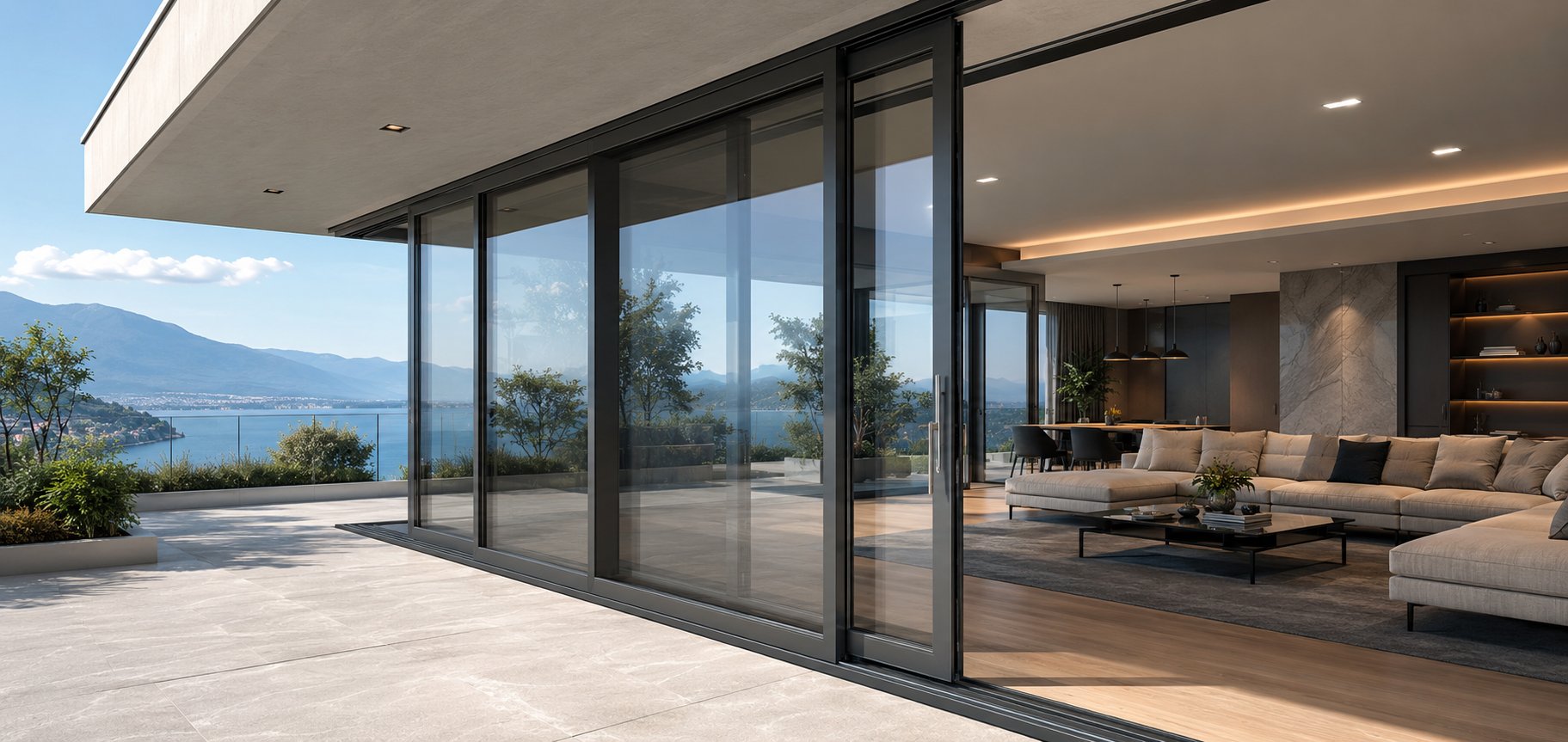
Side Enclosures and Sliding Glass Panels
Sliding glass panels can protect a pergola from wind and rain while allowing the area to open during suitable weather. UV-filtering glass may also reduce exposure to furniture and interior finishes when the sides remain closed.
Panel weight, hardware capacity, drainage and movement tolerances must be considered. Adding thicker or laminated glass can increase system weight significantly, which may affect rollers, tracks and operating comfort.
Combining Glazing with Bioclimatic Pergola Systems
Glazed side panels can be combined with retractable bioclimatic pergola systems when a project requires weather protection together with adjustable daylight and ventilation.
This combination gives users more control than a completely fixed enclosure. The roof can respond to sunlight and weather conditions, while the glass sides create shelter without removing the visual connection to the surrounding landscape.
TGP Systems brings multiple enclosure and movement solutions together within one product portfolio. This can make it easier for architects and contractors to coordinate glazing, aluminium profiles and opening mechanisms around the same project requirements.
Heat, Glare and Seasonal Comfort
A glass panel may filter ultraviolet radiation while still allowing significant solar heat to pass through. This distinction is especially important in roof glazing, where direct sun can quickly raise temperatures beneath the pergola.
For warmer climates, UV filtration may need to be combined with solar control glass, ventilation, external shading or an adjustable roof. Honestly, this is one of the most common specification mistakes we see: a product is selected for UV performance, then expected to solve every sunlight-related issue.
UV Protection vs Solar Control vs Low-E Glass
The following table summarises the primary role of common glazing options. Actual performance depends on the specific product and complete glass configuration.
| Glass Type | Primary Purpose | UV Protection | Heat Control | Thermal Insulation | Typical Uses |
|---|---|---|---|---|---|
| UV-filtering laminated glass | Reduce UV transmission and improve safety | Product-dependent | Limited unless combined | Configuration-dependent | Facades, roofs, pergolas and storefronts |
| Solar control glass | Reduce solar gain and glare | Product-dependent | Medium to high | Configuration-dependent | Sun-exposed facades and glazed roofs |
| Low-E glass | Reduce heat transfer | Product-dependent | Depends on coating | High within suitable insulated units | Windows, facades and enclosed spaces |
| Tinted glass | Control brightness and appearance | Product-dependent | Moderate | Limited when used alone | Facades, pergolas and privacy applications |
| UV-control film | Improve existing glazing | Product-dependent | Product-dependent | Limited | Retrofit projects |
Can One Glass Configuration Deliver Multiple Benefits?
Yes. A laminated insulated glass unit can combine safety, UV filtration, solar control, acoustic performance and thermal insulation. A single build-up may therefore answer several project requirements at once.
The trade-off is complexity. Additional layers and coatings can affect weight, colour, reflectance, cost, production time and frame compatibility. A technically advanced specification is only successful when the surrounding system can support it.
How to Choose the Right UV Protected Glass
Performance Values to Request
Ask the glass or system supplier for clear technical information rather than relying on a general “UV protection” label.
- UV transmission percentage
- Tested wavelength range
- Visible light transmission
- Solar transmittance and reflectance
- SHGC or g-value
- U-value
- Safety classification
- Interlayer type
- Complete glass build-up
- External reflectance
- Acoustic performance where relevant
- Product and installation warranty conditions
A statement such as “blocks almost all UV” is not sufficient on its own. You need to know which wavelengths were tested and whether the stated performance applies to the complete panel being supplied.
Safety and Structural Requirements
UV performance must never replace safety assessment. Tempered, heat-strengthened, laminated and tempered laminated glass have different breakage characteristics and suitable applications.
Overhead panels, full-height facades and sliding doors may be subject to different regulations. Wind load, snow load, impact risk, support conditions and post-breakage retention should be checked for the specific project location.
Frame and System Compatibility
Heavier glass may require stronger profiles, larger rollers or different fixing arrangements. The selected build-up must fit the glazing pocket and remain compatible with setting blocks, gaskets, sealants and drainage channels.
Movement also matters. Aluminium expands and contracts with temperature changes, while large sliding panels place repeated loads on the hardware. These details may sound minor during design, but they become very noticeable after installation.
Maintenance and Installation
Coated surfaces must be installed in the correct position and cleaned with suitable products. Abrasive tools can damage exposed films or coatings, while poor edge protection can shorten the life of laminated glass.
Drainage openings, gaskets and sealant joints should be inspected periodically. In pergolas, leaves and debris can block water channels, creating standing water around glass edges and framing components.
Common Mistakes When Specifying UV Protected Glass
- Assuming tempered glass automatically provides high UV protection.
- Confusing UV filtration with solar heat control.
- Comparing percentages without checking the tested wavelength range.
- Choosing glass by colour rather than technical data.
- Using a vertical facade specification for overhead pergola glazing.
- Ignoring the added weight of laminated glass in sliding systems.
- Failing to review frame, gasket and sealant compatibility.
- Expecting UV protection to prevent every form of fading.
- Overlooking glare and visible light transmission.
- Recommending one glass thickness for every project.
- Ignoring local wind, snow and impact requirements.
- Choosing a product before defining the real performance priorities.
Why Choose TGP Systems for Facade and Pergola Projects?
UV-conscious glazing works best when the glass, aluminium structure and moving components are evaluated together. TGP Systems supports this integrated approach through a broad portfolio covering facade solutions, pergolas, winter gardens, patio enclosures and architectural glazing systems.
Rather than treating glass as an isolated material, the project can be assessed in terms of panel weight, opening style, drainage, profile compatibility, daylight, safety and visual expectations. This is particularly valuable for customised projects where standard details may not be enough.
TGP Systems also offers a practical balance between quality, design flexibility and competitive price-performance. For architects, contractors and distributors, having multiple compatible product groups available through the same solution partner can simplify technical coordination and purchasing decisions.
Of course, every project still requires its own assessment. The real advantage lies in receiving guidance towards a system configuration that fits the application rather than being offered a one-size-fits-all product.
Frequently Asked Questions About UV Protected Glass
Does tempered glass block UV rays?
Tempered glass can reduce some ultraviolet transmission, but tempering is primarily a heat-treatment process used to increase mechanical strength and change the way glass breaks. It should not be treated as a dedicated UV-protection technology. If UV performance is important, check the product’s technical data and consider laminated interlayers, coatings or specialist films. Tempering and UV filtration can be combined within the same glass configuration when the project requires both safety and light protection.
Is laminated glass UV protected?
Many laminated glass products provide strong UV filtration because the interlayer absorbs a substantial part of the ultraviolet spectrum. However, performance varies between PVB, EVA and ionoplast products, as well as between standard and specialist formulations. The supplier should confirm the tested UV transmission and wavelength range. Laminated glass also offers a safety benefit by retaining fragments after breakage, which makes it particularly relevant for overhead, full-height and impact-sensitive applications.
Does UV protected glass reduce heat?
Not necessarily. Ultraviolet radiation represents only part of the solar energy reaching a glazed surface. A glass product may provide excellent UV filtration while still allowing considerable visible and infrared energy to enter. For heat control, review the glass’s solar factor, g-value or SHGC. In hot climates and glazed roof applications, UV protection often needs to be combined with solar control coatings, ventilation, shading or an adjustable roof system.
What type of glass is best for a pergola roof?
There is no universal answer because pergola roof glazing depends on panel size, support spacing, wind load, snow load, maintenance access and local regulations. Laminated safety glass is commonly evaluated because it can retain broken fragments. Tempered laminated configurations may be considered where additional strength is needed. The final thickness and build-up should be determined through project-specific calculations rather than selected from a general rule or standard product list.
Can UV protected glass prevent furniture from fading?
UV protected glass can reduce one of the main contributors to fading and material degradation. It may help furniture, flooring, textiles and decorative finishes retain their appearance for longer. It cannot guarantee that fading will never occur. Visible light, heat, humidity, material quality and total exposure time also influence colour change. For highly sensitive interiors, UV-filtering glass should be combined with appropriate shading, interior layout and material selection.
Can UV film be applied to an existing glass facade?
UV-control film can often be applied to existing facade glass, making it a useful retrofit option for shops, offices, homes and hospitality properties. Compatibility must be checked first. Certain films can increase thermal stress, particularly on tinted, coated or partially shaded glass. Exterior durability, edge conditions and warranty terms also vary. A professional assessment is advisable before installation, especially when the existing glass type or coating position is unknown.
Is Low-E glass the same as UV blocking glass?
No. Low-E glass is mainly designed to reduce heat transfer by using a low-emissivity coating. It can improve the thermal performance of an insulated glass unit, but this does not automatically define its UV filtration level. Some Low-E configurations may reduce UV transmission, while others may require an additional laminated interlayer for stronger protection. Always compare U-value, solar performance and UV transmission as separate technical characteristics.
How long does UV protection last?
The service life depends on how the UV protection is created. A laminated interlayer sealed between glass sheets can provide long-term performance when the edges are properly protected. Factory-applied coatings may also remain effective for many years when installed in the correct surface position. Applied films usually have a more limited warranty and may eventually require replacement. Climate, installation quality, cleaning methods and exposure conditions all influence durability.
Does darker glass provide better UV protection?
Not always. Darker glass may reduce visible light and glare, but its colour does not prove that it filters more ultraviolet radiation. Some clear laminated products can provide stronger UV protection than tinted glass. Dark glazing may also change interior brightness, facade appearance and thermal behaviour. The better approach is to review the declared UV transmission, visible light transmission and solar performance instead of choosing a product by appearance alone.
Can UV protected glass be used in sliding systems?
Yes, provided the complete glass build-up is compatible with the sliding system. Laminated or insulated UV-filtering glass can be heavier than standard monolithic glass, so roller capacity, track strength, panel dimensions and operating force must be checked. The frame must also provide sufficient glazing depth and edge support. For large sliding panels, system engineering is just as important as the UV performance of the glass itself.
Is UV protected glass suitable for coastal projects?
UV protected glass can be used in coastal environments, but the complete system requires additional attention. Salt, moisture and wind can affect aluminium finishes, hardware, gaskets, drainage and exposed fixing components. Marine-grade finishes and corrosion-resistant accessories may be needed depending on the location. Glass edges and laminated interlayers should also be protected from prolonged moisture exposure. A coastal specification should address the entire enclosure rather than the glass alone.
What information should be provided when requesting a quotation?
Share the project location, application type, approximate dimensions and whether the glass will be vertical, overhead, fixed or movable. It is also useful to state your priorities, such as UV protection, solar control, thermal insulation, safety, transparency or privacy. Include information about wind and snow conditions where available. Clear project data helps the supplier recommend a more appropriate glass build-up and compatible aluminium system.
Plan Your Facade or Pergola Glazing with TGP Systems
Choosing UV protected glass involves more than selecting a panel with an attractive percentage on a data sheet. The right configuration must balance ultraviolet filtration, safety, daylight, solar heat control, structural performance and compatibility with the surrounding system.
Facade and pergola applications should also be assessed differently. Vertical glazing, overhead roof panels and movable side enclosures each create their own engineering and operating requirements.
Planning a facade, pergola or glazed enclosure? Share your project dimensions, location, glass application and performance priorities with TGP Systems. Our team can help you evaluate a compatible glazing and aluminium system configuration for your architectural requirements.
Have you used UV protected glass in a recent project? Share your experience or questions and help other readers make better-informed glazing decisions.


Leave a Reply
You must be logged in to post a comment.