
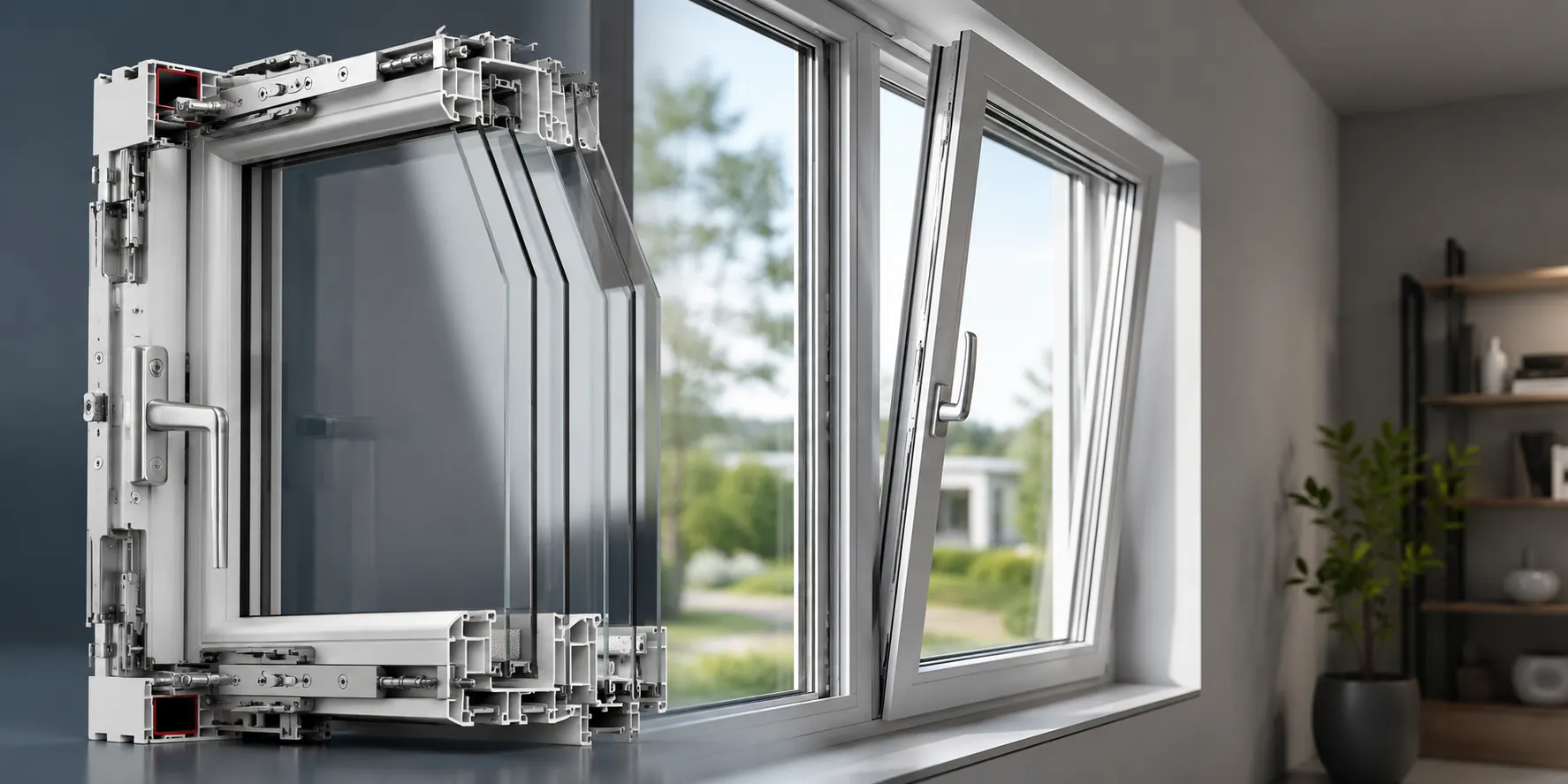
Tilt Turn Hardware Benefits
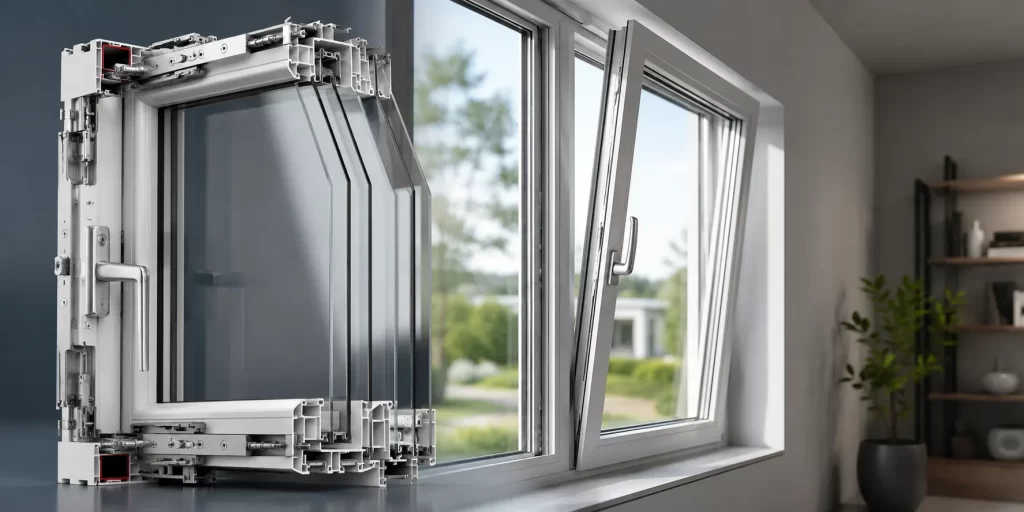
A window is never just glass and profile. The way it opens, locks, seals and stays stable over the years depends heavily on the hardware inside the system. That is why understanding tilt turn hardware benefits matters for architects, contractors, manufacturers, project developers and property owners who want more than a basic opening solution.
Tilt turn hardware is one of the most important functional parts of a modern window system. It allows the window to open in two different ways: tilt position for ventilation and turn position for full opening. This small-looking mechanism makes a surprisingly big difference in comfort, safety, insulation and long-term usability.
For residential, commercial, hospitality and architectural projects, choosing the right hardware directly affects comfort, safety and long-term performance. In our view, this is where many window decisions are won or lost. A good profile may look elegant, but if the hardware feels stiff, weak or unreliable, the whole user experience suffers.
Introduction: Why Tilt Turn Hardware Matters
Modern buildings demand windows that do more than open and close. They need to support secure ventilation, thermal comfort, acoustic control, daily convenience and reliable locking. Tilt and turn window hardware answers these expectations with a practical two-function design.
The system is especially valuable in projects where space, safety and performance are equally important. Think of a hotel room on an upper floor, a compact apartment, a family home, a school classroom or a busy office. In each case, the window must be easy to use, safe to manage and durable enough for repeated operation.
Good hardware also protects the investment made in the rest of the window. Even the best glazing or frame system cannot perform at its full potential if the sash does not close tightly, if the locking points are weak or if the handle becomes difficult to operate after a short period of use.
What Is Tilt Turn Hardware?
Tilt turn hardware is the group of mechanical components that allows a window sash to work in two opening modes. With one handle, the user can either tilt the sash inward from the top for controlled ventilation or turn it inward like a side-hung window for full access.
This system is widely used in European type window designs and has become popular in many residential and commercial projects because it combines practicality with stronger control. Instead of choosing between ventilation and wide opening, the user gets both in one window system.
How Tilt and Turn Windows Work
In the tilt position, the upper part of the sash opens slightly inward while the lower part remains supported. This creates a controlled gap for fresh air. It is useful when you want ventilation without leaving the window fully open.
In the turn position, the sash opens inward from the side. This gives full access for cleaning, emergency ventilation or easier movement of air. The change between these two modes is usually managed by the window handle.
The beauty of the tilt and turn mechanism is its simplicity from the user’s perspective. One handle controls a more complex internal system. You do not need separate locks, extra latches or complicated movements. A properly installed system should feel smooth, balanced and intuitive.
Main Components of Tilt Turn Hardware
A tilt turn window system includes several window hardware components that work together. The handle is the visible control point, but the real performance comes from the parts hidden around the sash and frame.
- Window handle: Controls the opening modes and locking movement.
- Corner transmission: Transfers movement around the sash corners.
- Locking points: Help secure the sash at multiple positions.
- Hinges: Carry the sash and support smooth movement.
- Tilt mechanism: Allows the sash to open safely from the top.
- Stay arm or scissor stay: Controls the tilt movement and supports stability.
- Strikers or keepers: Receive the locking elements on the frame side.
- Espagnolette locking system: Coordinates locking along the sash.
- Sash support components: Help carry the window weight and reduce misalignment risk.
These components may look technical, but their purpose is clear: to make the window open, close, lock and seal correctly. When they are well matched to the window profile and sash size, the result is a much more reliable system.
Key Tilt Turn Hardware Benefits
The main reason this mechanism is preferred in modern window systems is that it solves several needs at once. It improves ventilation, supports security, helps insulation and makes daily use more comfortable.
Secure Ventilation Without Fully Opening the Window
One of the most appreciated advantages is secure ventilation. In the tilt position, the window allows fresh air to enter while the sash remains partially closed and controlled. This is especially useful in apartments, hotels, schools, offices and high-rise buildings.
A fully open window can create concerns about rain, wind, children, pets or unauthorized access. A tilted window feels more controlled. You can refresh the room without creating the same level of exposure as a wide-open sash.
This matters in daily life. In a hotel room, guests may want air circulation without compromising their sense of safety. In an office, staff may want fresh air during working hours without leaving windows swinging open. In a family home, parents often prefer a more controlled ventilation option.
Improved Safety and Multi-Point Locking
Tilt and turn systems often work with a multi-point locking system. Instead of relying on one locking area, the sash can be secured from several points around the frame. This creates a tighter and more stable closure.
Compared with a basic side-hung window, this can support better resistance against forced movement. The sash sits more evenly in the frame, and the locking components help distribute pressure across different points.
Good hardware also supports the sash over time. Poorly balanced windows may sag, scrape or become difficult to close. Strong hinges, reliable locking points and suitable sash support components reduce that risk, especially in larger or frequently used windows.
Better Energy Efficiency and Insulation
Energy-efficient windows depend on more than glass specifications. The sash must close tightly against the frame, and the gaskets must be compressed properly. This is where high-quality window hardware makes a real contribution.
When the hardware pulls the sash evenly into the frame, air leakage is reduced. Better sealing can support thermal insulation and help the window perform closer to its intended level. It can also contribute to acoustic comfort, because gaps and weak closing pressure often allow more outside noise to enter.
Of course, hardware alone does not create insulation. The profile, glazing, gaskets and installation quality are all important. Still, if the locking mechanism is weak or poorly adjusted, the whole insulation strategy becomes less effective.
User Comfort and Easy Operation
A good window should not make the user think too much. The handle should move smoothly, the sash should respond naturally and the opening modes should feel predictable. This is one of the clearest tilt turn hardware benefits in everyday use.
With one handle, the user can choose between gentle ventilation and full opening. This is practical for elderly users, families, hotel guests, office workers and anyone who wants simple control without unnecessary effort.
There is also a quality feeling here. A window that closes with a balanced, quiet movement gives confidence. A stiff handle or noisy mechanism does the opposite. We often see that users may not know the technical name of the hardware, but they immediately notice whether it feels solid or cheap.
Long-Term Durability for High-Traffic Projects
Hotels, residences, offices and commercial buildings put window systems under repeated use. Windows are opened and closed by different people, sometimes without much care. In these projects, long-lasting window hardware is not a luxury; it is a practical requirement.
Quality fittings can reduce common problems such as handle failure, sash dropping, difficult closing and frequent adjustment needs. This lowers maintenance pressure and helps protect the long-term value of the project.
For developers and building managers, durability also affects operating costs. A cheaper hardware choice may look attractive during procurement, but if it creates service calls, complaints and replacements, the real cost becomes higher over time.
Why Hardware Quality Matters in Tilt and Turn Windows
Hardware quality is not only about how the window feels on the first day. It affects how the system performs after months and years of use. That is why professionals should evaluate the mechanism as carefully as they evaluate the profile or glass.
Common Problems Caused by Low-Quality Hardware
Low-quality hardware may create problems gradually. At first, the window may work acceptably. Then the handle becomes harder to move, the sash starts to sit unevenly, or the locking points no longer align properly.
| Problem | Possible Impact |
|---|---|
| Handle stiffness | Uncomfortable daily use and higher risk of handle damage |
| Sash misalignment | Difficult opening, scraping and poor closing performance |
| Air leakage | Reduced thermal comfort and weaker window insulation |
| Poor locking performance | Lower window security and weaker sash compression |
| Premature wear | More maintenance, adjustments and possible part replacement |
| Noise during operation | Lower perceived quality and less comfortable use |
These issues are not just technical inconveniences. They affect the way people experience the building. A window that does not close smoothly can become a daily frustration.
How Premium Hardware Protects the Whole Window System
Even the best window profile or glazing system cannot deliver its full performance if the hardware is weak, poorly adjusted or not suitable for the project. The mechanism is the bridge between design intention and real-life performance.
Premium hardware helps the sash stay stable, lock securely and press correctly against the gasket line. It supports smoother operation and helps reduce unnecessary stress on the frame and moving parts.
In other words, hardware is not a small accessory. It is a performance component. For professionals, treating it this way leads to better project outcomes.
Tilt Turn Hardware for PVC Window Systems
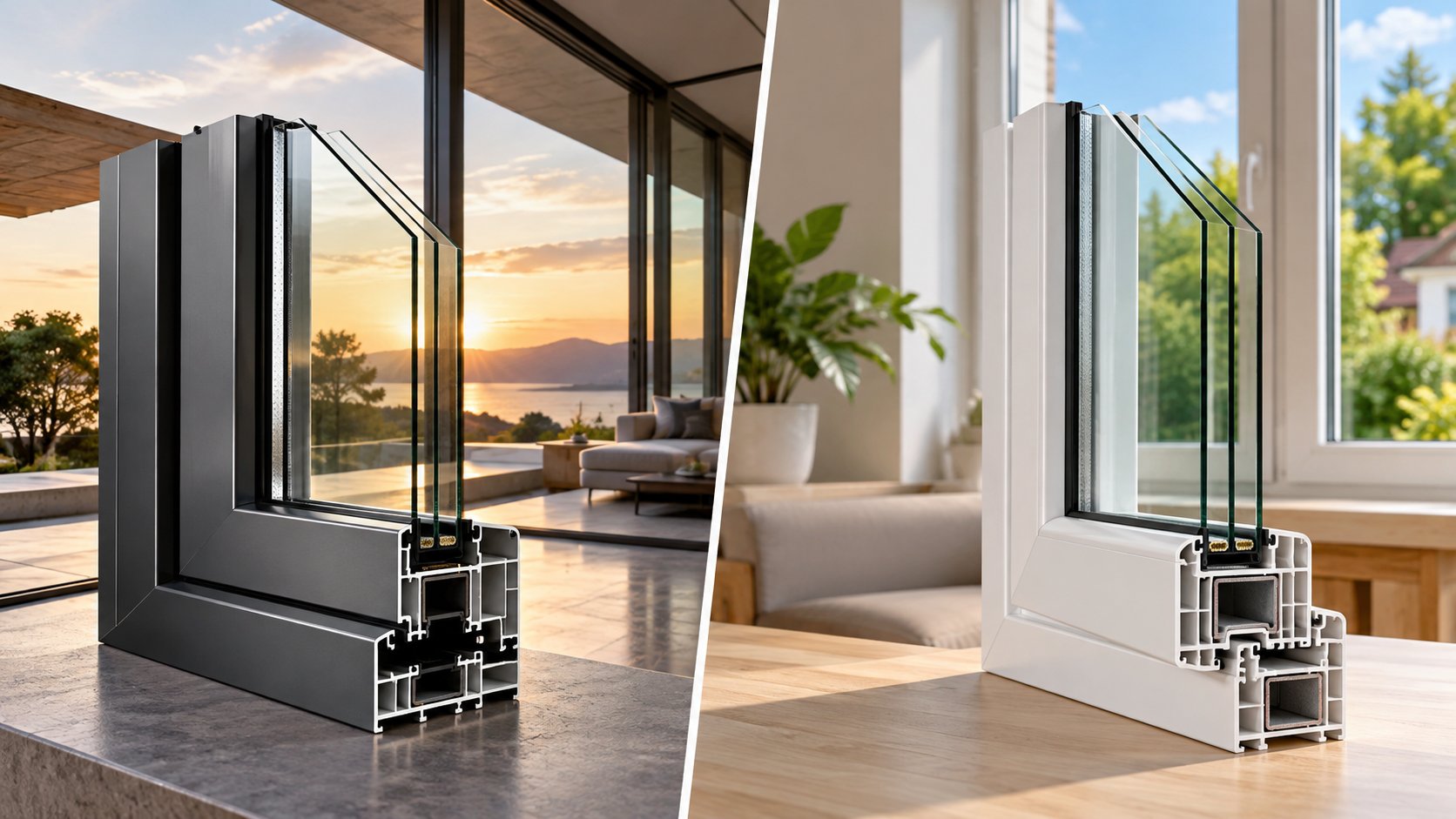
PVC window systems are widely used because they can offer strong insulation, practical maintenance and good price-performance value. However, the performance of a PVC window still depends on the quality and compatibility of its fittings.
For projects based on PVC profiles, choosing reliable PVC window and door hardware systems helps improve daily operation, locking performance and long-term durability.
In PVC applications, the hardware should match the profile system, sash dimensions and expected usage intensity. A small residential window and a frequently used hotel room window may not require exactly the same hardware configuration.
TGP Systems provides practical product groups for PVC window and door projects where reliable operation, cost-effectiveness and long service life are important. For manufacturers, contractors and project buyers, this balance can make procurement easier without ignoring performance expectations.
Tilt Turn Hardware for Aluminium Window Systems
Aluminium window systems are often preferred in modern architectural projects because of their slim appearance, structural strength and clean detailing. In these systems, hardware selection becomes especially important when larger sash sizes, frequent use or design-focused expectations are involved.
In aluminium projects, high-quality aluminium window and door hardware solutions support stronger sash movement, cleaner architectural detailing and reliable long-term operation.
Aluminium systems may be used in villas, offices, hotels, commercial facades and premium residential projects. These spaces usually require hardware that feels solid, looks compatible with the design and performs consistently over time.
TGP Systems offers aluminium hardware solutions suitable for different project needs. The brand’s project-oriented approach is valuable for professionals who need dependable supply, durable components and a strong price-performance balance.
Where Are Tilt Turn Hardware Systems Used?
Tilt turn systems are suitable for many building types because they combine secure ventilation with full opening access. Their flexibility makes them useful in both private and public spaces.
Residential Buildings
In apartments, villas, private homes and renovation projects, tilt turn windows make everyday ventilation easier. They are especially useful in bedrooms, kitchens, living rooms and upper-floor spaces where safety and comfort matter together.
Commercial and Office Projects
Offices, business centers, retail spaces and mixed-use buildings benefit from controlled airflow and simple operation. Staff can ventilate rooms without leaving windows fully open during working hours.
Hotels and Hospitality Projects
Hotel rooms, serviced apartments, resorts and guest houses need window systems that are easy for different users to understand. Tilt mode offers fresh air with more control, while turn mode supports cleaning and full access when needed.
Schools, Hospitals and Public Buildings
In schools, hospitals and public buildings, controlled ventilation, safety, durability and easy maintenance are major advantages. A well-selected tilt turn mechanism can support these needs while keeping daily use straightforward.
How to Choose the Right Tilt Turn Hardware
Choosing the right hardware is not only about selecting a product from a catalogue. The decision should consider the window type, sash size, building use, security expectations and supply reliability.
Check Compatibility with the Window Profile
The hardware must be compatible with the profile system, whether PVC, aluminium or another material. Incorrect compatibility can create installation problems, weak operation or reduced long-term performance.
Consider Sash Size and Weight
Larger sashes need stronger hinges, reliable sash support and hardware that can carry the load safely. This is especially important in modern designs where bigger glass areas are common.
Look for Smooth Operation
The handle movement, locking feel and sash balance should be tested carefully. A smooth mechanism improves user satisfaction and reduces unnecessary stress on the components.
Evaluate Security Features
Multi-point locking, durable strikers and strong mechanical connections support better window security. For ground-floor areas, hotels, offices and public buildings, these details deserve extra attention.
Prioritize Reliable Supply and Technical Support
Hardware procurement is also about consistency. Professionals need products that are available, suitable for their project requirements and supported by a dependable supplier.
For professionals who need dependable hardware components, TGP Systems offers a strong balance of product quality, reliable supply and project-oriented support. The brand is not positioned only as a product provider, but as a practical solution partner for modern window and door projects.
TGP Systems: Reliable Hardware Solutions for Modern Projects
TGP Systems provides reliable hardware components designed for modern window and door projects. Its product range supports both PVC and aluminium system requirements, making it suitable for different project scales and technical expectations.
The brand stands out with its project-oriented product approach, reliable supply structure and professional-grade hardware solutions. This is important for manufacturers, contractors and project buyers who need consistency, not just a one-time purchase.
What we find valuable here is the balance. TGP Systems focuses on durable, functional and cost-effective solutions without relying on exaggerated promises. For many projects, that practical balance between quality, price and supply reliability is exactly what professionals need.
Conclusion: Why Tilt Turn Hardware Is Worth the Investment
Tilt turn hardware directly affects how a window performs in real life. It supports secure ventilation, stronger locking, better sealing, smoother operation and longer service life. These are not small details; they shape the comfort and reliability of the entire window system.
Quality hardware also helps protect the value of the project. It reduces complaints, supports insulation performance and makes the window easier to use every day. For residential, commercial and hospitality projects, the right choice can make a visible difference over time.
Whether you are planning a residential renovation, a hotel project or a large-scale commercial development, choosing the right tilt turn hardware can make a major difference in comfort, security and long-term performance. Explore TGP Systems’ hardware product groups to find reliable PVC and aluminium window-door hardware solutions for your next project.
Frequently Asked Questions About Tilt Turn Hardware
What is tilt turn hardware?
Tilt turn hardware is the mechanical system that allows a window to open in two ways: tilted inward from the top for ventilation or turned inward from the side for full opening.
What are the main tilt turn hardware benefits?
The main benefits include secure ventilation, improved locking, better sash compression, easier daily use, stronger insulation support and long-term durability.
Is tilt and turn window hardware suitable for PVC windows?
Yes. Tilt and turn hardware is widely used in PVC window systems, provided that the components are compatible with the profile, sash size and project requirements.
Can tilt turn hardware be used in aluminium windows?
Yes. Aluminium window hardware is commonly used in modern architectural projects, especially where clean design, strength and reliable operation are important.
Does tilt turn hardware improve window security?
It can improve security when combined with multi-point locking, strong strikers and quality hinges. The sash can be secured from several points instead of relying on one basic locking area.
Does this hardware help with energy efficiency?
Yes, indirectly. Good hardware helps the sash close tightly against the frame, which supports gasket performance, reduces air leakage and contributes to better window insulation.
Why does the window handle become stiff in some tilt turn systems?
A stiff handle may result from low-quality hardware, poor adjustment, sash misalignment, dirt in the mechanism or components that are not suitable for the sash weight.
Are tilt turn windows good for hotels?
Yes. Hotels benefit from secure ventilation, simple operation and controlled opening. Guests can ventilate the room without leaving the window fully open.
What should I check before choosing tilt turn hardware?
You should check profile compatibility, sash size, sash weight, locking performance, handle comfort, durability, supply reliability and technical support from the supplier.
Is tilt turn hardware more durable than standard window hardware?
High-quality tilt turn hardware can be very durable, especially when correctly matched to the window system and installed properly. Durability depends on component quality, adjustment and usage intensity.
Why is multi-point locking important in tilt and turn windows?
Multi-point locking helps the sash close more evenly and securely. It supports better sealing, improved security and a more stable window structure.
How often does tilt turn hardware need maintenance?
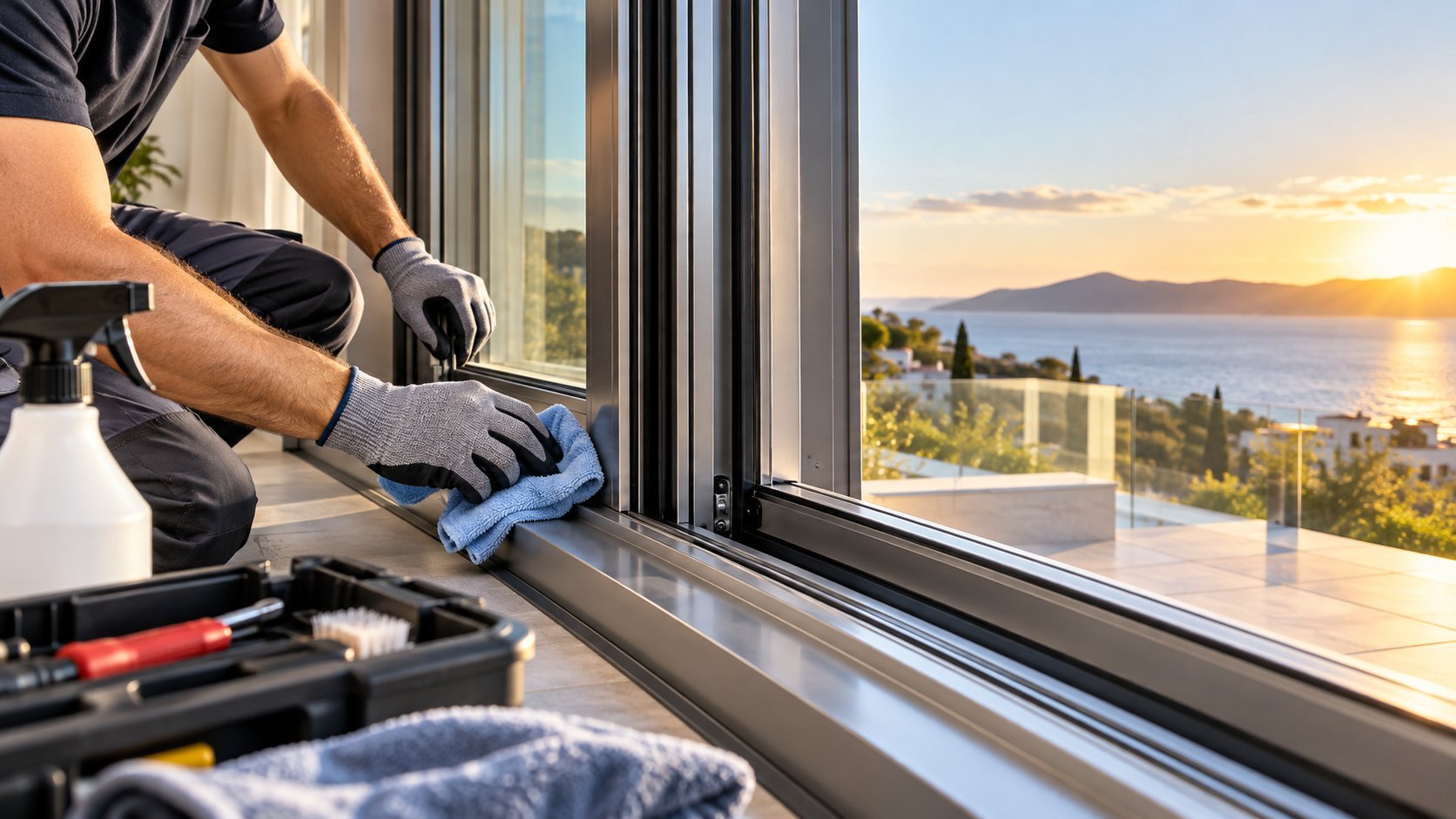
Maintenance needs vary by usage and environment. In general, periodic cleaning, lubrication and adjustment checks help keep the mechanism smooth and reliable for longer.



Leave a Reply
You must be logged in to post a comment.