
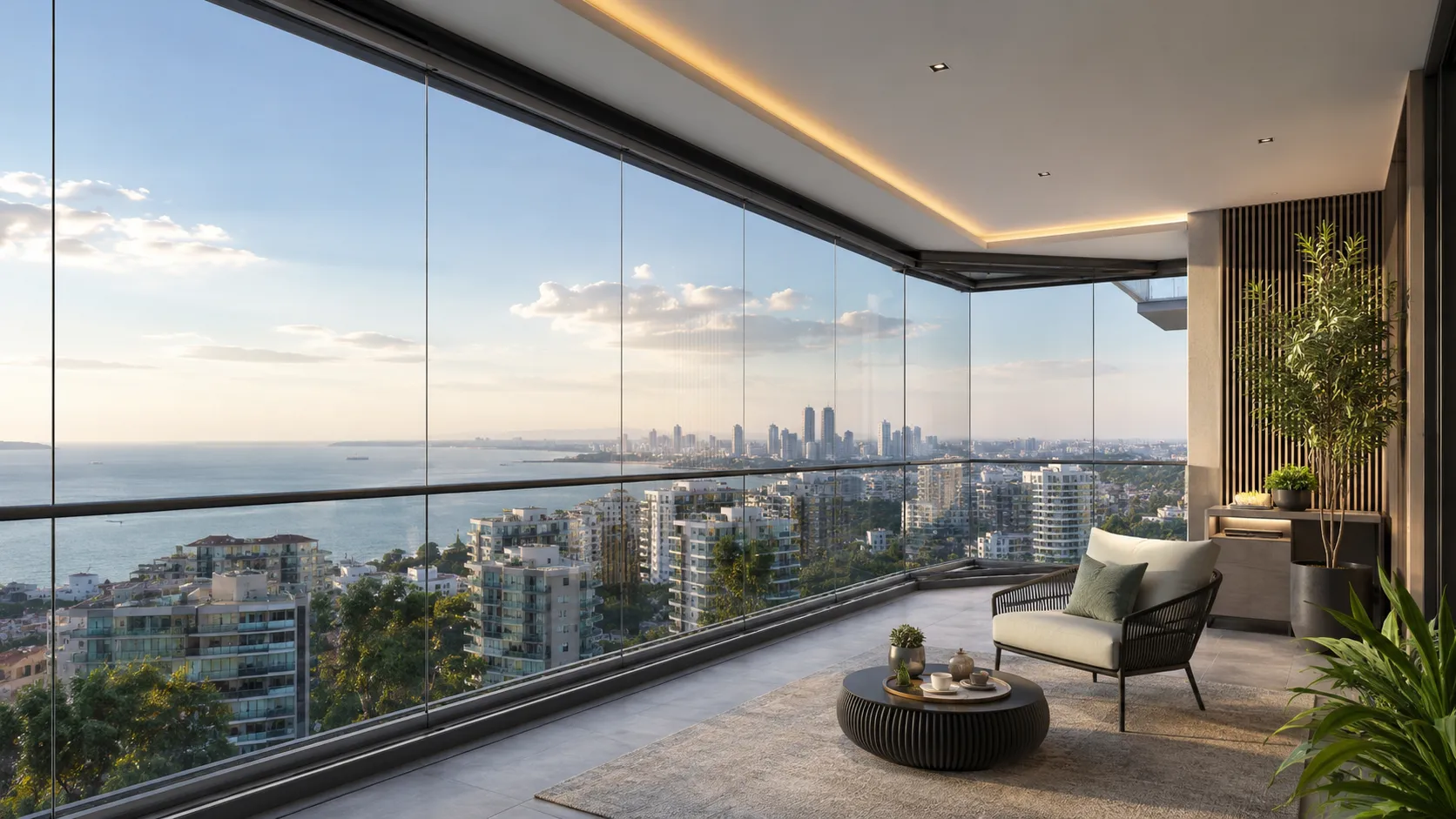
Balcony Glazing Systems: Design and Benefits
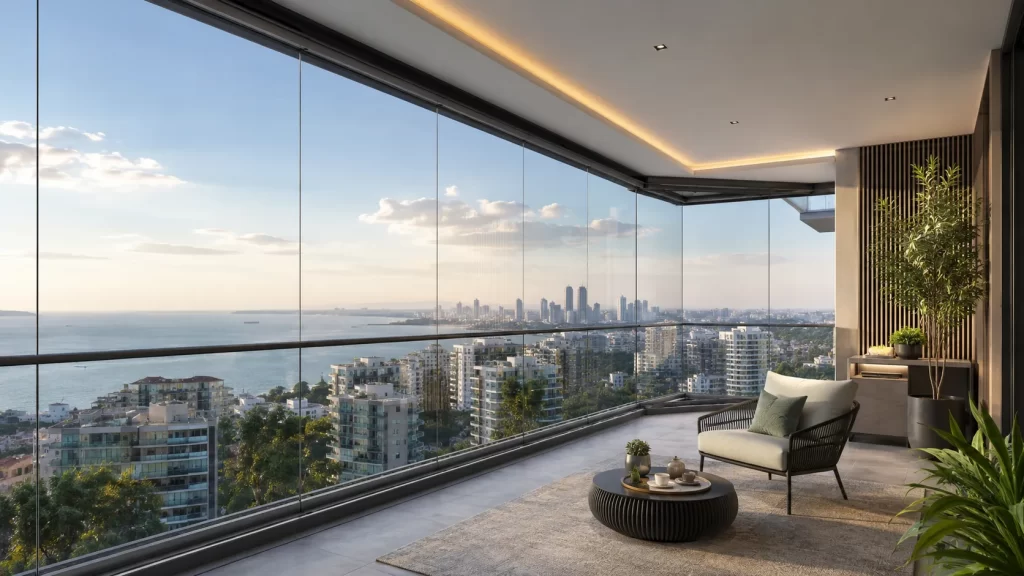
Balcony glazing systems are one of the most practical ways to turn an exposed balcony into a brighter, cleaner and more usable living area. Many balconies have real potential, yet they are often left unused because of wind, rain, dust, noise or uncomfortable seasonal changes. With the right glass and aluminum solution, that forgotten corner of the home can become a calm breakfast area, a reading spot, a compact winter lounge or simply a better-protected extension of daily life.
We believe the real value of balcony glazing is not only about closing an open space. It is about keeping the feeling of openness while adding comfort, safety and architectural refinement. A good system protects the balcony without making it feel heavy, dark or disconnected from the view outside.
What Are Balcony Glazing Systems?
Balcony glazing systems are architectural glass enclosure solutions designed to protect balconies while preserving natural light and visibility. They usually combine tempered glass panels, aluminum profiles, sliding or folding mechanisms, sealing details, drainage profiles and hardware components that allow the system to work smoothly in daily use.
Unlike a simple fixed glass barrier, a modern balcony glass system is designed around movement, ventilation and usability. Depending on the project, the panels may slide, fold, stack, retract or remain fixed in selected areas. For projects that require flexible glass configurations and year-round balcony comfort, TGP Systems’ balcony enclosure systems offer practical solutions for residential and commercial spaces.
How Glass and Aluminum Work Together in Balcony Design
Glass gives the balcony its transparency, lightness and connection with the outdoor view. Aluminum gives the system its structure, stability and long-term performance. When these two materials are engineered correctly, the result is a clean and durable enclosure that can handle daily opening, closing and exposure to changing weather conditions.
Tempered glass is commonly preferred because it provides better safety than standard glass. Powder coated aluminum profiles can be adapted to different architectural styles, from minimalist city apartments to sea-facing residences and hotel balconies. In our view, the small details matter here: slim frames, smooth rollers, strong locking points and well-planned sealing can change the entire user experience.
Why Balcony Glazing Is Different from a Standard Window System
A balcony is not just another window opening. It is an outdoor-facing space that may be exposed to stronger wind, direct rain, dust, sunlight and wider temperature changes. For that reason, balcony glazing design requires a more project-specific approach.
A standard window system usually closes a wall opening. Balcony glazing, on the other hand, often covers longer spans, corner details and semi-open areas. It must protect the space while still allowing easy access, ventilation and visual continuity. That is why glass thickness, opening direction, track design, drainage and maintenance access should be considered before choosing a system.
Key Benefits of Balcony Glazing Systems
The main reason people choose glass balcony systems is simple: they want to use their balconies more often and with less discomfort. A balcony that is too windy in spring, dusty in summer or cold in winter becomes an occasional space. With the right glazing, it can become part of everyday living.
Year-Round Protection Against Wind, Rain and Dust
Wind protection is one of the strongest advantages of balcony glazing. A properly designed glass balcony enclosure can reduce the direct impact of wind, making the balcony more pleasant for sitting, dining or simply keeping plants in better condition.
Rain protection is another key benefit. While no balcony glazing system should be viewed as a complete replacement for a fully insulated interior room, it can significantly reduce rain exposure when designed with proper sealing and drainage details. Dust control is also important, especially in urban locations near busy roads, construction areas or coastal environments where salt and particles can quickly make outdoor furniture look tired.
More Usable Living Space Without Losing Natural Light
One of the concerns many homeowners have is whether glazing will make the balcony feel closed or dark. With clear glass panels and slim aluminum frames, the opposite often happens. The balcony feels more usable, yet it still receives plenty of daylight.
A small apartment balcony, for example, can become a practical morning coffee corner. A larger residence balcony may work as a semi-outdoor dining area. In a café or hotel project, glazing can help create a more comfortable guest area without completely hiding the view that makes the space attractive in the first place.
Noise Reduction and Better Urban Comfort
City balconies often face traffic, neighboring buildings or busy commercial streets. Balcony glazing can help reduce outside noise, especially when the system uses suitable glass thickness, quality sealing and, where needed, double glazing options.
Of course, expectations should be realistic. A balcony enclosure is not always the same as a fully acoustic interior façade system. Still, the difference can be noticeable. Even a moderate reduction in street noise may make the balcony feel calmer and more private.
A Cleaner, More Elegant Exterior Appearance
Modern balcony glazing can improve the visual appearance of a building when it is designed with proportion and material harmony in mind. Instead of mismatched curtains, temporary plastic covers or heavy-looking additions, glass and aluminum can create a more organized architectural language.
This is especially valuable for residential developments, hotels and mixed-use projects. A clean glass balcony design can support property value, improve exterior rhythm and give the building a more refined impression from the street.
Popular Balcony Glazing System Types
There is no single best system for every balcony. The right choice depends on the balcony size, wind exposure, daily usage, view, maintenance expectations and budget. Some users want maximum opening. Some prefer simple sliding movement. Others care most about panoramic visibility.
Sliding Balcony Glazing Systems
Sliding balcony glazing systems are ideal when space-saving movement is a priority. Instead of opening inward or outward, the glass panels move along a track. This makes them useful for narrow apartment balconies, terraces with furniture and areas where swing panels would feel impractical.
When space-saving movement and smooth daily operation are priorities, TGP Systems’ sliding glass systems can be considered for balconies, terraces and semi-open areas. They are especially practical when users want easy access, clean lines and controlled opening without sacrificing too much floor space.
Folding Glass Balcony Systems
Folding glass balcony systems allow panels to fold and stack to one side. This can create a wider opening compared to many sliding configurations. For homeowners who want to enjoy an open balcony on pleasant days and a protected space during harsh weather, folding systems can be a very attractive option.
They are often preferred for balconies with good views, because the panels can be gathered to open the façade more generously. Still, the hardware quality and installation precision are important. A folding glass balcony system should feel stable, not fragile or difficult to operate.
Frameless Balcony Glazing for Minimalist Architecture
Frameless balcony glazing is popular in modern architecture because it keeps the view as uninterrupted as possible. With fewer visible vertical profiles, the balcony feels lighter and more panoramic. This can be a strong advantage for sea-facing homes, high-rise apartments and properties overlooking gardens or city skylines.
That said, frameless does not mean detail-free. The glass quality, connection points, track design and sealing approach must still be carefully considered. Minimalist design works best when the engineering behind it is strong.
Double Glazing Options for Higher Comfort
Double glazing balcony system options may be considered when thermal comfort and sound insulation are more important. They can help create a more controlled semi-indoor feeling, especially in colder climates or noisy urban areas.
However, double glazing is not automatically necessary for every project. It may increase weight, cost and profile requirements. For this reason, the decision should be made according to balcony structure, climate, exposure and the user’s real expectations.
Balcony Glazing Design Ideas for Modern Homes
A good balcony enclosure should not look like an afterthought. It should feel connected to the architecture, the interior style and the way the user actually lives. This is where design decisions become just as important as technical specifications.
Small Apartment Balcony Glazing Ideas
In small apartments, every centimeter matters. Sliding balcony glazing can be a practical choice because it does not require a large opening radius. Clear glass helps the space feel larger, while slim aluminum frames avoid visual clutter.
For a compact city balcony, we would usually avoid overly heavy profiles unless the technical conditions require them. A simple chair, a narrow table, a few plants and a clean glass enclosure can be enough to make the area feel surprisingly useful.
Glass Balcony Enclosures for Sea, City and Garden Views
If the balcony has a strong view, the glazing should protect that advantage rather than compete with it. Clear glass panels and minimal framing are often preferred for sea-facing residences and garden-view balconies. For city views, tinted glass or privacy-focused solutions may sometimes be considered.
A hotel balcony may need a different approach from a private home. Guest safety, easy maintenance and consistent exterior appearance become more important. A café terrace, meanwhile, may need a balance between weather protection, customer comfort and frequent daily operation.
Matching Glass, Aluminum Profiles and Interior Style
Aluminum profile color can strongly affect the final look. Black or anthracite frames often suit contemporary interiors, while white or lighter colors may blend better with classic façades. Custom RAL colors can help match the building identity more closely.
Glass choice also matters. Clear glass gives maximum transparency. Tinted glass can reduce glare and add privacy. Laminated glass may be preferred in certain safety-focused projects. The important point is to make these decisions together, not one by one in isolation.
How to Choose the Right Balcony Glazing System
Choosing the right system starts with an honest look at how the balcony will be used. Will it be a quiet reading corner, a dining area, a plant space, a café extension or a premium hotel balcony? The answer changes the design.
Balcony Size, Opening Direction and Daily Usage
Balcony size affects almost every technical decision. A narrow balcony may work better with sliding panels, while a wider balcony may allow folding or mixed configurations. The opening direction should not block furniture, doors or daily movement.
Daily habits are just as important. If the balcony will be opened and closed many times a day, the roller mechanism and handle comfort become crucial. If the system is mostly kept closed, sealing and protection may be more important than maximum opening width.
Glass Thickness, Safety and Weather Conditions
Glass thickness should be selected according to the project’s dimensions, exposure and safety requirements. Tempered glass is commonly used because it is stronger than ordinary glass and breaks into smaller, less dangerous pieces if damaged. In some cases, laminated glass may be more appropriate.
Weather conditions should never be ignored. A high-floor apartment facing strong wind needs a different approach than a sheltered garden balcony. Coastal properties may also require careful attention to corrosion resistance, drainage and maintenance.
Insulation, Ventilation and Maintenance Needs
Balcony glazing can improve comfort, but ventilation must still be planned. A balcony that cannot breathe may feel stuffy or collect condensation in certain climates. Sliding, folding or partially openable sections help users control air flow more naturally.
Maintenance is another practical point. Tracks should be accessible for cleaning. Drainage profiles should be designed to manage water correctly. Hardware should feel solid, not delicate. These details may seem small at first, but they decide how satisfying the system feels after months and years of use.
Why Choose TGP Systems for Balcony Glazing Solutions?
For homeowners and professionals looking for a balance between refined design, durable engineering and competitive project value, TGP Systems offers balcony glazing solutions that go beyond simple glass enclosure. The focus is not only on covering a balcony, but on creating a more functional and attractive space with the right configuration.
Professional System Design for Residential and Commercial Projects
TGP Systems provides solutions for different project types, including apartments, residences, hotels, cafés and mixed-use developments. This flexibility matters because each project has its own priorities. A private residence may focus on comfort and view, while a commercial space may need durability, easy operation and reliable supply.
The company’s approach combines aluminum systems, tempered glass solutions, different opening alternatives and project-based technical thinking. From our perspective, that is where real value appears. The correct system should suit the building, the user and the long-term purpose of the space.
Quality, Price Advantage and Reliable Supply
Balcony glazing cost depends on many factors: balcony dimensions, glass type, system model, profile finish, opening mechanism, hardware quality and installation requirements. Choosing only by the lowest price can create problems later, especially if the system feels weak, difficult to operate or poorly sealed.
TGP Systems positions its solutions around premium design quality with competitive pricing. This price-performance balance is important for both individual homeowners and professionals managing larger projects. A well-chosen balcony glass enclosure can be a cost-effective comfort upgrade, especially when it adds daily usability and long-term property value.
Transform Your Balcony with TGP Systems
A balcony should not be a space you use only when the weather behaves perfectly. With the right glazing configuration, it can become a protected, elegant and practical part of your home or commercial project. The key is to choose a system that fits the architecture, the climate, the view and the way people will actually use the space.
If you are planning to turn your balcony into a protected, elegant and usable living space, TGP Systems can help you choose the right balcony glazing configuration for your project. Share your balcony dimensions, photos or project requirements with the TGP Systems team and request a tailored solution for your home, hotel, café or residential development.
Frequently Asked Questions About Balcony Glazing Systems
What are balcony glazing systems?
Balcony glazing systems are glass and aluminum enclosure solutions designed to protect balconies from wind, rain, dust and noise while keeping the space bright and visually open. They can include sliding, folding, frameless, fixed or retractable glass configurations depending on the project.
Are balcony glazing systems suitable for apartments?
Yes, they are very suitable for apartments when the system is selected according to balcony size, building rules, wind exposure and daily usage. Apartment balcony glazing is often used to create a cleaner, more comfortable and more functional living area without losing natural light.
What is the difference between sliding and folding balcony glazing?
Sliding balcony glazing panels move horizontally along tracks, making them practical for narrow spaces and easy daily use. Folding glass balcony systems fold and stack to one side, which can create a wider opening when the user wants a more open balcony feeling.
Does balcony glazing block natural light?
No, a well-designed glass balcony system should preserve natural light. Clear glass panels and slim aluminum profiles allow daylight to enter the balcony while adding protection from outdoor conditions.
Can balcony glazing protect against wind and rain?
Yes, balcony glazing can significantly improve wind and rain protection when designed with suitable glass, profiles, sealing and drainage details. The level of protection depends on the system type, installation quality and the balcony’s exposure.
Is tempered glass necessary for balcony glazing?
Tempered glass is commonly recommended because it offers better strength and safety than standard glass. Depending on the project, laminated glass or different glass thicknesses may also be considered for additional safety or performance needs.
Can balcony glazing reduce outside noise?
Balcony glazing can help reduce outside noise, especially when quality sealing, suitable glass thickness and well-engineered profiles are used. For stronger acoustic comfort, double glazing options may be evaluated according to the project conditions.
How do I choose the right balcony glazing system?
You should consider balcony size, wind direction, view, opening preference, glass type, safety needs, ventilation, maintenance expectations and budget. Getting project-specific guidance is the safest way to avoid choosing a system that looks good but does not work well in daily use.
What affects balcony glazing cost?
Balcony glazing cost is affected by the system type, balcony dimensions, glass thickness, aluminum profile finish, hardware quality, opening mechanism, sealing details and installation complexity. Custom balcony glazing usually requires a project-based quote because each balcony has different conditions.
Why choose TGP Systems for balcony glazing solutions?
TGP Systems combines aluminum profiles, tempered glass solutions, different opening options and project-focused design support. For residential and commercial projects, the brand offers a strong balance between aesthetics, durability, user comfort and competitive long-term value.
To make your balcony more useful, protected and visually refined, share your project expectations with TGP Systems and take the first step toward the right glass enclosure solution.

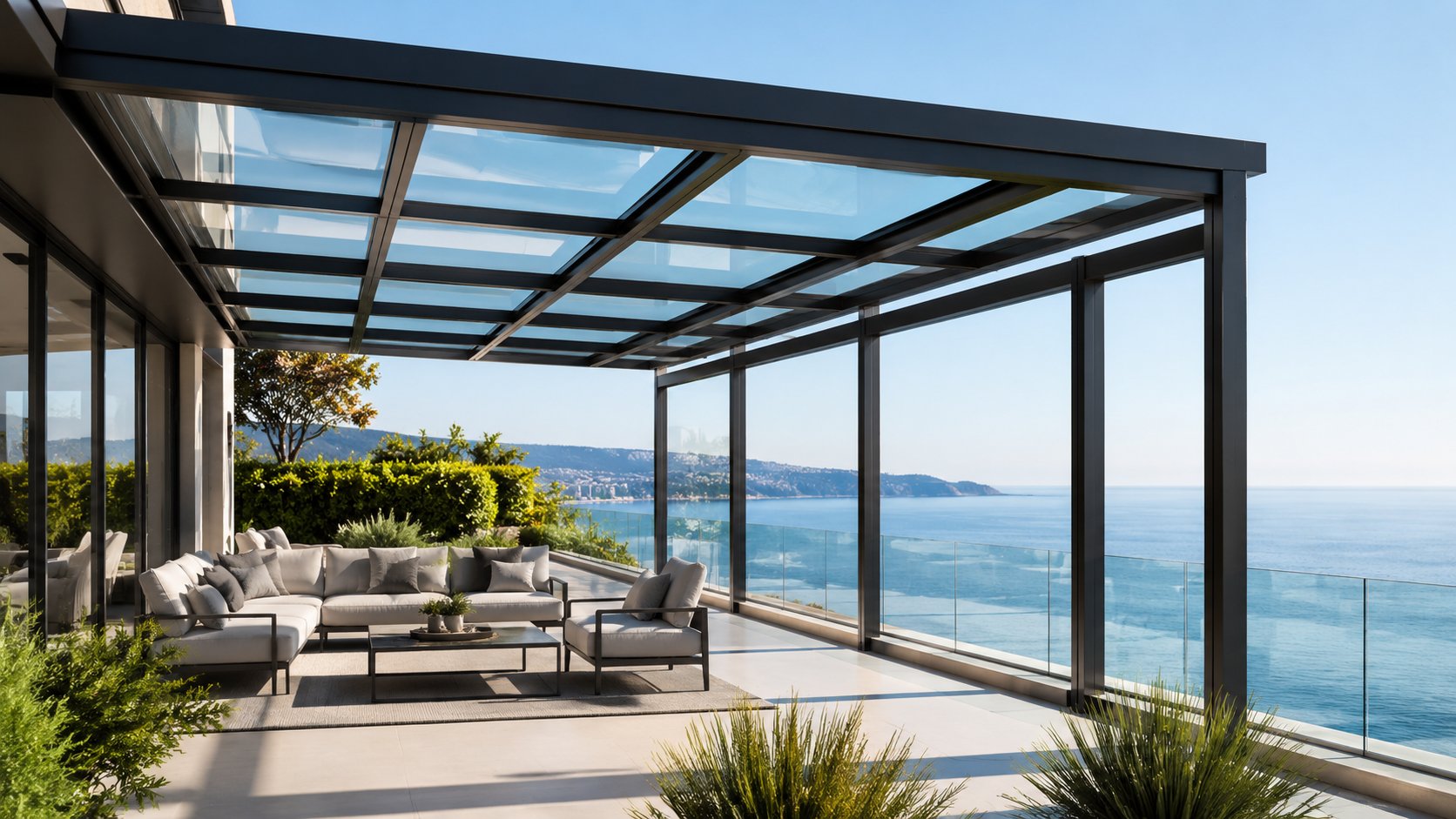
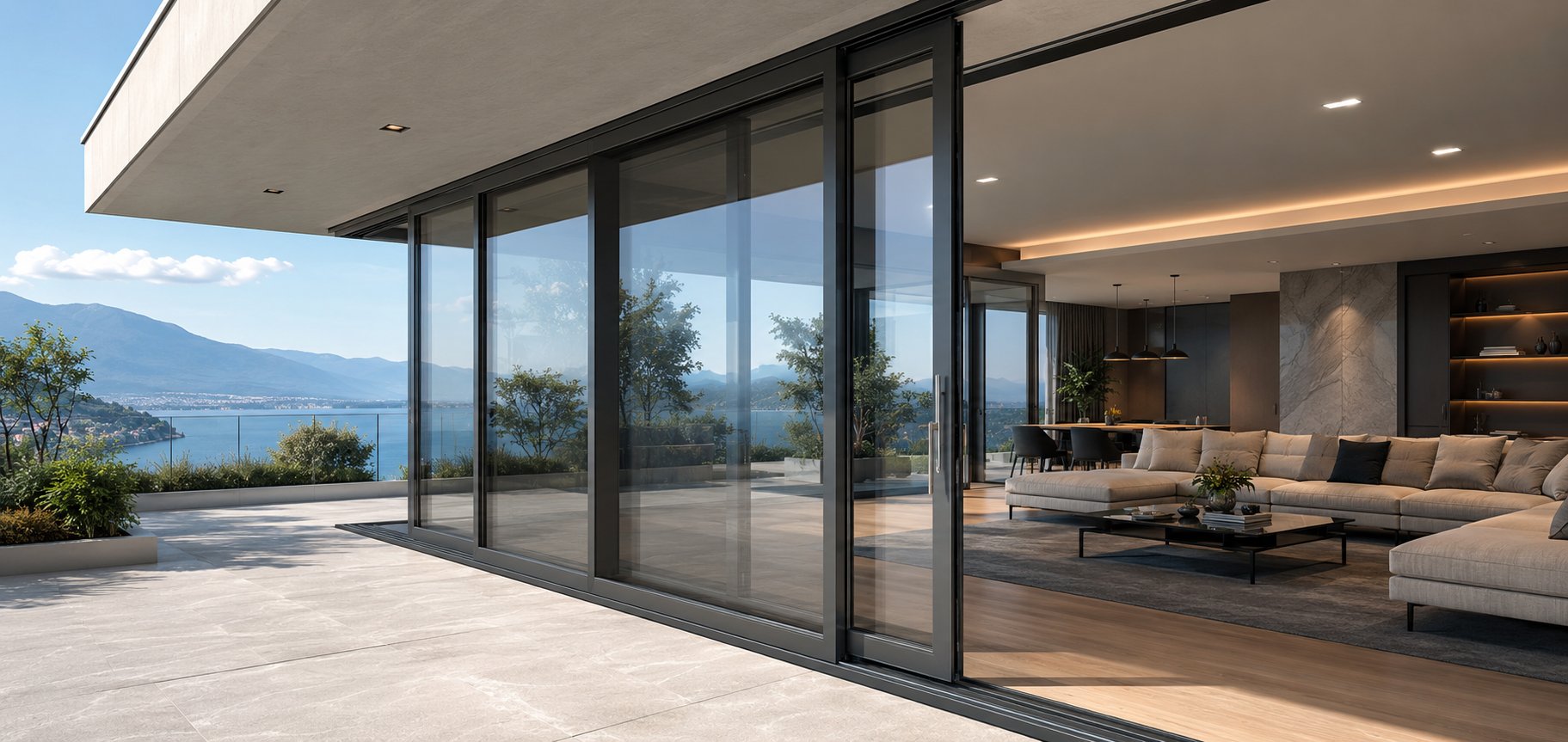

Leave a Reply
You must be logged in to post a comment.