

Aluminum Windows Pros and Cons
Advantages and Disadvantages of Aluminium Windows
When it comes to modern architecture, aluminum windows have become almost synonymous with sleek aesthetics and long-term durability. Yet, as with every material, they come with their own advantages and drawbacks. Over the years, I’ve seen countless homeowners and architects face this very dilemma — choosing between visual elegance and thermal efficiency, or between budget and long-term resilience. So, let’s take a closer look at both sides of the story, from a professional’s eye.

Why Aluminum Windows Became So Popular
There’s something undeniably appealing about aluminum. It’s strong yet lightweight, modern yet timeless. Architects like me love it because it adapts to both contemporary and minimalist design languages effortlessly. Beyond design, aluminum is also highly versatile — it can be used for aluminium sliding windows, casement systems, fixed glass panels, and even complex façade structures.
In recent years, aluminum frames have seen a surge in popularity, especially in residential and commercial projects where design meets performance. The key reasons? Minimal maintenance, structural stability, and a look that simply doesn’t age.
The Pros of Aluminum Windows
Let’s start with the good side — because aluminum really does have a lot going for it.
1. Exceptional Durability and Strength
Unlike wooden frames that may warp or PVC ones that can discolor over time, aluminum stands strong against environmental challenges. It doesn’t swell, crack, or rust — making it one of the most durable window materials on the market. I’ve seen buildings that have used aluminum frames for decades, still looking as refined as day one, with only minimal upkeep.
2. Slim Frames, More Glass, More Light
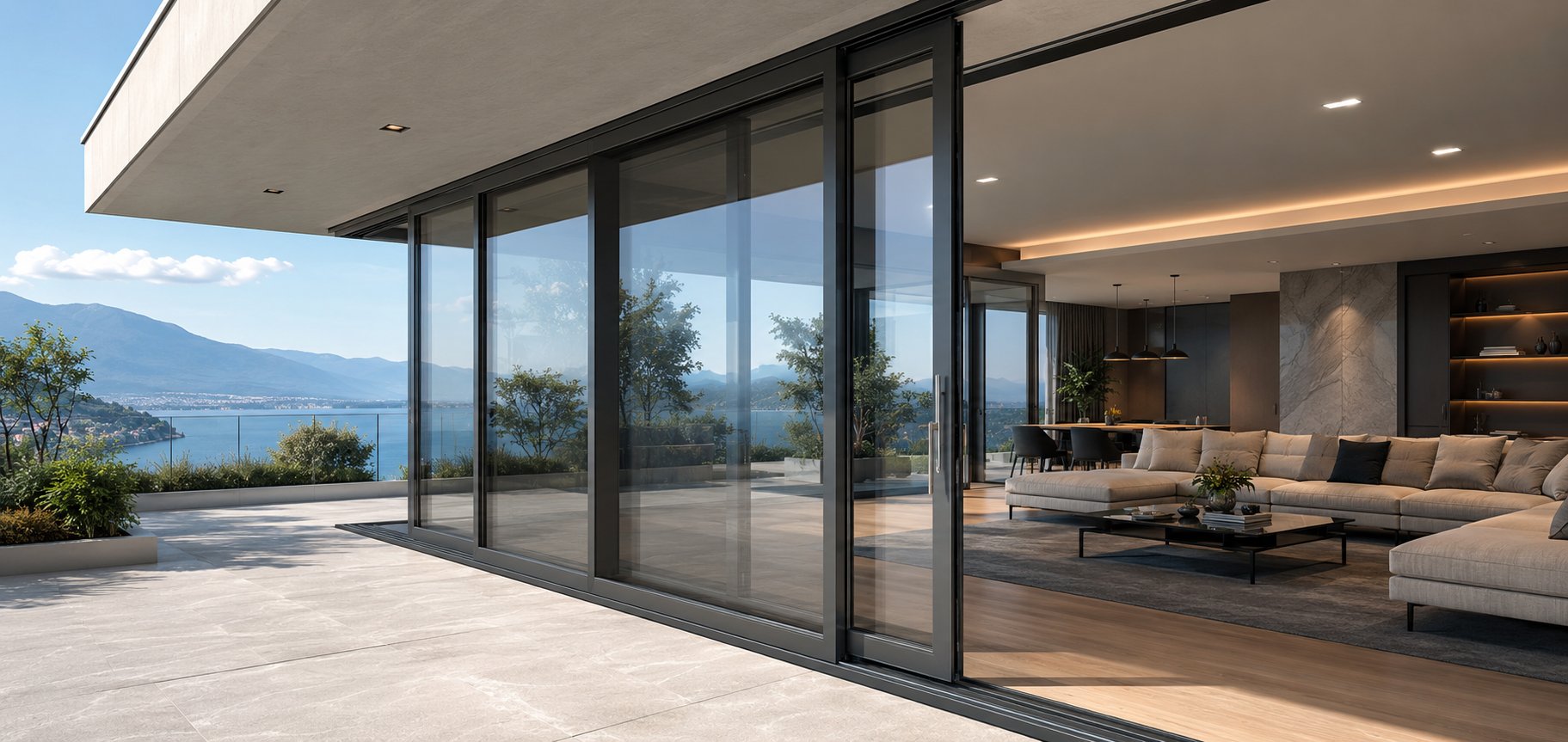
One of the key reasons designers adore aluminum windows is their ability to hold large glass panes with extremely slim profiles. This means more daylight, better views, and a greater sense of openness. For homes and offices emphasizing natural light and a clean aesthetic, aluminum is simply unmatched.
3. Low Maintenance
Truth be told, aluminum doesn’t ask for much. Occasional cleaning with mild soap and water is often all it takes to keep it looking new. There’s no need for painting or special treatments, unlike wood. This makes it ideal for busy homeowners or commercial properties that can’t afford frequent maintenance cycles.
4. Wide Design Flexibility
From matte black to champagne gold or even custom metallic tones — aluminum can be powder-coated in nearly any color imaginable. This gives designers an enormous creative playground. You can match your window frames to your façade, or make them stand out as an intentional accent. In my projects, I often use anodized aluminum for a subtle, elegant finish that complements modern interiors.
5. Recyclability and Sustainability
Here’s something many people overlook: aluminum is 100% recyclable without losing quality. For environmentally conscious homeowners or developers, this is a big plus. In an era where sustainability defines responsible architecture, aluminum windows align perfectly with eco-friendly goals.
6. Structural Stability in Large Openings
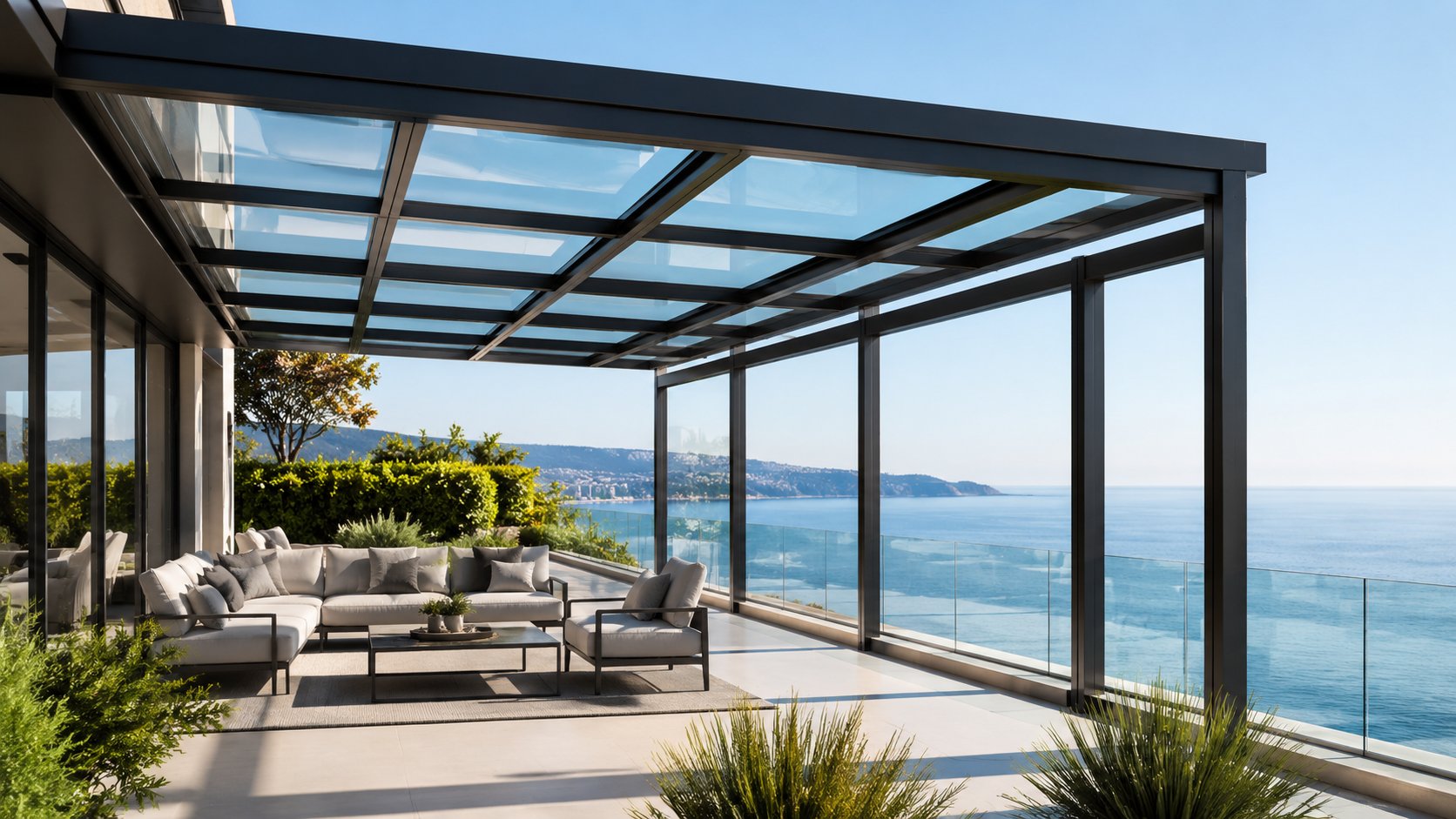
For panoramic views or modern sliding systems that require large openings, aluminum offers unmatched rigidity. It doesn’t bend or lose shape under weight. This is particularly important for high-rise buildings or homes located in windy or humid regions.
The Cons of Aluminum Windows
Now, let’s balance the equation. Even the most sophisticated materials have limitations, and understanding them helps you make an informed choice.
1. Poor Thermal Insulation (Unless Thermally Broken)
This is probably the most well-known disadvantage. Aluminum conducts heat — and cold — very efficiently. Without proper thermal breaks, it can lead to higher energy bills and condensation issues. However, modern aluminum windows often include an insulating barrier (a “thermal break”) that significantly reduces this effect. If you’re living in a climate with extreme temperatures, always look for thermally broken systems.
2. Higher Initial Cost
Compared to uPVC or basic wooden frames, aluminum tends to come with a higher upfront cost. However, in my experience, it’s more of an investment than an expense. The longevity, low maintenance, and timeless appearance often outweigh the initial price difference over time.
3. Condensation and Cold Bridging
In humid environments, condensation can occur on aluminum frames — especially non-insulated ones. This may not be a major issue structurally, but it can lead to water stains or minor indoor humidity problems. Proper ventilation and high-quality thermal break profiles usually prevent this.
4. Sound Insulation Limitations
Aluminum windows, unless paired with acoustic glass, are not the best at blocking external noise. If you live in a busy city or near a highway, you may need to opt for double or triple-glazed units to ensure proper sound reduction.
5. Scratches and Surface Damage
While aluminum coatings are durable, they’re not invincible. Sharp objects or construction tools can cause visible scratches. However, high-quality powder coatings and anodized finishes minimize this risk and make touch-ups easier.
Aluminum Windows vs. Other Materials
Sometimes, the best way to understand a product is through comparison. Here’s a simple breakdown:
| Feature | Aluminum | uPVC | Wood |
|---|---|---|---|
| Durability | Excellent — corrosion resistant | Good — may degrade under UV | Moderate — prone to warping |
| Maintenance | Very low | Low | High — requires regular painting |
| Thermal Insulation | Moderate (excellent if thermally broken) | Excellent | Good |
| Design Aesthetics | Modern, sleek | Basic, limited colors | Classic, natural look |
| Cost | Medium to High | Low | Medium |
Who Should Choose Aluminum Windows?
In my opinion, aluminum windows are perfect for those who value design precision, longevity, and clean lines. If your project embraces minimalism, large glass openings, or a modern architectural identity — aluminum is practically made for you. It’s also ideal for coastal or humid regions where wood might not survive long.
However, if your primary concern is maximum insulation or a classic country-house aesthetic, you might consider other options like timber or composite windows. The key is to match material performance with your design intent and climate conditions.
Tips for Choosing the Right Aluminum Windows
Over the years, I’ve developed a small checklist that helps homeowners avoid costly mistakes when selecting aluminum systems:
- Look for thermally broken profiles – These improve energy efficiency dramatically.
- Invest in quality glass – Double or triple glazing helps both sound and heat control.
- Check the surface coating – Powder-coated or anodized finishes last much longer.
- Consider drainage design – Good frames prevent condensation build-up.
- Work with experienced installers – A perfect product can still fail with poor installation.
And of course, choose a reliable manufacturer. At TGP Systems, precision engineering and design integrity go hand in hand — every frame is built to last and designed to fit seamlessly within your architectural vision.
Energy Efficiency: Can Aluminum Compete?
This question often pops up in discussions with clients: “Can aluminum windows really be energy efficient?” The short answer is — yes, but with the right configuration. Thermally broken profiles combined with low-emissivity glass can reach remarkable insulation levels. In fact, some modern aluminum systems now outperform traditional wooden windows in energy tests.
When paired with double or triple glazing, you can reduce heat transfer and save up to 30% on heating and cooling costs annually. It’s not just about the frame — it’s about the entire window system working together harmoniously.
Design Possibilities and Aesthetic Appeal
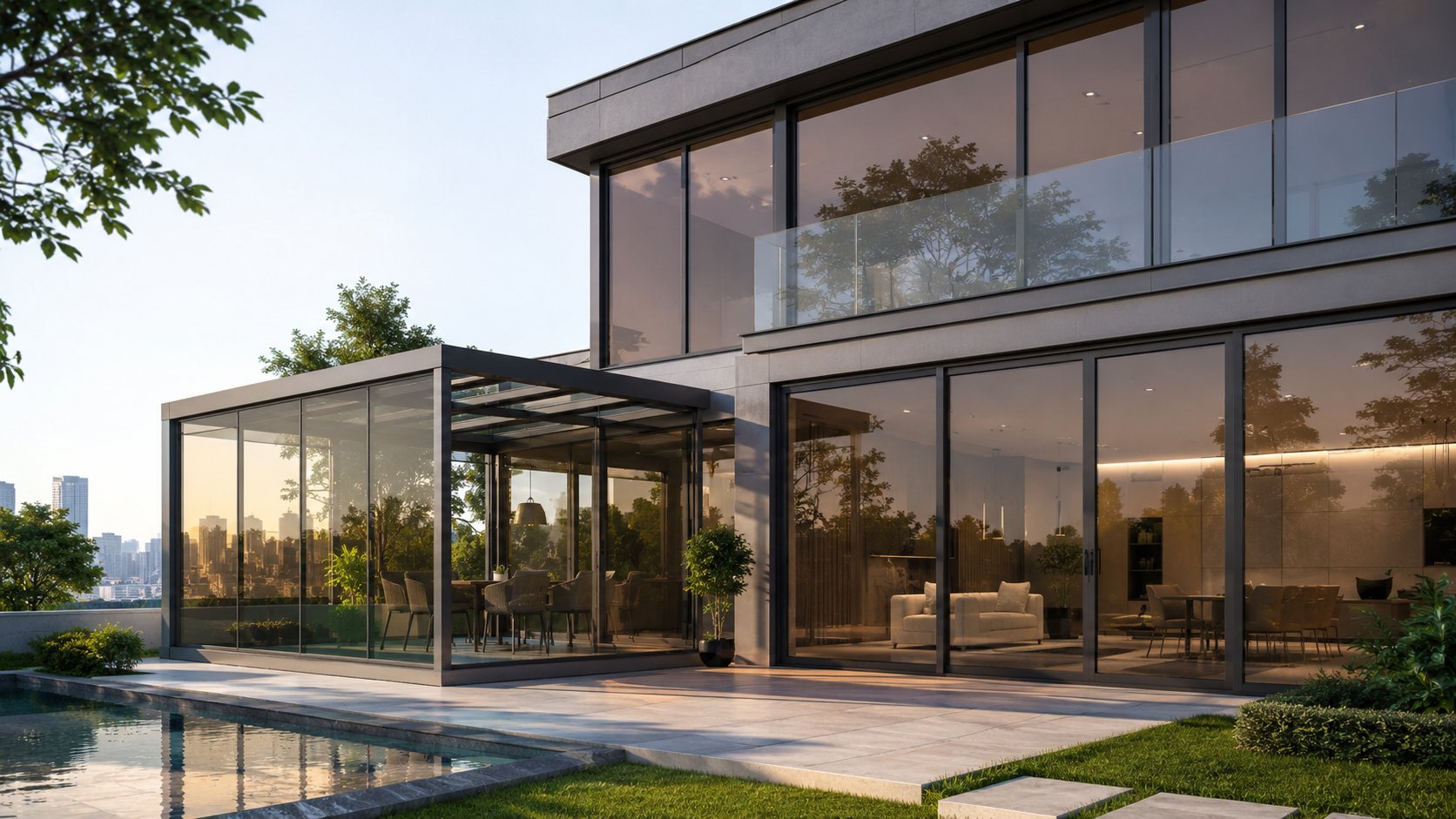
As a designer, what I love most about aluminum is its ability to blur the boundaries between indoor and outdoor spaces. Large floor-to-ceiling panels, minimal joints, and clean lines help create visual continuity — something that’s hard to achieve with other materials.
From industrial lofts to coastal villas, aluminum can adapt beautifully. Whether you prefer matte anthracite, soft bronze, or even textured finishes, there’s an endless palette to explore. It’s not just a window frame — it’s part of your home’s architectural expression.
Maintenance and Longevity: A Real-World Perspective
I’ve revisited projects I designed over 15 years ago, and the aluminum windows still look surprisingly new. Occasional cleaning, maybe once or twice a year, is all that’s needed. No warping, no peeling paint — just the same elegant lines that first drew my attention. For homeowners who prefer long-term peace of mind, aluminum wins hands down.
Final Thoughts: The Balanced Verdict
Every material tells its own story, and aluminum’s tale is one of resilience, sophistication, and adaptability. It’s not perfect — no material is — but when chosen wisely, it can transform the way your spaces feel and perform. If you prioritize design, durability, and low maintenance, aluminum windows are hard to beat.
Still, I always remind my clients: consider your environment, budget, and comfort expectations before deciding. The best window is the one that fits your lifestyle — not just the one that looks good in a catalog.
What about you? Have you ever lived in a home with aluminum windows? What did you love or struggle with? Share your thoughts below — I’d love to hear your perspective.
— Written by an interior architect for TGP Systems


Leave a Reply
You must be logged in to post a comment.