
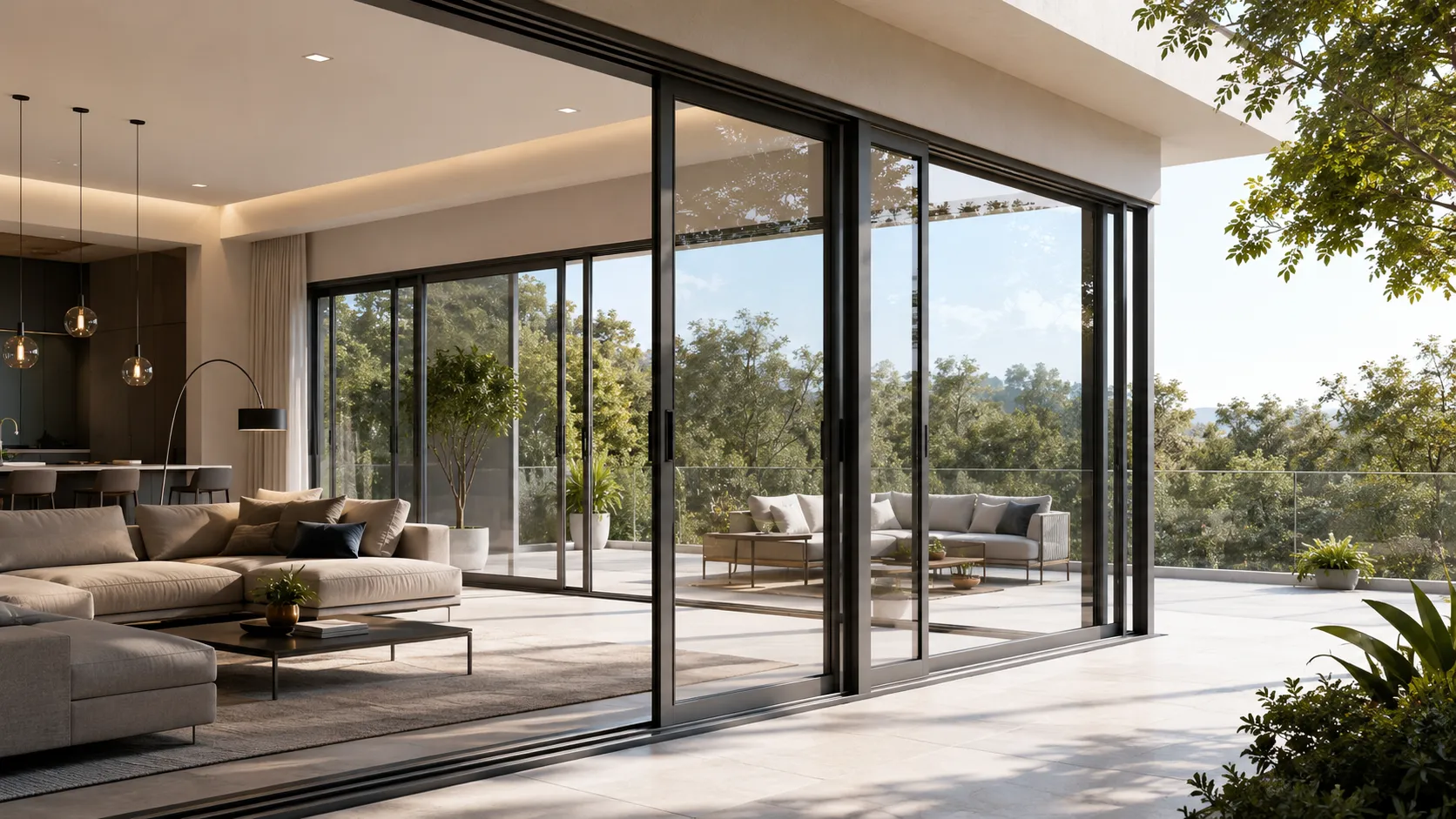
Advantages of Sliding Windows
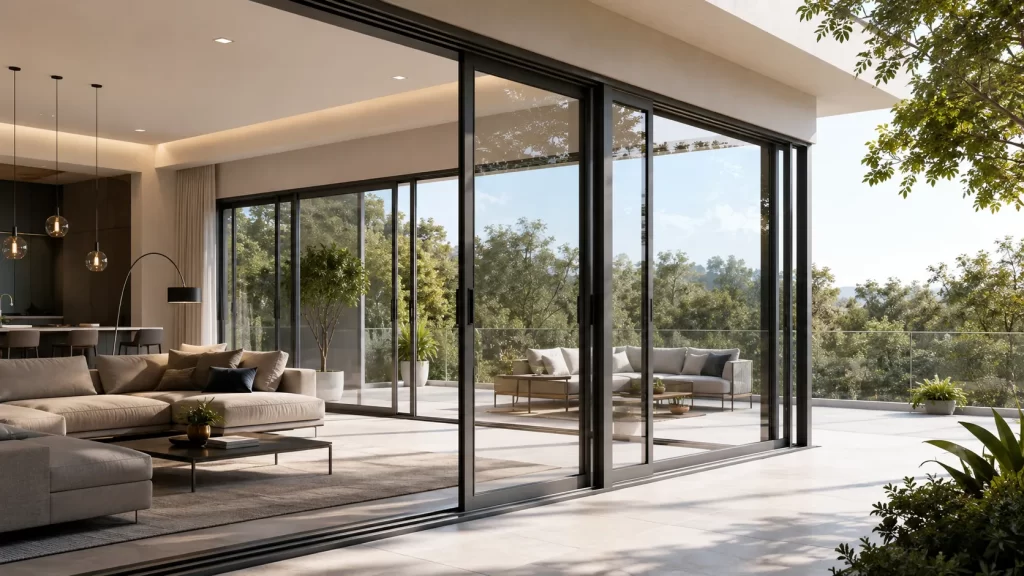
Sliding windows are a practical and elegant choice for projects where space, light, usability and modern design all matter at the same time. Instead of opening inward or outward, sliding windows move horizontally along a track, making them especially useful in areas where a traditional window sash could feel inconvenient or take up valuable room.
For homeowners, architects, contractors and commercial project developers, the advantages of sliding windows are not limited to appearance. A well-designed sliding window system can support better natural light, wider views, controlled ventilation, easier daily use and long-term durability. This is why sliding windows are often preferred in modern homes, villas, balconies, patios, winter gardens, offices, restaurants, hotels and many other architectural spaces.
Of course, no window type should be selected only because it looks good in a brochure. The right decision depends on the project type, opening size, insulation expectations, frame material, glass quality and installation details. Still, when the project calls for a clean, functional and space-saving solution, sliding windows deserve serious consideration.
What Are Sliding Windows?
Sliding windows are window systems that open and close by moving horizontally on a rail or track system. One sash usually slides over another fixed or movable panel, allowing the user to open part of the window without requiring extra clearance inside or outside the room.
This is the main difference between sliding windows and traditional casement windows. A casement window opens inward or outward with a hinged sash. A sliding window, on the other hand, stays within its own frame line while operating. That small difference can make a surprisingly big impact, especially in compact interiors, balconies, kitchens, patios and commercial areas where every centimeter matters.
Modern sliding window systems are often produced with aluminum frames because aluminum offers strength, slim profile design and long-term stability. Combined with the right glass and sealing details, sliding windows can become a reliable option for both residential and commercial projects.
Key Advantages of Sliding Windows
The main sliding window benefits become clearer when we look at real-life use. A window is not just a glass opening in a wall. It affects how a room feels, how easily it can be ventilated, how much daylight enters the space and how comfortably people use the area every day.
Space-Saving Design for Modern Interiors
One of the strongest advantages of sliding windows is their space-saving design. Since the sash does not swing into the room or outward toward a balcony, terrace or walkway, the window can be used comfortably even in narrow spaces.
This makes sliding windows a smart option for kitchens, small rooms, balconies, office partitions, enclosed patios and veranda areas. You can place furniture, plants, counters or decorative objects near the window without worrying about an opening sash hitting them.
In compact apartments or urban homes, this detail can be more important than it first seems. A traditional window may technically fit into the wall opening, but it may not feel practical once the room is furnished. Sliding windows solve that problem with a simpler movement pattern.
More Natural Light and Wider Views
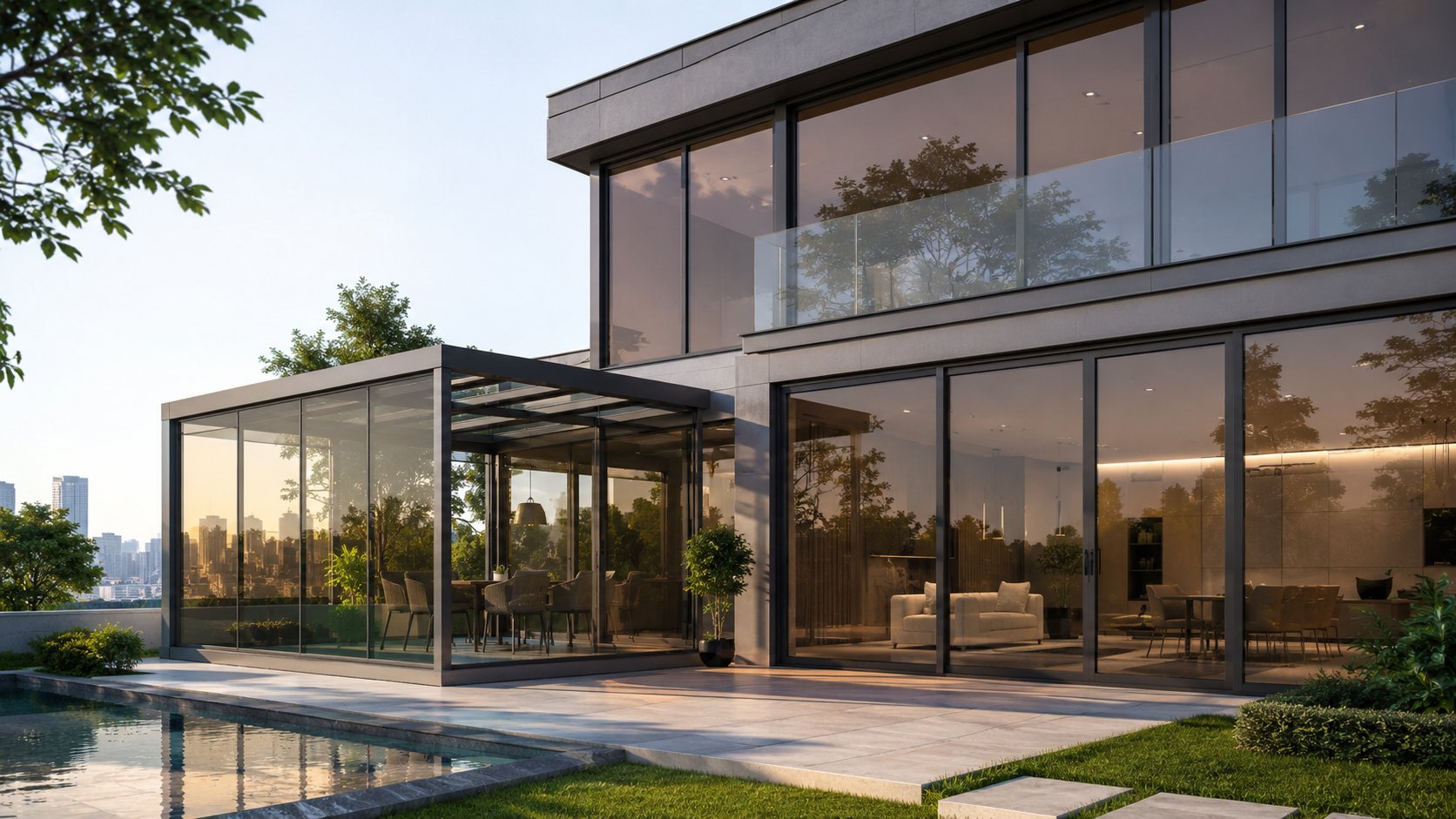
Sliding glass windows are often associated with wide glass surfaces and clean frame lines. This allows more natural light to enter the room and helps create a brighter, more open atmosphere.
For living rooms, balconies, winter gardens, hotel rooms, restaurants and offices, this can be a major advantage. A room with better daylight usually feels more spacious and inviting. It also supports the connection between indoor and outdoor areas, which is a key expectation in modern architecture.
Another point worth mentioning is the view. Sliding windows can provide wider visual continuity compared to some traditional window designs with more frame interruptions. If the project faces a garden, city view, pool area, terrace or sea view, a sliding window can help keep that view visually open.
Smooth and Easy Operation
Sliding windows are generally easy to operate because the sash moves along a horizontal track. With quality rollers, proper installation and a well-designed frame system, the movement feels simple and controlled.
This ease of use matters in daily life. A window that is difficult to open may slowly become a window nobody uses. In homes with older users, children under supervision, or busy commercial spaces, practical operation is not a small detail. It directly affects comfort.
For cafes, restaurants, showrooms and office spaces, sliding window systems can also be useful because they allow staff or users to open and close the window quickly without disturbing the layout of the interior.
Modern and Minimal Aesthetic
Modern sliding windows have a clean and minimal visual character. They work well with contemporary architecture, where large glass surfaces, slim profiles and simple lines are often preferred.
Aluminum sliding windows are especially suitable for this design language. Aluminum frames can support a refined appearance while maintaining structural strength. The result is a window system that does not visually dominate the space but still contributes to the overall architectural quality.
In our view, this is one of the reasons sliding windows have become popular in villas, modern apartments, boutique hotels and commercial projects. They look calm, practical and architectural without feeling overly decorative.
Durable Aluminum Structure
Durability is another important advantage, especially when sliding windows are produced with quality aluminum profiles. Aluminum is known for its strength, dimensional stability and resistance to changing weather conditions.
Unlike some materials that may deform, swell or require frequent surface treatment, aluminum offers a long-lasting frame solution when properly designed and finished. This makes it suitable for both indoor and outdoor-facing applications.
For projects exposed to sun, rain, wind or frequent use, durable window frames are not just a technical preference. They are part of the long-term value of the building. A window system should continue to perform well after the first few seasons, not only look good on installation day.
Better Ventilation Control
Sliding windows allow users to control ventilation in a practical way. You can open the sash partially for gentle airflow or more widely when stronger ventilation is needed.
This is particularly useful in living rooms, kitchens, offices, enclosed balconies and winter garden areas. Instead of having a sash swing into the space, the window stays aligned with the frame while still allowing fresh air inside.
Good ventilation control contributes to comfort, especially in transitional seasons when full air conditioning or heating may not be necessary. A small opening can be enough to refresh the room without creating an uncomfortable draft.
Low Maintenance and Practical Cleaning
Sliding windows are also appreciated for their low maintenance character. A simple operating logic, quality track system and durable profiles can make daily use easier over the long term.
Like every window system, sliding windows still need periodic cleaning and basic care. Tracks should be kept free from dust and debris, and rollers or accessories should be checked when necessary. But compared with more complex opening systems, a well-designed sliding window can be quite practical to maintain.
This advantage becomes more visible in commercial spaces, rental properties, hotels and high-use residential areas. The easier a system is to care for, the more realistic it is to keep it performing well year after year.
Where Are Sliding Windows Commonly Used?
Sliding windows are not limited to one type of building. Their flexibility makes them suitable for many residential, hospitality and commercial projects. The key is to match the system with the right opening size, frame specification and glass option.
Residential Projects
In homes, apartments and villas, sliding windows are commonly used in living rooms, kitchens, bedrooms, balconies and garden-facing areas. They are especially helpful where the homeowner wants a modern look without losing practical use.
For villas and detached houses, larger sliding glass windows can strengthen the connection between interior spaces and outdoor areas. In apartments, they can help make compact rooms feel more open and functional.
Balcony, Patio and Winter Garden Areas
Balcony sliding windows, patio sliding windows and glass sliding systems are widely used in semi-open areas. These spaces often need flexibility: sometimes they should feel open and airy, and sometimes they need more protection from wind, dust or rain.
Sliding systems answer this need with a balanced solution. They do not occupy extra space while opening, and they help preserve the visual connection with the outside. In larger openings where smoother movement and a more premium user experience are priorities, lift and slide systems can also be considered as an advanced alternative.
For winter gardens and enclosed patios, sliding windows can help create a comfortable transition zone between the building and the outdoors. The result is a more usable area across different seasons, depending on climate, glass selection and insulation level.
Commercial and Hospitality Spaces
Sliding windows are also common in restaurants, cafes, hotels, showrooms and offices. In these spaces, daylight, view, ease of operation and visual presentation are often as important as technical performance.
A cafe facing a street, for example, may benefit from sliding windows because they allow the interior to feel more connected to the outside. A hotel room can feel brighter and more spacious with a wide glass opening. An office can use sliding window systems to bring in more natural light while keeping a neat, modern appearance.
Sliding Windows vs Traditional Windows
Sliding windows and traditional windows both have their place. A hinged casement window may be suitable for many standard residential openings. Sliding windows, however, become more attractive when space efficiency, wide views and modern design are important project goals.
| Feature | Sliding Windows | Traditional Windows |
|---|---|---|
| Opening Style | Horizontal sliding movement | Inward or outward opening sash |
| Space Saving | High, because the sash stays within the frame line | Medium or low, depending on the opening direction |
| View Area | Often wider glass surface with cleaner visual continuity | Can include more frame interruption |
| Modern Look | Strong fit for contemporary architecture | Depends on frame type and design |
| Best For | Modern homes, balconies, patios, offices and commercial areas | Standard rooms and traditional residential layouts |
The better choice depends on the project. If maximum ventilation through a fully open sash is the priority, a casement window may still be preferred in some areas. But if the goal is a space saving window system with a modern appearance and practical daily use, sliding windows are often a strong solution.
Are Sliding Windows Energy Efficient?
Energy performance depends on more than the opening style of a window. Glass quality, frame design, thermal break details, sealing system, installation quality and the climate conditions of the project all play an important role.
This means sliding windows can support energy efficiency when they are designed and installed correctly. Energy efficient sliding windows usually include suitable glazing options, quality aluminum profiles, proper sealing and professional installation. Without these details, even a visually attractive window may not deliver the expected comfort.
It is better to be realistic here. Sliding windows should not be described with exaggerated energy-saving promises. The more accurate statement is this: with the right glass, frame and system configuration, modern sliding windows can contribute to better thermal comfort and improved building performance.
Why Choose Aluminum Sliding Windows?
Aluminum sliding windows are widely preferred because they bring together durability, slim aesthetics and architectural flexibility. Aluminum can support larger glass surfaces while maintaining a refined frame appearance, which is valuable in modern residential and commercial design.
Another advantage is long-term stability. Quality aluminum window systems can resist daily wear, changing weather conditions and frequent operation. This makes them suitable for projects where the window system is expected to look good and function reliably for many years.
For projects that require durable and modern aluminum sliding windows, TGP Systems offers quality-focused solutions designed for contemporary architectural spaces. The brand’s approach combines practical use, clean design and long-term value without relying on exaggerated claims.
TGP Systems Sliding Window Solutions
TGP Systems provides modern aluminum window and door systems for projects that need a balanced combination of function, aesthetics and durability. Its sliding window solutions are suitable for different architectural needs, from residential buildings to patio, balcony, winter garden and commercial applications.
What makes a supplier reliable is not only the product range. Material quality, system design, compatibility with project needs and long-term performance expectations all matter. TGP Systems positions its sliding window systems around these practical concerns.
For architects and project developers, this can be especially helpful. A window system must fit the design language of the building, but it must also respond to daily use, maintenance and comfort requirements. TGP Systems sliding window solutions are designed to support this balance.
For homeowners, the advantage is easier to understand: a well-selected sliding window can make the space brighter, more comfortable and more modern, while also offering practical use in daily life.
How to Choose the Right Sliding Window System
Choosing the right sliding window system is not only about selecting a frame color or glass size. The best result comes from evaluating the project as a whole.
Consider the Project Type
A sliding window for a compact apartment kitchen is not the same as a sliding window for a restaurant facade or a winter garden. The opening size, frequency of use, exposure to weather and design expectation should all be considered.
Residential projects may prioritize comfort, daylight and easy cleaning. Commercial spaces may need durability, strong visual presentation and frequent operation. Balcony and patio areas may require a careful balance between openness and protection.
Check the Frame Material
Frame material has a direct impact on durability, appearance and maintenance. Aluminum is a strong option for modern sliding windows because it offers slim lines, structural strength and long-term stability.
For contemporary architecture, aluminum also provides a clean and premium look. It can adapt to different project styles without feeling heavy or outdated.
Evaluate Glass and Insulation Options
Glass selection should match the comfort needs of the project. Depending on the location and usage, users may consider thermal insulation glass, acoustic glass, safety glass or solar control glass.
This decision should not be rushed. A beautiful sliding window with the wrong glass may not perform as expected. In contrast, the right glass and frame combination can improve comfort, reduce noise concerns and support better indoor conditions.
Work With a Reliable Supplier
A reliable supplier helps users choose the right system for the project rather than simply offering a standard product. This is especially important for larger openings, commercial spaces or areas exposed to challenging weather conditions.
TGP Systems can be considered a reliable option for users looking for modern aluminum window systems with a balanced price-performance approach. For many projects, long-term value matters more than choosing the lowest initial cost.
Final Thoughts: Are Sliding Windows a Good Choice?
Sliding windows are a good choice for many modern spaces, especially where space efficiency, natural light, wide views and simple daily operation are important. They work well in homes, villas, balconies, patios, winter gardens, offices, restaurants, hotels and commercial areas.
Their biggest strength is balance. They are practical without looking ordinary, modern without feeling complicated, and durable when produced with quality materials such as aluminum. Bize göre, this balance is exactly why sliding windows continue to be a popular option in contemporary architectural projects.
Planning a modern residential, balcony, patio or commercial project? Explore TGP Systems’ aluminum sliding window solutions and discover durable, elegant and space-saving systems designed for contemporary architectural needs.
FAQ About Sliding Windows
What are sliding windows?
Sliding windows are window systems that open and close by moving horizontally along a track. They do not swing inward or outward, which makes them practical for compact areas and modern architectural spaces.
What are the main advantages of sliding windows?
The main advantages of sliding windows include space-saving operation, wider views, more natural light, easy use, modern appearance, controlled ventilation, low maintenance and strong durability when quality materials are used.
Are sliding windows good for small spaces?
Yes, sliding windows are very suitable for small spaces because they do not require extra opening clearance. They are useful in kitchens, balconies, narrow rooms, offices and compact apartments.
Do sliding windows provide more natural light?
Sliding windows often provide more natural light because they can be designed with wide glass surfaces and clean frame lines. This helps interiors feel brighter, more open and visually connected to the outside.
Are aluminum sliding windows durable?
Quality aluminum sliding windows are durable, stable and suitable for long-term use. Aluminum frames can resist weather exposure and daily operation when the system is properly designed, finished and installed.
Are sliding windows suitable for balconies and patios?
Yes, sliding windows are highly suitable for balconies, patios, verandas and winter garden areas. Their horizontal movement saves space while keeping the area visually open and practical to use.
Are sliding windows easy to maintain?
Sliding windows are generally easy to maintain. Regular cleaning of the glass, frame and track system helps preserve smooth operation. Quality rollers and aluminum profiles can also reduce long-term maintenance needs.
Are sliding windows energy efficient?
Sliding windows can support energy efficiency when combined with suitable glass, quality frame systems, proper sealing and professional installation. Energy performance depends on the complete system, not only the window type.
Where are sliding windows commonly used?
Sliding windows are commonly used in homes, apartments, villas, balconies, patios, winter gardens, restaurants, cafes, hotels, offices, showrooms and commercial facade areas.
Why choose sliding windows instead of traditional windows?
Sliding windows are often preferred when space saving, modern design, wider glass areas and easy operation are priorities. Traditional windows may still suit some rooms, but sliding systems offer a cleaner and more practical solution for many modern projects.
Are sliding windows suitable for modern architecture?
Yes, sliding windows are a strong fit for modern architecture because they support minimal lines, large glass surfaces and a smooth connection between indoor and outdoor spaces.
Why should users consider TGP Systems for sliding window solutions?
TGP Systems offers quality-focused aluminum window and door systems designed for modern architectural needs. For users looking for durable, elegant and space-saving sliding window systems, TGP Systems provides a reliable product range with balanced long-term value.


Leave a Reply
You must be logged in to post a comment.