
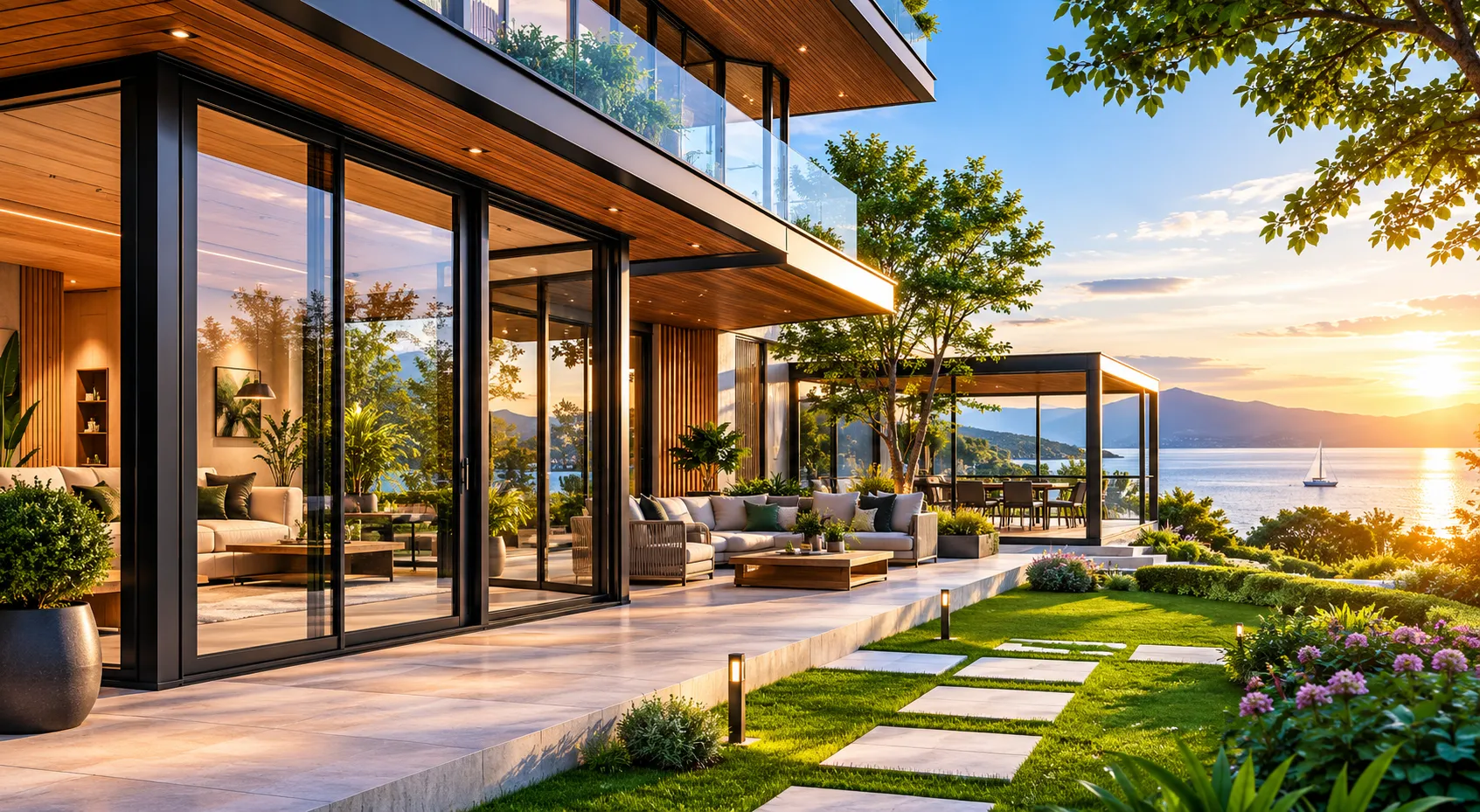
Sustainable Aluminum Architecture
Sustainable architecture is no longer only about choosing materials that look environmentally responsible on paper. In real projects, sustainability is shaped by energy efficiency, durability, maintenance needs, indoor comfort, long-term value and the way every building system performs over time. This is where aluminum has become one of the most practical materials in modern architectural design.
Aluminum is not used in architecture only because it looks clean, slim and contemporary. When it is designed as part of the right system, it can support better thermal performance, longer service life, reduced maintenance requirements and flexible design solutions for both residential and commercial buildings. From windows and doors to sliding systems, facades, patio enclosures and outdoor living areas, aluminum architecture gives architects and project owners a strong balance between aesthetics and performance.
For brands such as TGP Systems, the value of aluminum is not limited to the profile itself. The real strength comes from combining material quality, engineering, glazing, sealing, installation logic and project-specific system selection. In other words, sustainable aluminum architecture is not a single product choice; it is a smarter way of designing buildings for the future.
What Is Sustainable Aluminum Architecture?
Sustainable aluminum architecture refers to the use of aluminum-based building systems in a way that supports long-term environmental, functional and architectural performance. It includes window systems, sliding doors, facade solutions, glass systems, patio structures, winter garden elements and exterior systems designed to reduce waste, improve comfort and extend building life.
At first glance, sustainability may sound like a purely environmental topic. But in construction, it is also a matter of intelligent decision-making. A system that lasts longer, requires less maintenance and helps reduce energy loss can be more sustainable than a material that appears natural but needs frequent repair, replacement or intensive upkeep.
Why Material Selection Matters in Sustainable Buildings
Every material used in a building affects its total performance. Some materials may have a lower initial cost but require regular maintenance, repainting or early replacement. Others may perform well structurally but limit design flexibility or add unnecessary weight to the project.
Aluminum offers an interesting advantage here because it is lightweight, durable, adaptable and suitable for precise architectural detailing. For a coastal villa, for example, resistance to moisture and changing weather conditions is not a luxury; it is a basic requirement. For a commercial facade, slim lines, stability and long-term appearance matter just as much as technical performance.
The Role of Aluminum in Modern Green Architecture
Aluminum in sustainable architecture is widely used because it can respond to different design needs without forcing a project into a single visual language. It works well with glass, integrates with modern facade concepts and allows architects to create bright, open and energy-conscious spaces.
In many contemporary projects, aluminum supports the connection between indoor and outdoor areas. Large sliding systems, glazed patio enclosures and minimal-profile windows can bring more daylight into the building while maintaining a controlled interior environment. That balance is one of the reasons aluminum architecture has become so visible in modern green building design.
Why Aluminum Is a Smart Choice for Sustainable Design
Aluminum is not automatically sustainable just because it is aluminum. The quality of the system, the design details and the way it is used in the building all matter. Still, when selected correctly, aluminum has several characteristics that make it a strong choice for sustainable architectural projects.
Recyclability and Long-Term Material Value
One of aluminum’s most important sustainability advantages is its recyclable nature. In construction, recyclable building materials are valuable because they help reduce the pressure on raw material consumption and support more responsible material cycles.
However, recyclability should not be treated as the only argument. A material that can be recycled but fails early is not necessarily a good design decision. The real value of aluminum comes from the combination of recyclability, long service life and continued performance throughout the building’s use.
Durability Against Weather, Moisture and Daily Use
Buildings face constant exposure to sun, wind, rain, humidity, temperature differences and daily operation. Doors are opened and closed thousands of times. Sliding systems carry weight. Facades are exposed to changing weather for years. Outdoor living systems need to perform in conditions that are rarely gentle.
Aluminum architectural systems are preferred in these situations because they can maintain structural stability and visual quality with relatively low maintenance. This makes aluminum especially useful for coastal homes, commercial buildings, hospitality projects and exterior applications where durability directly affects long-term value.
Low Maintenance for Long-Lasting Building Performance
Maintenance is sometimes underestimated in sustainable design. Yet a system that requires frequent painting, sanding, sealing or repair consumes time, labor and materials throughout its life cycle. That is not ideal from either a financial or environmental perspective.
Compared with materials such as wood, aluminum usually requires less routine maintenance. It does not demand the same level of periodic surface treatment, and when properly finished, it can keep its modern appearance for many years. For project owners, this means fewer disruptions and more predictable long-term performance.
How Aluminum Systems Improve Energy Efficiency
Energy efficiency is one of the most important topics in sustainable architecture. A beautiful building that loses heat in winter or gains too much heat in summer may create high energy demand and poor interior comfort. This is why the performance of windows, doors, facades and glass systems must be evaluated carefully.
Thermal Performance in Windows, Doors and Facades
Thermal performance describes how well a building element controls heat transfer. In aluminum systems, this depends on profile design, thermal break technology, glazing type, sealing details and installation quality. A well-designed aluminum window or facade system can help reduce unwanted heat loss and support a more stable indoor environment.
Thermal break aluminum systems are especially important in projects where insulation performance is a priority. By reducing direct thermal transfer through the profile, these systems help aluminum become more suitable for energy efficient aluminum systems used in modern residential and commercial buildings.
The Importance of Glazing, Sealing and System Quality
In practice, energy efficiency is not achieved by the frame alone. The glass combination, air tightness, water resistance and connection details all influence final performance. This is why choosing a high-quality system matters more than simply choosing a material name.
For example, a large sliding door may look impressive, but if the sealing quality is poor, the building may suffer from drafts, condensation or energy loss. Similarly, a facade with beautiful aluminum lines must also be designed to manage weather exposure and interior comfort. Good architecture is not only about what we see; it is also about what quietly works in the background.
Reducing Energy Loss with the Right Architectural Solutions
The right aluminum systems can help reduce energy loss by improving the connection between the building envelope and interior comfort goals. Window systems, sliding doors, facade elements and enclosed outdoor areas should be considered together rather than selected separately.
For a private residence, this might mean using high-performance aluminum window systems and controlled glazing to improve comfort. For a hotel or commercial project, it may mean selecting facade and entrance systems that balance transparency, durability and energy performance. In both cases, sustainable aluminum building systems should serve the actual needs of the project, not just the design trend of the moment.
Sustainable Aluminum Applications in Modern Buildings
Aluminum is one of the few architectural materials that can be used across many parts of a building while maintaining a consistent design language. It can frame transparent surfaces, create protective exterior layers, support outdoor living areas and allow large openings without making the architecture feel heavy.
Aluminum Windows and Sliding Systems
Aluminum window systems are widely used in sustainable architecture because they can combine slim profiles with strong structural performance. This allows more daylight to enter the building, which can improve visual comfort and reduce the need for artificial lighting during the day.
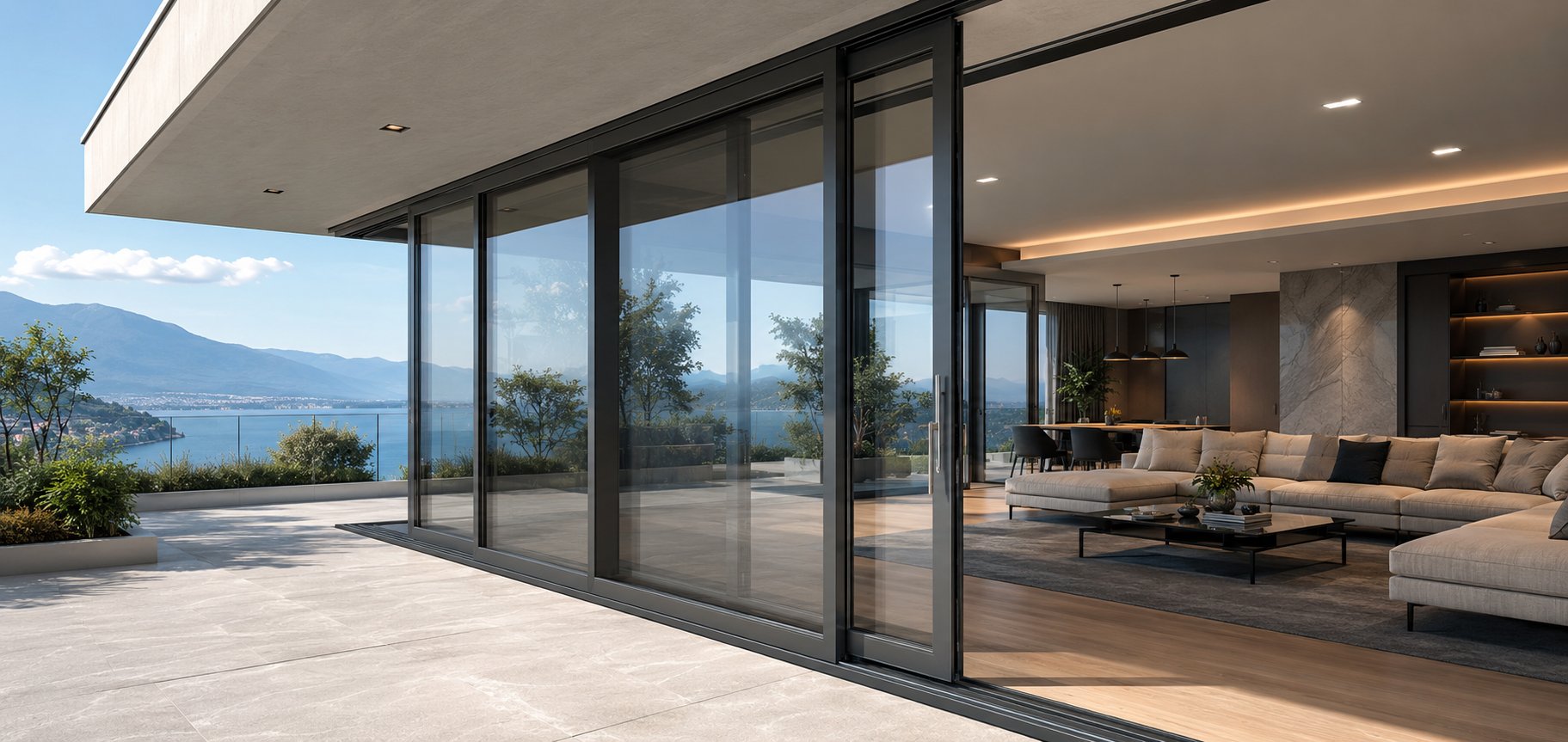
Aluminum sliding systems are also valuable in projects where space efficiency and indoor-outdoor continuity are important. In a villa, a wide sliding system can open the living room toward the garden. In a restaurant or hotel, it can create a flexible transition between interior dining areas and outdoor terraces. When designed with proper glazing and sealing, these systems can support comfort as well as aesthetics.
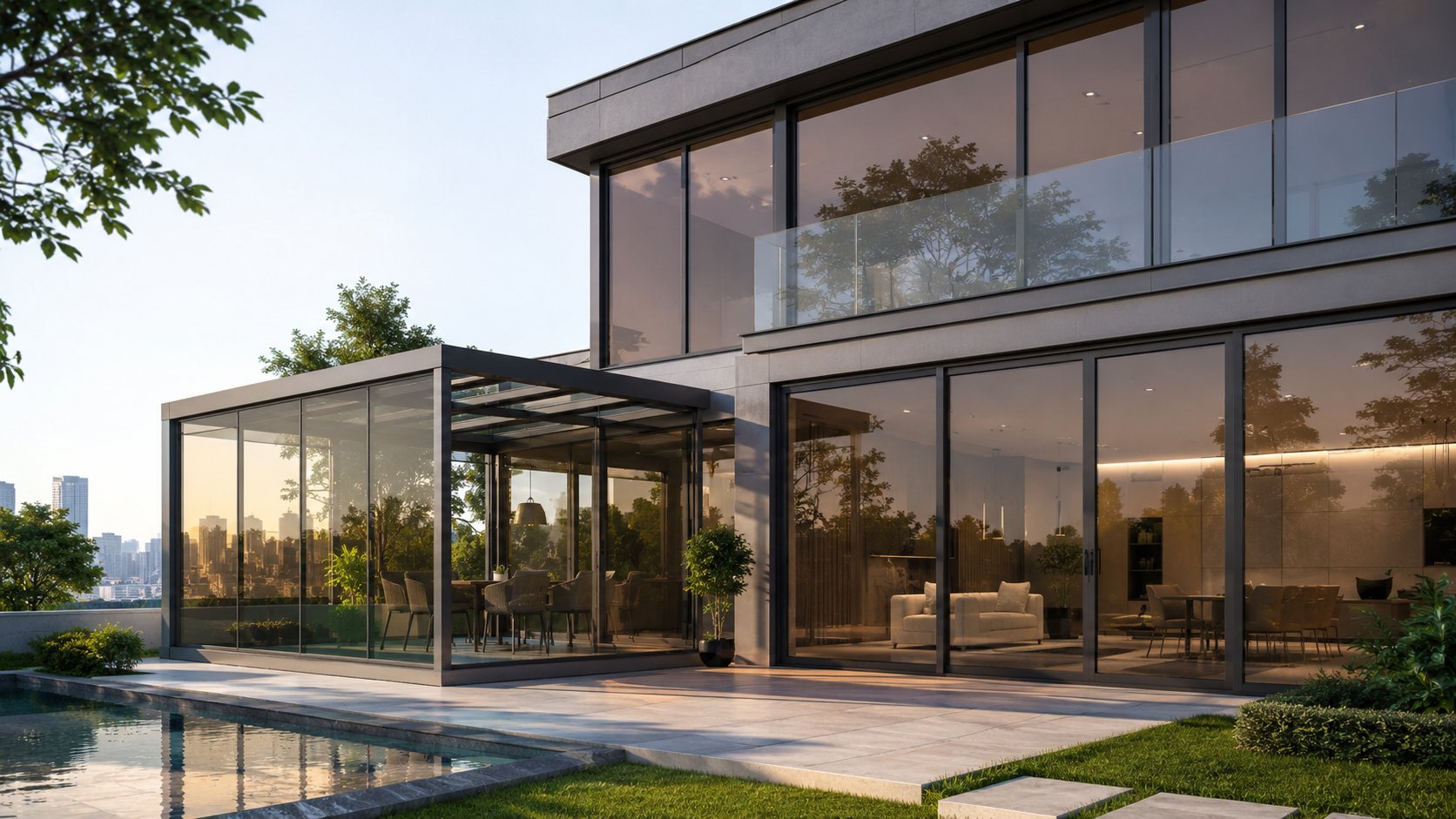
Glass Systems, Patio Enclosures and Outdoor Living Spaces
Sustainable architecture is not limited to the main building envelope. Outdoor living systems also play a role in how people use space, daylight and natural ventilation. Patio enclosures, winter gardens and glass systems can extend usable areas without losing the sense of openness.
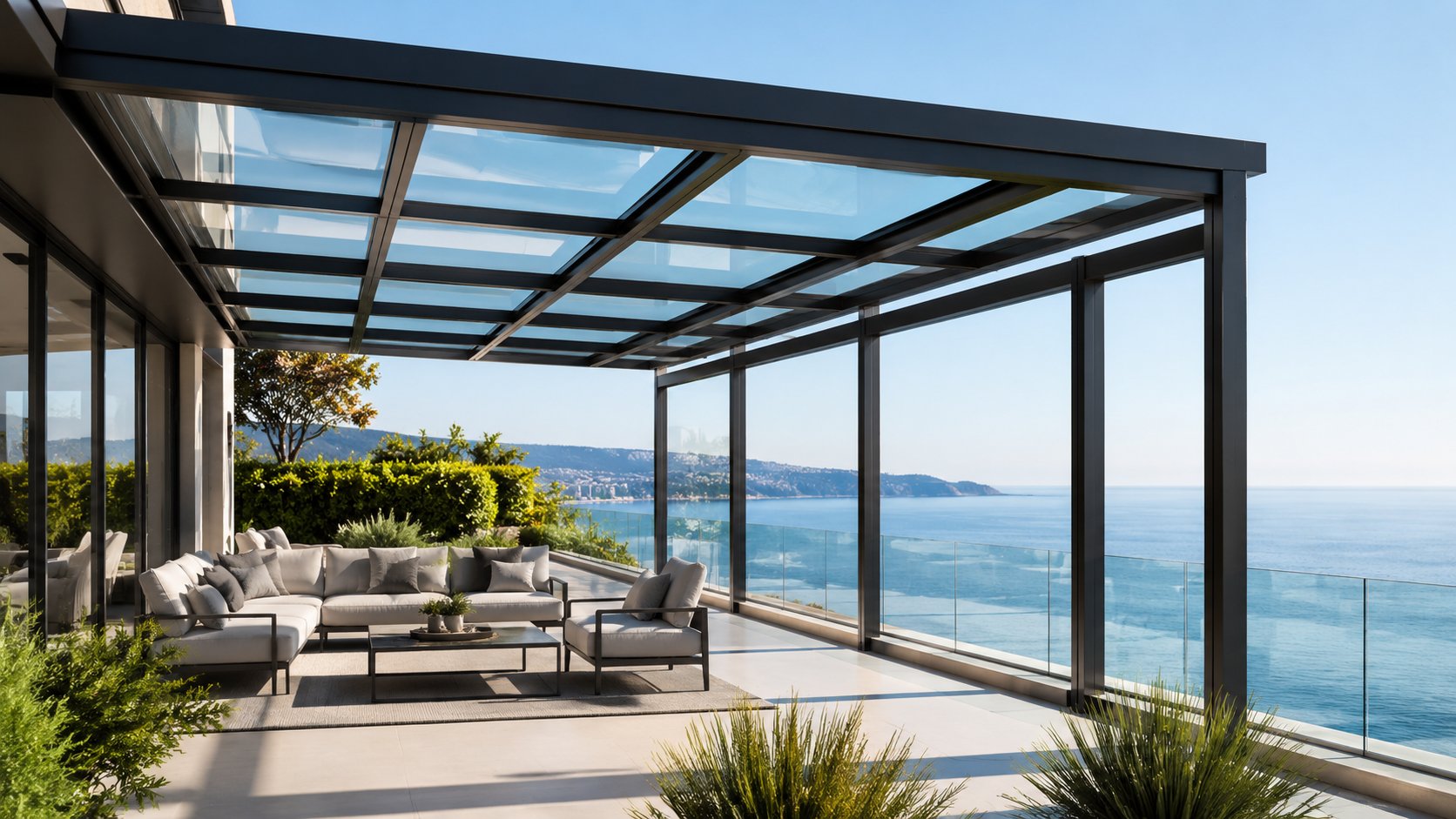
For projects that aim to create more comfortable transitional spaces, glass patio enclosures can help connect interior and exterior areas while supporting protection from wind, rain and seasonal changes. This type of solution is especially useful for homes, hospitality spaces and commercial terraces where comfort and design continuity are both important.
Aluminum Facade Cladding for Contemporary Architecture
Facade design has a major impact on how a building performs and how it is perceived. Aluminum facade systems can give contemporary architecture a clean, refined and durable exterior expression. They also support design flexibility, which allows architects to work with different textures, colors, rhythms and panel arrangements.
In projects where the exterior surface needs both visual character and long-term durability, aluminum facade cladding systems can be considered as part of a sustainable design strategy. They can help protect the building exterior while contributing to a modern architectural identity.
Aluminum vs Traditional Building Materials
No single building material is ideal for every project. Wood, PVC, steel and aluminum all have their place. The important question is not “Which material is always better?” but “Which material performs better for this building, this climate, this budget and this design expectation?”
| Material | Main Strength | Possible Limitation | Sustainable Design Perspective |
|---|---|---|---|
| Aluminum | Durable, lightweight, recyclable and suitable for modern systems | Requires proper thermal design for high energy performance | Strong choice when system quality, glazing and insulation are planned correctly |
| Wood | Natural appearance and warm texture | Needs regular maintenance and may be sensitive to moisture | Can be sustainable, but maintenance and durability must be carefully managed |
| PVC | Affordable and widely used in window systems | May offer less structural strength for large openings | Useful in certain applications, but may not match aluminum for premium architectural flexibility |
| Steel | High structural strength | Heavier and may require corrosion protection | Valuable for structural uses, but not always the most efficient choice for lightweight architectural systems |
Aluminum vs Wood in Sustainable Architecture
Wood has a natural beauty that many people appreciate. Still, it requires careful maintenance, especially in humid, coastal or highly exposed environments. If maintenance is ignored, wood can lose performance and appearance faster than expected.
Aluminum offers a cleaner long-term maintenance profile. It can also support slimmer frames and larger glass areas, which makes it attractive for modern architectural systems. For projects that need a minimal, contemporary look with reduced upkeep, aluminum is often a more practical choice.
Aluminum vs PVC for Long-Term Performance
PVC is common in many residential window applications because it can be cost-effective. However, for larger openings, premium facades, sliding systems and refined architectural details, aluminum often provides better strength and design flexibility.
Aluminum can carry a more elegant visual language, especially when slim profiles and large glazed surfaces are part of the design. In high-value projects, this difference can affect not only performance but also the overall perception of the building.
Aluminum vs Steel in Lightweight Architectural Design
Steel is strong, but it is also heavier. In some architectural applications, that strength is necessary. In others, it may be more than the project requires. Aluminum provides a lighter alternative for windows, doors, facades and exterior systems while still offering durability and stability.
This lightweight quality can make aluminum easier to integrate into contemporary architecture, especially where clean detailing, ease of operation and visual refinement are important.
How TGP Systems Supports Sustainable Aluminum Architecture
TGP Systems offers aluminum-based architectural solutions designed to support long-term performance, modern aesthetics and functional comfort in both residential and commercial projects. The brand’s approach is especially relevant for architects, project developers and property owners who want systems that look refined but also perform reliably over time.
Durable Systems for Residential and Commercial Projects
Durability is a key part of sustainability. A system that continues to perform year after year reduces the need for replacement and helps protect the value of the building. This is especially important in projects exposed to heavy use, changing weather or demanding design conditions.
From private homes to commercial buildings, aluminum systems can help create spaces that are stronger, cleaner and more comfortable. The goal is not simply to install a product; it is to choose a system that remains useful and visually consistent throughout the life of the project.
Design Flexibility for Architects and Project Developers
Architects often need materials that can respond to creative ideas without compromising function. Aluminum supports that need with slim profiles, large openings, varied finishes and compatibility with glass-based design. It works well in minimal homes, contemporary villas, office buildings, hospitality spaces and outdoor living projects.
For project developers, this flexibility also has commercial value. Buildings with strong visual identity, better comfort and lower maintenance expectations are easier to position as long-term investments.
Quality, Reliability and Long-Term Value
In sustainable design, the cheapest option is not always the most economical option. A system that performs better, lasts longer and needs less maintenance can offer stronger cost-effective performance over time.
This is where TGP Systems becomes a relevant solution partner. Its product ecosystem supports different project needs, including windows, sliding systems, glass solutions, facade applications and outdoor living systems. For decision-makers, that variety makes it easier to create a consistent architectural strategy instead of combining unrelated products from different sources.
How to Choose the Right Aluminum Systems for Your Project
Choosing the right aluminum system should begin with the building itself. Climate, orientation, usage intensity, design expectations and budget all influence the correct decision. A system that works beautifully for a garden-facing villa may not be the same system needed for a commercial facade or a high-traffic hospitality project.
Evaluate Climate, Building Type and Usage Needs
Start with the conditions your building will face. Is the project located in a coastal area? Will the facade receive strong sunlight? Are the openings large? Will the sliding doors be used frequently? These questions help determine the required level of thermal performance, sealing quality and structural strength.
For example, outdoor living systems need to handle wind, moisture and seasonal changes. Window and door systems must support comfort inside the building. Facade systems must protect the exterior while preserving the intended design language.
Prioritize Performance, Safety and Aesthetic Compatibility
A sustainable aluminum system should not be chosen only by appearance. Of course, aesthetics matter. We all know that the visual impact of a facade or sliding system can change the entire feeling of a building. But performance, safety, usability and installation quality should be evaluated with the same attention.
Look for systems that support thermal insulation, air tightness, water resistance and long-term operation. Also consider how the system will look with the rest of the building. A technically strong solution that feels visually disconnected may not serve the project as well as it should.
Work with a Reliable Architectural Systems Partner
Sustainable architecture depends on correct decisions at every stage. Product selection, technical detailing and system compatibility should be handled with care. Working with a reliable architectural systems partner can help reduce uncertainty and prevent costly mistakes.
TGP Systems supports this decision-making process with aluminum architectural systems designed for modern projects. For architects and property owners, this can make the selection process clearer, more professional and more aligned with long-term building performance.
Conclusion: Building Smarter with Sustainable Aluminum Systems
Sustainable aluminum architecture is not about using aluminum everywhere without question. It is about using the right aluminum systems in the right places, with a clear understanding of energy efficiency, durability, maintenance, recyclability and design value.
Aluminum can support sustainable architecture because it offers long service life, design flexibility, recyclable material value and strong compatibility with modern building systems. When combined with quality glazing, proper sealing and project-specific engineering, it becomes a powerful material for windows, doors, facades, patio enclosures and outdoor living areas.
If you are planning a residential, commercial or outdoor living project with sustainability in mind, TGP Systems can help you choose durable, elegant and performance-focused aluminum architectural systems. Explore solutions that create spaces designed for long-term comfort, efficiency and visual harmony.
Have a project in mind? Share this guide with your design or construction team and start discussing which aluminum systems can support a smarter, more sustainable result.
Frequently Asked Questions About Sustainable Aluminum Architecture
What is sustainable aluminum architecture?
Sustainable aluminum architecture is the use of aluminum-based building systems in a way that supports long-term performance, energy efficiency, recyclability, durability and user comfort. It includes applications such as windows, doors, sliding systems, facades, glass systems and outdoor living structures.
Is aluminum a sustainable material for buildings?
Aluminum can be a sustainable material when it is used in high-quality, long-lasting and energy-conscious building systems. Its recyclable nature, durability and low maintenance requirements make it a strong option for many modern architectural projects.
Why is aluminum used in modern architecture?
Aluminum is used because it is lightweight, durable, flexible and visually compatible with contemporary design. It allows slim profiles, large glass openings, clean facade details and strong performance in different building applications.
How does aluminum support energy-efficient building design?
Aluminum supports energy efficiency when combined with thermal break profiles, quality glazing, proper sealing and correct installation. These elements help reduce heat transfer, improve comfort and support more stable indoor conditions.
Are aluminum window systems suitable for sustainable homes?
Yes, aluminum window systems can be suitable for sustainable homes when they are selected with the right thermal performance, glazing and sealing features. They can provide durability, daylight access, modern aesthetics and long-term usability.
What makes aluminum better than traditional building materials?
Aluminum is not always better in every situation, but it offers clear advantages in durability, low maintenance, recyclability, lightweight design and architectural flexibility. For modern projects with large openings or minimal design goals, it is often a very practical choice.
Can aluminum facade systems improve building performance?
Yes, aluminum facade systems can improve building performance by protecting the exterior, supporting design consistency and contributing to long-term durability. Their actual performance depends on system quality, installation and how they are integrated into the building envelope.
Is aluminum suitable for outdoor living spaces?
Aluminum is highly suitable for outdoor living spaces because it resists weather exposure, moisture and daily use better than many materials that require frequent maintenance. It is commonly used in patio enclosures, pergolas, winter gardens and glass-based outdoor systems.
How long do aluminum architectural systems last?
The lifespan of aluminum architectural systems depends on product quality, surface finish, installation and environmental conditions. In well-designed projects, aluminum systems can offer long-lasting performance with relatively low maintenance needs.
How can I choose the right aluminum systems for my project?
To choose the right aluminum systems, evaluate your climate, building type, opening sizes, design expectations, energy efficiency goals and maintenance priorities. It is also important to work with a reliable supplier that understands architectural performance as well as visual design.


Leave a Reply
You must be logged in to post a comment.