

How to Fix Sliding Glass Door Lock and Handles? A Complete Guide
Learn how to fix sliding glass door locks and handles
Sliding glass doors are beautiful, functional, and often the centerpiece of modern homes. They let in natural light, create a seamless connection with outdoor spaces, and save valuable interior space compared to traditional doors. But, as many homeowners know, when the sliding glass door lock or handle starts malfunctioning, the entire experience changes. Suddenly, what once was a smooth, elegant feature becomes a daily frustration. As an interior architect who has seen countless doors in both residential and commercial projects, I want to share with you practical, professional yet down-to-earth solutions on how to fix these issues effectively.
Why Do Sliding Glass Door Locks and Handles Break?
Before diving into the actual repair process, it’s worth understanding why these parts fail in the first place. In my experience, most problems come down to:
- Wear and tear: Sliding doors are used daily, and locks/handles are the first components to wear out.
- Dirt and debris: Dust and small particles often accumulate in the track and mechanism, causing resistance.
- Moisture damage: Especially in coastal or humid areas, locks can corrode over time.
- Poor installation: If the lock or handle wasn’t installed properly in the first place, problems appear much sooner.
Bearing these in mind, fixing your sliding door’s hardware isn’t just about replacing a piece; it’s about addressing the root causes so it doesn’t happen again next year.
Tools You Might Need
When preparing for a repair, I always tell clients that half the battle is having the right tools at hand. Here’s a simple list:
- Screwdriver set (both flathead and Phillips)
- Lubricant spray (silicone-based works best)
- Replacement lock or handle (specific to your door model)
- Needle-nose pliers
- Cleaning cloths and a brush
- Drill (optional, for stubborn screws or adjustments)
You don’t necessarily need professional-grade tools. A basic kit from a hardware store will usually be enough.
Step 1: Inspect the Problem
This may sound obvious, but many people skip it. Is the lock sticking? Does the handle wobble? Or maybe the key won’t turn smoothly? Each symptom points to a slightly different issue. Personally, I like to start by gently moving the handle and observing where the resistance comes from. If it’s the locking mechanism, you’ll feel it catch inside the frame. If it’s the handle, it might simply be loose screws.
Step 2: Tighten or Replace Loose Screws
Most sliding glass door handles are held in place with just two screws. Over time, with daily opening and closing, these screws loosen. The easiest fix is simply tightening them with a screwdriver. If the screws are stripped, you may need to replace them. A trick I often use on site: inserting a small piece of wood matchstick or toothpick into the screw hole before re-screwing—this gives extra grip.
Step 3: Clean and Lubricate the Mechanism
More often than not, a lock doesn’t actually “break”—it just gets dirty. Take a few minutes to clean the lock cavity with a dry brush or compressed air. Then, apply a silicone-based lubricant (avoid oil-based sprays, as they attract more dust). Work the handle back and forth to distribute the lubricant. Honestly, you’d be surprised how often this alone solves the issue.
Step 4: Replacing the Handle
If the handle is cracked or broken, replacement is straightforward. Here’s a simple breakdown:
- Remove the two screws securing the interior and exterior handles.
- Pull the handle set apart carefully.
- Align the new handle and secure it with screws.
- Test to make sure the latch lines up with the lock catch in the frame.
Tip from the field: not all handles are universal. Always check your door brand and model before buying a replacement. In my own projects, I often recommend keeping the original brand parts if possible, as they fit more precisely.
Step 5: Replacing the Lock Mechanism
If tightening and lubrication didn’t help, it’s time to replace the actual lock. This is slightly more advanced, but still doable with patience:
- Remove the handle first to access the lock.
- Locate the screws securing the lock body inside the door edge.
- Carefully slide out the old lock.
- Insert the new lock, ensuring the latch aligns properly with the strike plate.
- Reinstall the handle and test multiple times before finishing.
From my perspective, alignment is the key here. Many homeowners think the new lock is defective, but actually, it just needs a tiny vertical or horizontal adjustment to click smoothly.
For wide or heavy glazed openings, correctly specified lift-and-slide hardware can reduce operating effort while supporting stronger sealing and locking performance.
When to Call a Professional?
I’m a strong believer in DIY, but I’ve also seen cases where calling a professional locksmith or installer is the smarter move. For instance:
- If the frame is bent or misaligned.
- If you can’t identify the right replacement part.
- If the lock is integrated with an advanced security system.
In those cases, professional help may save you hours of frustration (and prevent damage to the door itself). If recurring lock and alignment problems are caused by an outdated complete assembly rather than one damaged part, a Futura Slide system may be a more practical long-term upgrade.
Preventive Tips to Avoid Future Issues
Fixing is one thing, but prevention is even better. Here are habits I recommend to my clients:
- Regular cleaning: Vacuum or brush the tracks once a month.
- Lubricate twice a year: Just a small spray on moving parts can extend their life dramatically.
- Check alignment: If the door isn’t sliding smoothly, adjust the rollers before it strains the lock.
- Protect from moisture: If possible, install weatherstripping or a cover to reduce water exposure.
I’ve seen sliding glass doors last decades with proper maintenance, while others fail within just a few years. The difference is always care and attention.
Common Mistakes to Avoid
One thing I notice often is that people rush repairs. Here are a few mistakes to steer clear of:
- Using the wrong type of lubricant (WD-40 is popular but not ideal).
- Forcing the lock when it doesn’t turn—this usually worsens the damage.
- Buying “universal” parts that don’t fit correctly.
- Skipping the cleaning step and assuming the lock is broken.
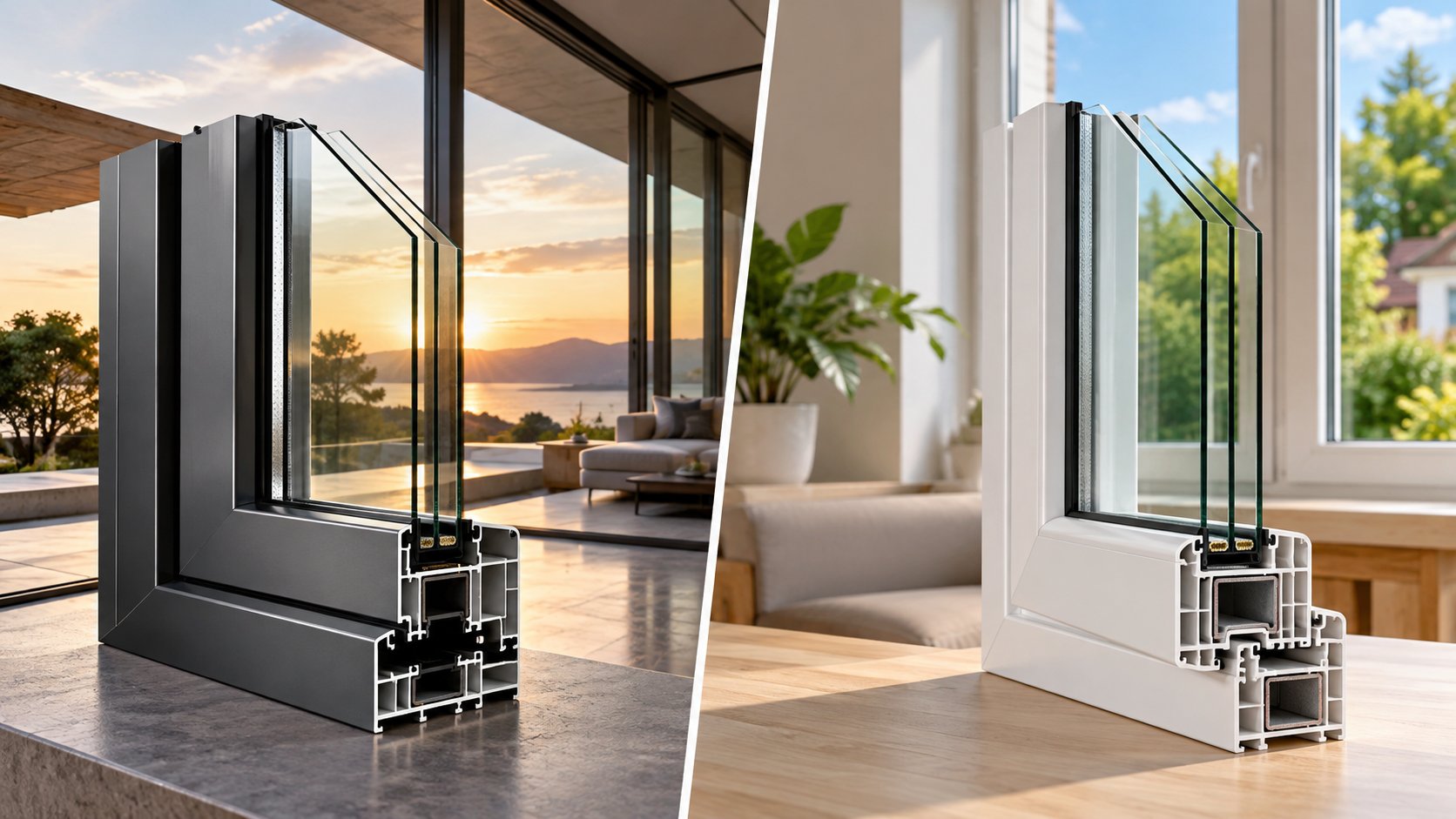
This compatibility issue goes beyond locks and handles. In aluminum-framed sliding systems, glazing thickness, sash dimensions and profile details can vary between designs, so reviewing the specifications of aluminum sliding windows can also help when assessing compatible components or glazing requirements.
A little patience goes a long way. I always say: “Treat your door like a piece of furniture, not just hardware.”
My Personal Take as an Interior Architect
I’ve worked on high-end villas, modest apartments, and commercial projects. Sliding doors appear everywhere. And honestly, the lock and handle are the smallest parts of the system, yet they control the entire user experience. Nothing frustrates a homeowner more than a door that doesn’t close properly. Personally, I think investing in good-quality hardware pays back tenfold. It’s not just about safety; it’s about how your home feels every day.
Final Thoughts
Fixing a sliding glass door lock or handle isn’t as intimidating as it seems. With the right tools, a careful approach, and some insider tips, you can restore your door to perfect working order. Whether you decide to tighten screws, clean and lubricate, or replace the lock entirely, the process is manageable. And if you ever feel stuck, don’t hesitate to bring in a professional. At the end of the day, your home deserves that care.
If you found this guide helpful, I’d love to hear your experiences—have you tried fixing your sliding door before? Share your thoughts in the comments or pass this article along to someone who might need it.




Leave a Reply
You must be logged in to post a comment.