
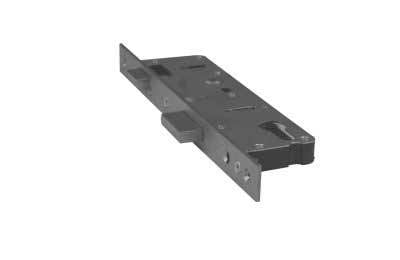
What is a Mortise Lock and Why Should You Use Mortise Locks?
What is a Mortise Lock and Why Should You Use Mortise Locks?
A mortise lock is a heavy-duty locking system installed inside a pocket cut into the door, offering superior security, durability, and design flexibility for residential and commercial spaces.
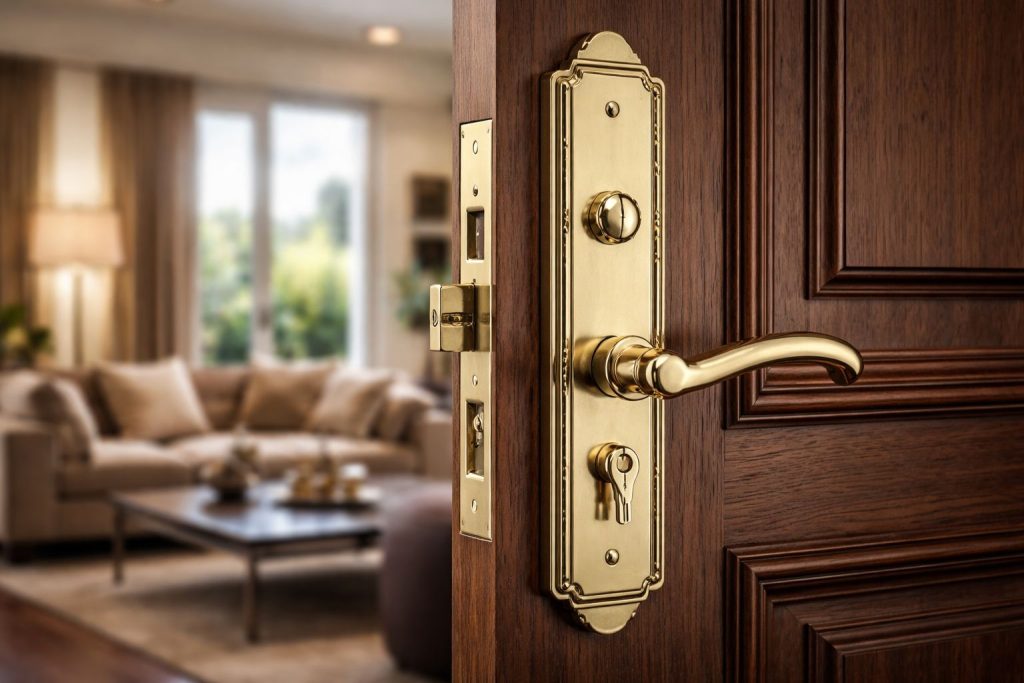
When it comes to door security, most of us focus on what we can see: the handle, the finish, the style. But the real strength of a door often lies hidden inside it. That’s where the mortise lock comes in. If you’ve ever wondered why high-end homes, boutique hotels, or commercial buildings rely on a different kind of lock than standard cylindrical ones, you’re in the right place.
In this guide, we’ll explore what a mortise lock is, how it works, why architects and builders prefer it, and whether it’s the right choice for your project. I’ll keep it technical where needed, but clear enough so that you don’t need to be a locksmith to follow along.
What Is a Mortise Lock?
A mortise lock is a type of lockset that is installed into a pocket (called a “mortise”) cut into the edge of a door. Instead of being mounted through simple drilled holes like cylindrical locks, the mortise lock body sits inside the door itself.
The word “mortise” comes from traditional woodworking. It refers to a cavity cut into a piece of material to receive another component. In this case, the cavity holds the lock body securely within the door structure.
Main Components of a Mortise Lock
A typical mortise lock system includes:
- Lock body (lock case) – The internal mechanism inserted into the door.
- Latch bolt – The spring-loaded bolt that retracts when you turn the handle.
- Deadbolt – A solid bolt that provides additional security when locked.
- Spindle – Connects the door handles or levers through the lock body.
- Trim set – The visible hardware: handles, escutcheons, and plates.
- Strike plate – Installed on the door frame to receive the bolt.
What makes mortise locks unique is that multiple functions—latch and deadbolt—are integrated into a single heavy-duty lock case.
How Does a Mortise Lock Work?
At its core, the mechanism is quite logical. When you turn the handle, the spindle rotates and retracts the latch bolt. When you turn the key, the internal cam mechanism extends or retracts the deadbolt.
Because everything is housed inside a solid metal lock body, the system is more robust than many standard tubular locks. The internal components are larger, stronger, and built for frequent use.
In commercial settings, mortise locks often support advanced functions such as:
- Keyed entry
- Privacy function
- Classroom function
- Storeroom function
- Electrified access control integration
That level of flexibility is one reason they’re so widely specified in architectural projects.
Mortise Lock vs. Cylindrical Lock: What’s the Difference?
This is probably the most common comparison people make—and for good reason.
| Feature | Mortise Lock | Cylindrical Lock |
|---|---|---|
| Installation | Requires pocket cut into door | Installed through drilled holes |
| Durability | High, heavy-duty construction | Moderate |
| Security Level | Generally higher | Standard residential security |
| Design Options | Wide trim and handle options | Limited configurations |
| Cost | Higher upfront cost | More budget-friendly |
If you’re working on a premium residential project or a commercial building, mortise locks are often the better long-term investment. For basic interior doors in low-traffic homes, cylindrical locks may suffice.
Why Should You Use Mortise Locks?
1. Superior Security
Because the lock body is embedded inside the door and built from thicker metal components, mortise locks are inherently stronger. The deadbolt mechanism is typically more substantial, making forced entry more difficult.
From what I’ve seen in both residential and hospitality projects, clients who prioritize security almost always lean toward mortise systems.
2. Long-Term Durability
Mortise locks are designed to withstand heavy, repeated use. In high-traffic environments—offices, hotels, schools—this matters a lot. The internal components are engineered for longevity.
In my experience, while the initial investment is higher, maintenance costs tend to be lower over time.
3. Aesthetic Flexibility
One of the underrated advantages of mortise locks is design freedom. Because the internal mechanism is separate from the trim, you can pair the lock body with a wide range of handle styles, finishes, and escutcheon plates.
Architecturally speaking, this is gold. You’re not locked (no pun intended) into a single visual solution.
4. Integrated Latch and Deadbolt
Instead of installing a separate deadbolt above a handle, mortise locks combine both functions into one streamlined system. This results in a cleaner door design and often better alignment.
5. Commercial Grade Options
Many mortise locks are available in ANSI Grade 1 or Grade 2 classifications. Grade 1 locks are the highest standard for commercial use, tested for strength, durability, and cycle performance.
If you’re specifying hardware for a commercial project, this classification is not something you can ignore.
Where Are Mortise Locks Commonly Used?
You’ll frequently see mortise locks in:
- Luxury residential homes
- Boutique hotels
- Office buildings
- Educational facilities
- Healthcare environments
- High-end apartment complexes
They are especially popular in projects where design detail and security need to coexist.
Are There Any Downsides?
To be fair, mortise locks aren’t perfect for every scenario.
Higher Installation Complexity
Cutting a mortise pocket requires precision. It’s not a simple DIY weekend task unless you have proper tools and experience.
Higher Initial Cost
The hardware itself is more expensive than standard cylindrical locks. However, when you factor in longevity and performance, the lifecycle cost often makes sense.
Door Compatibility
Not all doors are thick or solid enough to accommodate a mortise lock. Hollow-core interior doors, for example, may not be suitable.
Are Mortise Locks Suitable for Residential Projects?
Absolutely—especially in high-end or custom homes. If you’re investing in quality doors, premium finishes, and architectural detailing, a mortise lock complements that level of craftsmanship.
That said, for low-budget renovations or simple interior bedroom doors, they may be unnecessary. It really depends on your priorities.
Installation Considerations
If you’re planning to use mortise locks, consider the following:
- Door thickness (typically 1 3/4 inches or more)
- Solid core construction
- Professional installation recommended
- Proper alignment with strike plate
- Compatibility with access control systems if needed
Precision is everything here. Even a few millimeters off can affect smooth operation.
Maintenance and Longevity
Mortise locks generally require minimal maintenance. Occasional lubrication and alignment checks are usually sufficient.
Because internal components are serviceable, many parts can be replaced without removing the entire lock system. This is another reason they’re favored in commercial environments.
Mortise Lock Replacement: When and How Should You Replace It?
Even though mortise locks are known for their durability, nothing mechanical lasts forever. Over time, internal components may wear out, alignment can shift, or security standards may change. The key question is not whether a mortise lock can last long—it absolutely can—but when replacement becomes the smarter option.
When Should You Consider Replacing a Mortise Lock?
In my experience, replacement usually becomes necessary under a few specific conditions:
- Frequent mechanical failure – If the latch sticks or the deadbolt does not extend smoothly.
- Key operation feels rough or inconsistent – This may indicate internal wear.
- Security upgrade is required – Especially when transitioning to high-security cylinders or access control systems.
- After a break-in attempt – Even if the lock still works, structural integrity may be compromised.
- Major renovation projects – When updating door hardware for aesthetic consistency.
Sometimes, what looks like a failing lock is actually an alignment issue between the latch and strike plate. So before replacing the entire unit, it’s worth checking door sagging or frame movement.
Can You Replace a Mortise Lock Without Replacing the Door?
Yes, in most cases you can. Mortise locks are modular. If the door preparation (the mortise pocket) matches standard dimensions, replacing the internal lock body is relatively straightforward for a professional.
However, not all mortise locks share identical dimensions. Backset, faceplate size, and screw alignment can vary between manufacturers. If you’re upgrading to a different brand, some minor door modification might be required.
One advantage here—compared to cylindrical locks—is that high-quality mortise systems often allow you to replace individual components such as the cylinder or trim without changing the entire lock case. That flexibility can reduce long-term maintenance costs.
Mortise Lock Prices and Cost Factors
Let’s talk numbers. Mortise locks are generally more expensive than standard cylindrical locks, but pricing varies widely depending on grade, finish, and functionality.
Average Mortise Lock Price Range
- Basic residential mortise lock: Moderate price range
- Commercial Grade 1 mortise lock: Higher investment level
- Electrified or smart mortise lock systems: Premium pricing tier
The visible trim (handles, plates, finishes) can significantly impact total cost. A brushed stainless steel trim may cost far less than a custom bronze or architectural brass finish.
Main Cost Factors
Several variables influence the final price of a mortise lock system:
- ANSI grade classification (Grade 1, 2, or 3)
- Material quality (solid brass, stainless steel, zinc alloy)
- Finish type (matte black, satin chrome, antique brass, etc.)
- Security level (standard cylinder vs high-security cylinder)
- Smart or electrified features
- Installation labor
From what I’ve seen in commercial projects, labor can represent a meaningful portion of the total investment. Mortise lock installation requires precision, and skilled installation ensures long-term performance.
Is the Higher Cost Justified?
Short answer: in many cases, yes.
If you calculate lifecycle value rather than upfront cost, mortise locks often make financial sense. They typically last longer, require fewer replacements, and provide stronger security. In high-traffic or security-sensitive environments, that reliability translates into real savings over time.
For a luxury residential project, the aesthetic and tactile quality alone can justify the investment. There’s a noticeable difference in how a solid mortise handle feels compared to lighter alternatives. You can actually feel the engineering behind it.
Ultimately, the decision depends on your project scope, security expectations, and budget strategy. But if durability and performance are high priorities, mortise locks are rarely a compromise.
TGP Mortise Locks
TGP offers many solutions in order to fullfill different aspects and inquiries from its customers.
TGP provides mortise lock for PVC and Aluminum Joineries;
* TGP Focus Mortise Lock, PVC, 85mm
* TGP Focus Mortise Lock, PVC, 92mm
* TGP Focus Mortise Lock, PVC, with roller
* TGP Focus Interior Mortise Lock, PVC
* TGP Focus WC/ Bathroom Mortise Lock, PVC and ofcourse locking plates for multipoint door locks.

Parts of Mortise lock
Below are the componenst of mortise lock.
- Latch
- Bolt
- Spindle
- Cover
- Barrel hole
- Plate

Handle
To review TGP handles, please click here.
Cylender
To review TGP Cylinders, Please click here.
You can get help from our Whatsapp Support Line for your questions.
Frequently Asked Questions (FAQ)
What is the main advantage of a mortise lock?
The main advantage is superior security and durability due to its heavy-duty internal construction.
Are mortise locks more secure than cylindrical locks?
Yes, generally mortise locks offer higher resistance to forced entry and wear.
Can mortise locks be installed on any door?
No, the door must be thick and solid enough to accommodate the mortise pocket.
Are mortise locks suitable for residential use?
Yes, especially in high-end or custom homes where durability and design matter.
Why are mortise locks more expensive?
They use heavier materials, more complex mechanisms, and offer greater longevity.
Do mortise locks require professional installation?
In most cases, yes. Proper cutting and alignment are critical for performance.



Leave a Reply
You must be logged in to post a comment.