

How to Enclose a Balcony: A Complete Guide
Have you ever looked at your balcony and imagined it as a cozy little room — a quiet reading corner, a winter garden, or even a small home office? If so, you’re not alone. Many homeowners and apartment residents are turning their balconies into livable spaces, blending indoor comfort with outdoor charm. As an interior architect, I’ve seen how well-planned balcony enclosures can completely transform a home’s character. Let’s dive deep into how you can achieve that — practically, stylishly, and sustainably.

1. Understanding the Purpose: Why Enclose Your Balcony?
Before you begin, it’s important to clarify your goal. Are you seeking to expand your living area? Protect the space from harsh weather? Reduce street noise? Or perhaps you simply want more privacy. Each purpose influences the materials, frame style, and glazing method you’ll choose. Personally, I believe the best balcony projects start not with design sketches, but with questions like, “What do I really want from this space?”
- Weather protection: Keeps wind, rain, and dust out, extending balcony usability year-round.
- Noise insulation: Especially valuable for urban apartments near busy streets.
- Thermal efficiency: High-quality enclosures improve indoor insulation, saving energy.
- Privacy & safety: Ideal for families with children or pets.
Knowing your main objective helps you design a balcony that doesn’t just look beautiful, but genuinely serves your lifestyle.
2. Choosing the Right Type of Balcony Enclosure
When it comes to enclosing a balcony, there’s no one-size-fits-all approach. From minimalist frameless glass systems to robust aluminum structures, the options are vast — and each has its own strengths. Let’s take a closer look at the most common types you can consider.
• Frameless Glass Systems
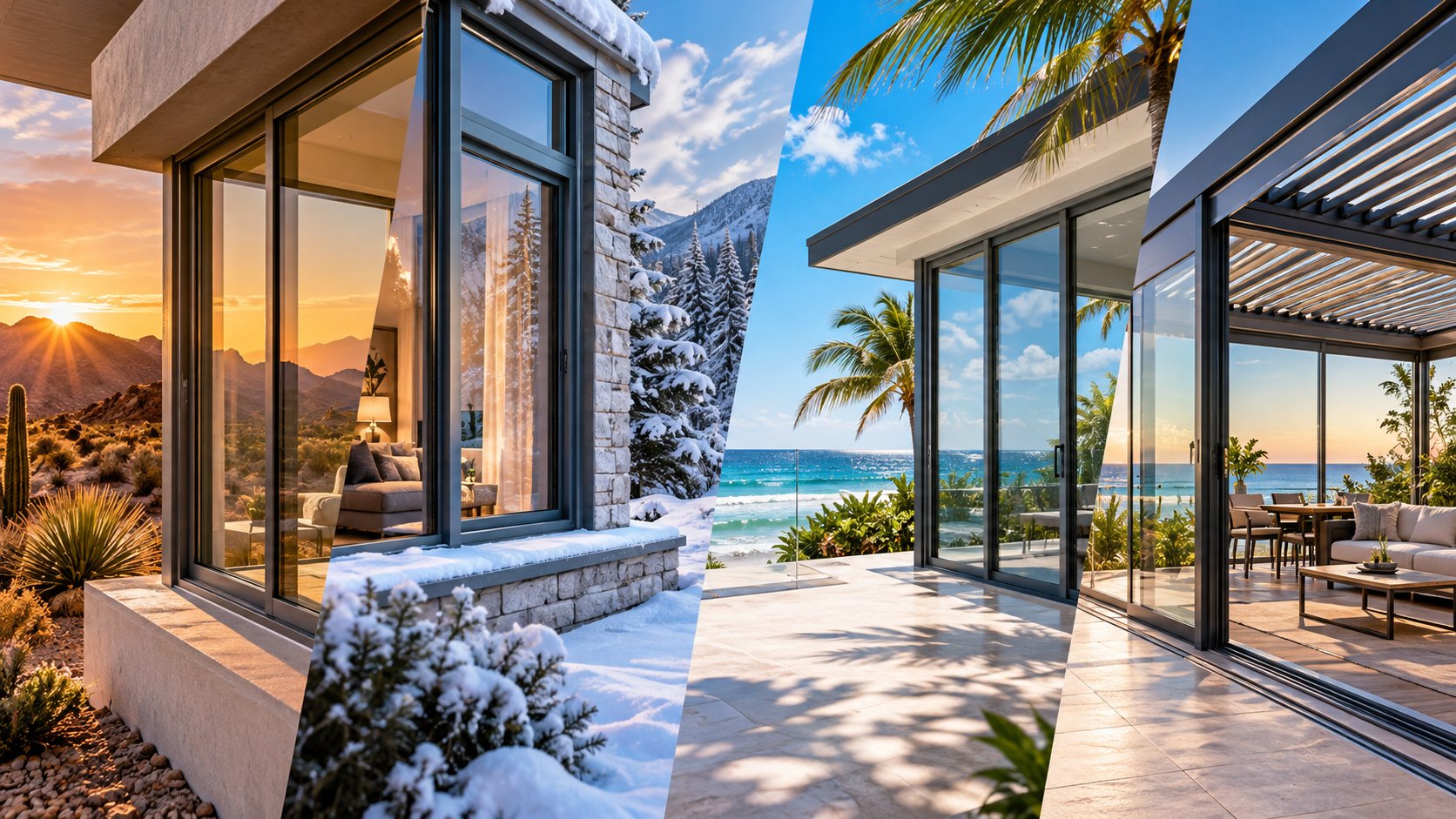
These are perfect for those who want to preserve the view. Frameless glass panels slide or fold neatly, maintaining an open feel while protecting against weather elements. In modern architecture, they’re favored for their clean aesthetics and seamless integration with the façade.
• Aluminum Framed Enclosures
As an architect, I often recommend aluminum systems for long-term durability. They’re lightweight, corrosion-resistant, and suitable for both modern and traditional buildings. Powder-coated finishes also allow for aesthetic flexibility — from matte black to natural silver tones. If you’re after a balance of strength and elegance, an balcony enclosures system with aluminum framing is a smart investment.
• Hybrid Systems (Glass + Aluminum)
For those who want the transparency of glass and the structural integrity of metal, hybrid systems are ideal. They combine the light transmission of frameless panels with the stability of a slim aluminum frame — often used in high-rise projects where wind pressure is a consideration.
Many of the same drainage, sealing and opening principles used in glass enclosures also apply when a balcony is converted into a protected living area.
3. Design Considerations: Form Meets Function
This is where the creative part begins. A balcony enclosure is not just about enclosing space — it’s about redefining it. Here are a few design elements to think through carefully:
- Lighting: Natural light is your greatest ally. Consider how sunlight moves throughout the day and position glass panels accordingly.
- Ventilation: Include operable sections or sliding panels to maintain air circulation.
- Flooring: Choose moisture-resistant materials like porcelain tiles or treated wood for durability and warmth.
- Color palette: Match tones with your interior design theme for a seamless indoor-outdoor transition.
I’ve seen balconies turn into stunning reading corners just by adding warm lighting and soft textures. Think of your balcony as a “micro-interior” — every detail matters.
4. Selecting the Right Materials
Material selection determines not only the appearance but also the lifespan and maintenance of your enclosure. Here’s a breakdown based on functionality and style:
| Material | Advantages | Ideal For |
|---|---|---|
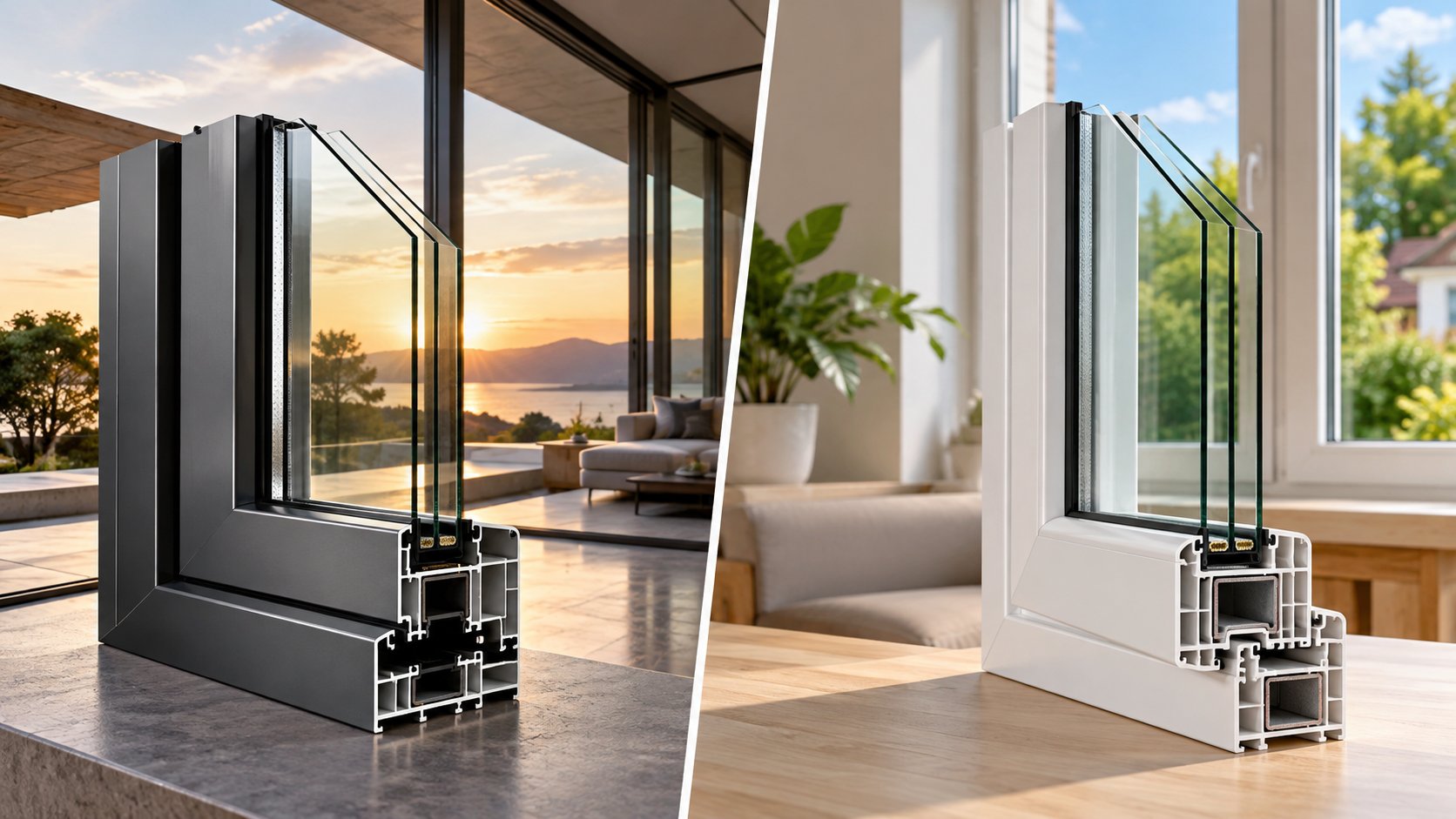
| Aluminum | Lightweight, corrosion-resistant, customizable colors | Modern homes, high-rise apartments |
| Glass (Tempered/Laminated) | Transparency, weather resistance, sound insulation | Panoramic views, minimalist design |
| uPVC | Low maintenance, affordable, energy-efficient | Residential projects on a budget |
| Wood (Composite) | Natural warmth, aesthetic appeal | Rustic or bohemian balcony styles |
5. Installation Process: Step-by-Step Overview
Enclosing a balcony may sound complex, but with the right planning, it’s surprisingly straightforward. Below is a simplified version of the process used in most professional installations:
- Site Assessment: Measure the balcony’s structure, verify load-bearing capacity, and inspect for water drainage.
- Design Finalization: Choose enclosure type, color, glazing thickness, and hardware.
- Frame Installation: Aluminum or uPVC frames are anchored to the balcony slab and ceiling beams with weather-proof sealants.
- Glass Fitting: Panels are carefully mounted, ensuring tight sealing and smooth sliding or folding motion.
- Finishing Touches: Apply insulation strips, rubber seals, and trims for a neat look.
- Testing & Cleaning: Open and close the panels several times to check alignment and functionality.
Although DIY enthusiasts can attempt smaller enclosures, I’d recommend working with certified professionals — especially for high balconies or complex glass systems. Safety and durability always come first.
6. Legal and Structural Considerations
Depending on where you live, enclosing a balcony might require municipal permission or homeowners’ association approval. In some cities, even slight modifications to building exteriors are subject to inspection. It’s best to consult a licensed architect or engineer before beginning work. I’ve had clients overlook this step, only to face costly removals later — don’t make that mistake.
7. Balancing Aesthetics and Functionality
An enclosed balcony should enhance your home’s design, not look like an afterthought. Harmony between the original façade and new materials is essential. Aluminum systems, for instance, blend effortlessly with both modern glass architecture and classical stone exteriors. Try using subtle colors that complement your building rather than contrast too strongly. Remember: good design is invisible — it feels natural, not forced.
8. Cost Factors and Budget Planning
Let’s be honest — enclosing a balcony is an investment. Costs vary depending on material quality, glazing type, and system size. On average, aluminum glass systems are pricier than uPVC options but pay off long-term with better aesthetics and minimal maintenance. When I guide clients, I always suggest budgeting for premium hardware and seals — these small components make a huge difference in durability and insulation performance.
9. Interior Styling After Enclosure
Once your balcony is enclosed, the fun begins: interior styling. Add life to the space with soft furnishings, indoor plants, or small furniture pieces. Consider multipurpose setups — like a foldable desk for work or a bench with hidden storage. The enclosed balcony often becomes a favorite spot at home, precisely because it’s both intimate and open to the world outside.
10. Maintenance and Longevity
Modern balcony enclosures require surprisingly little upkeep. Still, a few small habits can extend their lifespan significantly:
- Clean glass panels with a neutral detergent — avoid abrasive chemicals.
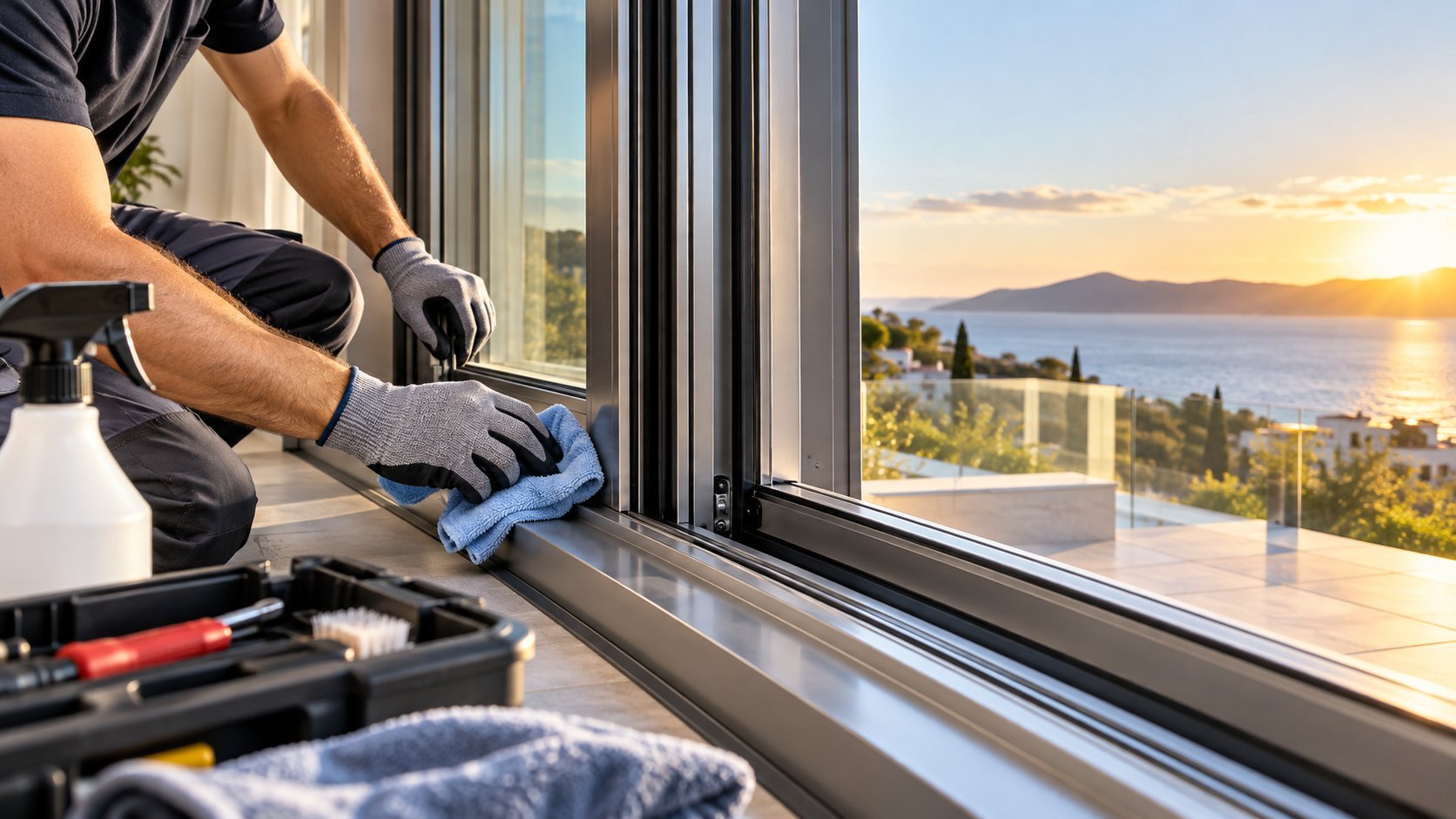
- Lubricate sliding or folding tracks twice a year.
- Check sealing strips after each winter for cracks or wear.
- Keep water drainage channels free of dust and debris.
Simple maintenance means your balcony will remain as stunning in ten years as it was the day you enclosed it.
11. Sustainability and Energy Efficiency
Energy-efficient balcony systems are not just a design trend — they’re part of a sustainable lifestyle. Double-glazed or low-E glass can reduce heat loss by up to 40%, while aluminum frames with thermal breaks improve insulation further. These small technical details might not be visible, but they drastically influence comfort and environmental impact.
If the goal is a genuinely insulated room for all-season use, the balcony design should be developed as a winter garden system rather than a simple wind screen.
12. Final Thoughts: Transforming Spaces, Enhancing Lives
To me, a balcony enclosure is more than just a renovation — it’s a transformation. It’s about reclaiming an underused area and turning it into something meaningful. Whether it becomes a mini greenhouse, a reading nook, or a serene retreat, the key lies in thoughtful design and quality materials.
If you’re planning your own project, start by visualizing how you’d like to feel in that space. Warm sunlight in the morning? A quiet escape at night? Once you have that vision, everything else — the structure, materials, even lighting — falls naturally into place.
And if you’d like to explore innovative, durable, and aesthetically refined systems, I’d suggest checking out the range of balcony enclosure solutions at TGP Systems — engineered with precision, designed with passion.
Ready to start your transformation?
Now that you know how to enclose a balcony efficiently and beautifully, why not begin planning your own? Share your thoughts below — how would you use your enclosed balcony? I’d love to hear your ideas!


Leave a Reply
You must be logged in to post a comment.