

Winter Porch Enclosures: A Complete Architectural Guide
Winter Porch Enclosures: A Complete Architectural Guide
Winter porch enclosures transform open porches into insulated, light-filled spaces you can enjoy comfortably throughout the coldest months of the year.
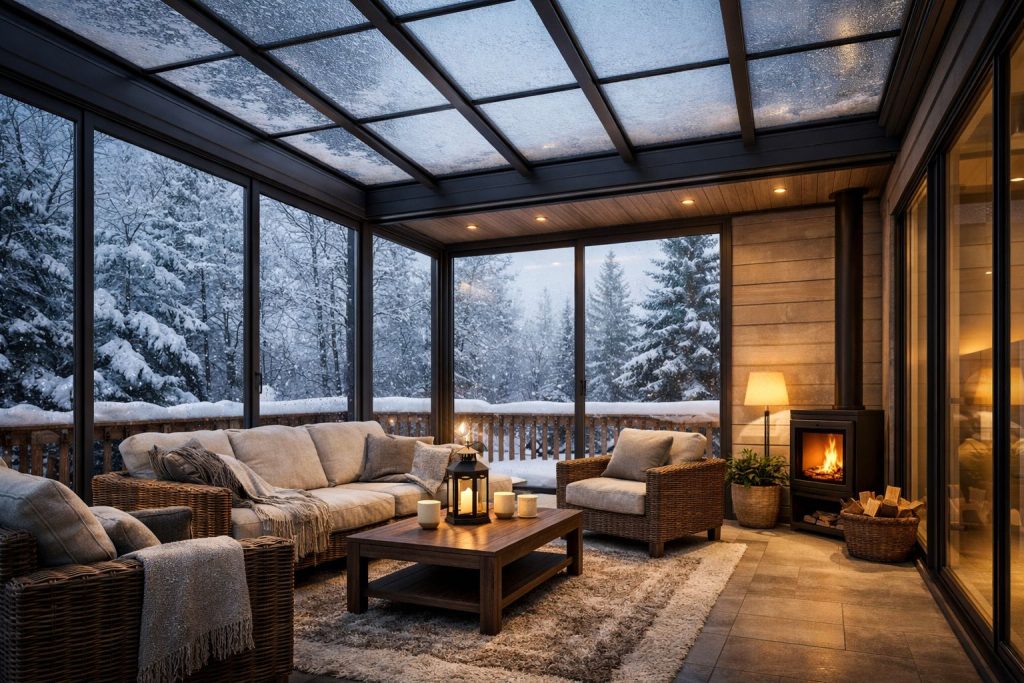
There is something deeply satisfying about sitting in a bright porch while it’s freezing outside. Snow falling. Wind brushing against the glass. And you, comfortably inside a warm, protected space that still feels connected to nature. That, in essence, is what winter porch enclosures are designed to achieve.
Over the years, I’ve seen homeowners approach porch enclosure projects with excitement — and a fair amount of confusion. Materials, insulation levels, glass systems, building codes… it can quickly feel overwhelming. So let’s slow it down and walk through everything you truly need to know, from design principles to structural considerations and cost factors.
What Is a Winter Porch Enclosure?
A winter porch enclosure is a structural system that converts an existing porch, patio, or veranda into a protected, insulated space usable during colder months. Unlike simple screen enclosures, winter-ready systems are engineered to resist wind, snow loads, and low temperatures.
In practical terms, this means:
- Insulated framing systems (often aluminum or thermally broken profiles)
- Double or triple-glazed glass panels
- Weather-sealed doors and sliding systems
- Optional integrated heating solutions
The goal isn’t just “closing off” a space. It’s creating a controlled microclimate that extends your living area beyond interior walls.
Why Homeowners Invest in Winter Porch Enclosures
If you’re researching this topic, chances are you want more than aesthetics. You want functionality. Here are the main reasons homeowners decide to enclose their porch for winter use.
1. Year-Round Living Space
A properly designed enclosure essentially adds a new room to your home. It can function as:
- A winter sunroom
- A reading lounge
- A dining extension
- A home office with natural light
- A relaxation or spa corner
Personally, I think the biggest luxury isn’t the extra square footage — it’s the light. Winter days feel longer and brighter in a glazed porch space.
2. Energy Efficiency Buffer Zone
When well-insulated, a winter porch enclosure can act as a thermal buffer between outdoor cold and your main living area. This reduces direct exposure to wind and helps minimize heat loss from interior walls.
In colder climates especially, this transition zone can make a noticeable difference in heating performance.
3. Increased Property Value
High-quality enclosed porches are perceived as premium upgrades. They enhance architectural appeal and usable area — two key factors that impact property valuation.
Of course, quality matters. A poorly executed enclosure can have the opposite effect.
Key Design Components of a Winter Porch Enclosure

Now we’re getting into the technical side — but I’ll keep it digestible.
Structural Framing Systems
Most modern winter porch enclosures use aluminum framing systems. Why aluminum? Because it offers:
- High structural strength
- Corrosion resistance
- Minimal maintenance
- Slim profiles for maximum glass area
However — and this is important — not all aluminum systems are equal. For winter applications, thermally broken aluminum profiles are strongly recommended. These include an insulating barrier within the frame that reduces heat transfer.
Without thermal breaks, condensation and heat loss become real issues. And that’s not something you want to discover mid-January.
Glazing Options
Glass selection defines comfort levels.
Common glazing choices include:
- Double-glazed insulated glass units (IGUs)
- Triple glazing for extreme climates
- Low-E coated glass for improved thermal performance
- Laminated safety glass for durability
If you live in a region with significant snowfall or freezing temperatures, triple glazing might feel excessive at first glance — but long-term comfort often justifies it.
Roof Systems
Roofing for winter porch enclosures must handle snow loads and thermal insulation simultaneously.
Common options include:
- Insulated aluminum roof panels
- Polycarbonate multiwall roofing (with insulation)
- Fully glazed glass roofs (with structural reinforcement)
Fully glazed roofs look spectacular — I won’t deny that — but they require careful engineering to avoid condensation and heat loss issues.
Insulation and Thermal Performance
This is where many projects either succeed beautifully… or fall short.
True winter usability depends on three factors:
- U-value of glazing and frames
- Air tightness and sealing quality
- Floor insulation (often overlooked)
If your porch floor is concrete without insulation, the space may still feel cold even with high-performance glass. Sometimes adding insulated subfloor systems or radiant heating makes all the difference.
I’ve seen homeowners invest heavily in premium glazing while ignoring the floor. Big mistake.
Heating Solutions for Enclosed Porches
Even with strong insulation, supplemental heating is often necessary.
Options include:
- Electric panel heaters
- Infrared heaters
- Underfloor heating systems
- Ductless mini-split systems
Underfloor heating is arguably the most comfortable solution. It distributes warmth evenly and eliminates cold surface sensations. Slightly higher upfront cost, yes — but in my experience, it elevates the entire space.
Ventilation and Condensation Control
Winter enclosures must breathe — just not too much.
Condensation can develop when warm indoor air meets cold glass surfaces. To manage this:
- Install trickle vents or micro-ventilation systems
- Use thermally broken frames
- Ensure proper humidity control indoors
Balanced airflow prevents mold, protects materials, and maintains indoor comfort.
Building Codes and Permits
Depending on your region, enclosing a porch may require permits. Structural modifications, electrical installations, and heating systems typically fall under building regulations.
It’s always wise to verify:
- Local zoning requirements
- Snow load calculations
- Energy compliance standards
Skipping this step might save time initially, but it can create legal and resale complications later.
Cost of Winter Porch Enclosures
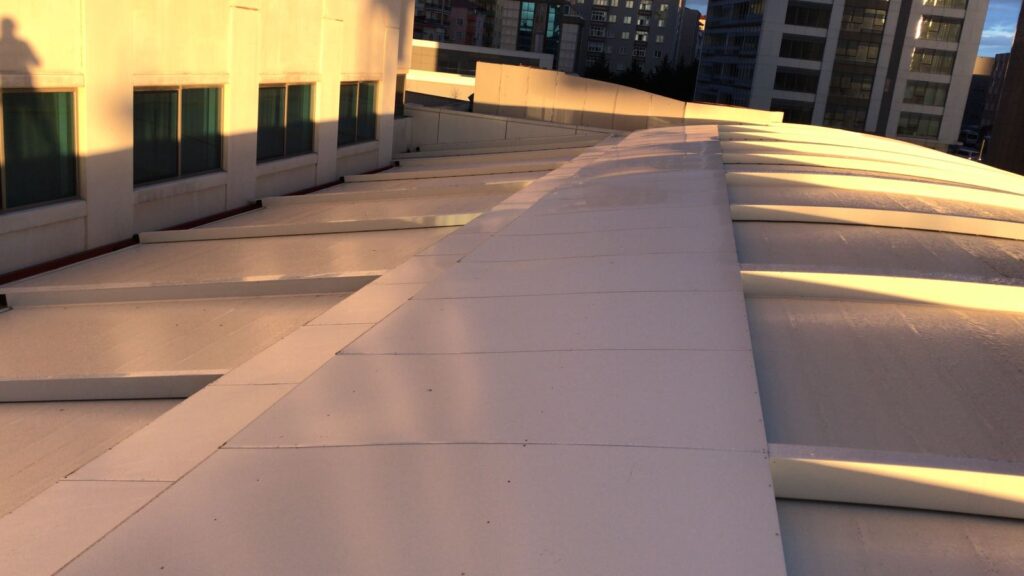
Let’s address the question most people quietly have in mind: How much does it cost?
Prices vary widely based on size, materials, glazing type, and heating integration.
| Component | Impact on Cost |
|---|---|
| Thermally broken aluminum frames | Moderate to high |
| Triple glazing | High |
| Insulated roofing systems | Moderate |
| Underfloor heating | High |
| Basic electric heating | Low to moderate |
In general, a fully winterized porch enclosure is a mid-to-high investment project. But when designed properly, it becomes one of the most enjoyable spaces in the home.
Design Tips for a Seamless Architectural Integration
This part matters more than people think.
An enclosure shouldn’t look “added on.” It should feel intentional.
- Match frame color with existing window systems
- Maintain consistent roof lines
- Consider minimalist profile systems for modern homes
- Integrate lighting subtly into structural beams
From an architectural standpoint, harmony is everything.
Common Mistakes to Avoid
- Choosing non-insulated frames for cold climates
- Ignoring floor insulation
- Underestimating snow load requirements
- Overlooking ventilation
- Using residential sliding systems not rated for winter conditions
Small shortcuts can turn into expensive corrections. I’ve seen it happen.
Is a Winter Porch Enclosure Right for You?
If you love natural light. If you want to extend your home outward. If you value comfort during colder months. Then yes — it likely is.
But it’s not just about enclosing a space. It’s about designing it correctly from the start.
Done properly, a winter porch enclosure becomes more than a room. It becomes a retreat.
Frequently Asked Questions (FAQ)
Can a porch enclosure be used year-round?
Yes, if it includes insulated frames, double or triple glazing, and supplemental heating.
Do winter porch enclosures add home value?
High-quality, permitted enclosures typically increase property appeal and resale value.
Is planning permission required?
In many regions, yes. Structural and heated enclosures often require permits.
What is the best glazing for cold climates?
Triple-glazed Low-E insulated glass offers the highest thermal performance.
How do you prevent condensation?
Use thermally broken frames, proper ventilation systems, and humidity control.
Are aluminum porch enclosures durable?
Yes. High-grade aluminum systems are corrosion-resistant and structurally strong.
Final Thoughts
A winter porch enclosure isn’t just an architectural upgrade. It’s a lifestyle enhancement. When thoughtfully designed with proper insulation, structural integrity, and aesthetic harmony, it becomes one of the most beloved spaces in the home.
If you’re considering enclosing your porch for winter use, take your time. Plan carefully. Invest wisely. And when it’s finished, I suspect you’ll wonder how you ever lived without it.
If this guide helped clarify your decision, feel free to share it or leave a comment with your questions — I’d genuinely love to hear your thoughts.



Leave a Reply
You must be logged in to post a comment.