

Window Handle Locks Guide: How To Select The Right Product?
Window Handle Locks Guide: How To Select The Right Product?
Choosing the right window handle lock improves security, child safety, and energy efficiency while matching your window type and daily usage needs.
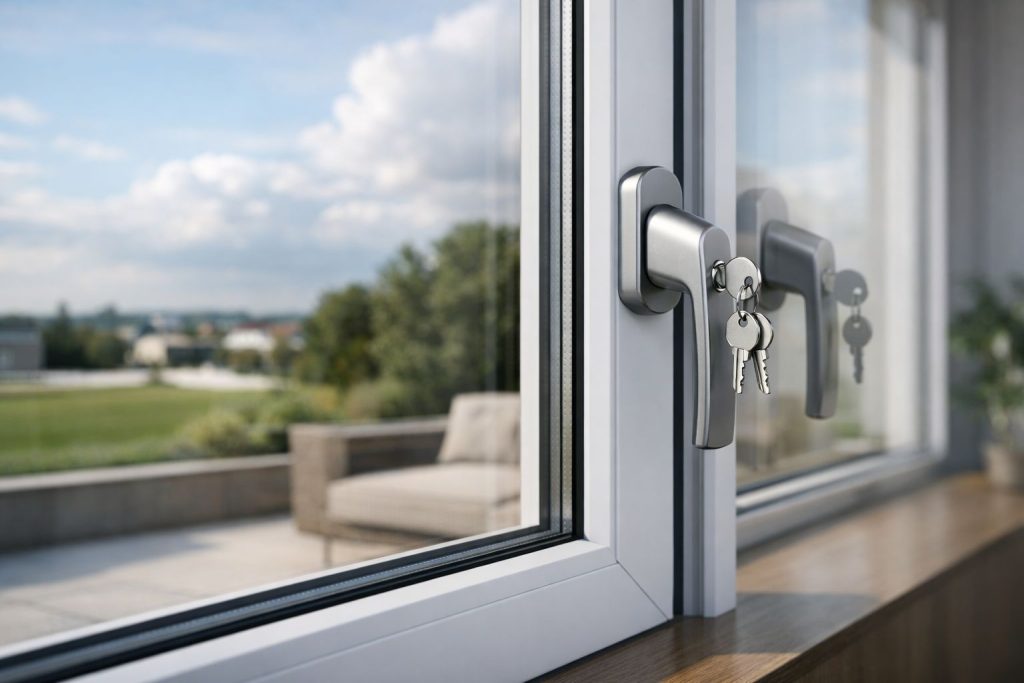
When we talk about window security, most people immediately think about reinforced glass or high-grade window frames. Fair enough. But in my experience, one of the most overlooked components is the window handle lock. It may look like a small detail, yet it plays a surprisingly big role in safety, insulation performance, and even user comfort.
If you’re currently researching window handle locks, chances are you’re either upgrading existing windows, specifying products for a new project, or simply trying to improve home security. Whatever your reason, this guide will walk you through everything you need to know — clearly, practically, and without unnecessary jargon.
Why Window Handle Locks Matter More Than You Think
A window handle is not just a grip to open and close a sash. In modern systems, especially aluminum and uPVC windows, the handle integrates with a multi-point locking mechanism. When you turn the handle, internal locking points engage along the frame.
Add a lock to that handle, and you introduce controlled access. That means:
- Improved burglary resistance
- Enhanced child safety
- Controlled ventilation (especially in tilt-and-turn systems)
- Compliance with certain building safety standards
Honestly, I’ve seen projects where high-performance glazing was specified, but the handle lock was an afterthought. That’s a mistake. Security is only as strong as its weakest component.
Types of Window Handle Locks
1. Keyed Window Handle Locks
This is the most common type. A small key locks the handle in place, preventing rotation.
Best for:
- Ground-floor windows
- Rental properties
- Homes with children
Keyed locks provide strong deterrence. However, you’ll need to manage keys properly. Losing them can be inconvenient, especially in large residential or commercial projects.
2. Push-Button Locking Handles
These require pressing a button before turning the handle. Some models auto-lock when closed.
They’re practical for daily use, particularly where quick ventilation access is needed. In my opinion, they strike a nice balance between security and usability.
3. Tilt-and-Turn Locking Handles
Specifically designed for tilt-and-turn windows, these handles often integrate lock cylinders. Since tilt-and-turn systems allow two opening modes, the locking function ensures both positions are controlled.
If you’re specifying European-style windows, this type is almost essential.
4. Restricted Window Handles
These are designed to limit how far a window opens. Often used in schools, hospitals, and multi-storey residential buildings, they reduce fall risks while maintaining ventilation.
Safety regulations in some regions actually require restricted opening angles in certain building types.
Window Handle Lock Materials: What Should You Look For?
Material choice affects durability, corrosion resistance, and aesthetic consistency with your window system.
Aluminum
Lightweight, corrosion-resistant, and ideal for modern architectural designs. Powder-coated aluminum handles offer long-term durability.
Zinc Alloy
Common in mid-range products. Offers strength at a competitive cost.
Stainless Steel
Highly durable and corrosion-resistant. Perfect for coastal areas where salt exposure is a concern.
Personally, for projects near the sea, I always lean toward stainless steel or high-grade coated aluminum. Rust is not something you want to deal with after installation.
Understanding Window Compatibility
Not all window handle locks fit every window. This is where many buyers get confused.
Spindle Length
The spindle connects the handle to the locking mechanism inside the window. It must match the window profile depth.
Too short? It won’t engage properly. Too long? It may damage the mechanism.
Fixing Centers
This refers to the distance between screw holes. Common sizes include 43mm for uPVC windows, but always measure before purchasing.
Window Type
- Casement windows
- Tilt-and-turn windows
- Sliding windows
- Awning windows
Each system may require a specific handle design. Don’t assume universal compatibility — because it rarely exists.
Security Ratings and Standards
If security is your main priority, look beyond appearance. Focus on tested performance.
Some important indicators include:
- Resistance to forced entry
- Anti-drill cylinders
- Keyed-alike options for multiple windows
- Compliance with regional safety standards
In higher-end residential projects, especially villas or multi-unit housing, specifying certified hardware is simply good practice.
Child Safety Considerations
If you have children — or your clients do — this part really matters.
Window handle locks can prevent accidental falls by:
- Limiting opening angles
- Requiring a key for full opening
- Ensuring the window cannot be opened unsupervised
As designers and builders, we often focus on aesthetics and performance, but safety… safety is non-negotiable.
Design and Aesthetic Integration
Security doesn’t have to look industrial.
Modern window handle locks are available in:
- Matte black
- Brushed nickel
- Chrome
- White
- Anodized finishes
Matching the handle finish with window frames and interior hardware creates visual harmony. Small details, yes — but they elevate the overall architectural impression.
Ease of Installation and Maintenance
Some window handle locks are designed for quick retrofitting. Others require partial disassembly of the sash.
Before purchasing, consider:
- Is this a new build or renovation?
- Will installation be DIY or professional?
- Are spare parts easily available?
Maintenance is typically minimal. Occasional lubrication and checking screw tightness is enough in most cases.
Price vs Performance: Finding the Right Balance
Window handle locks vary significantly in price.
| Category | Typical Use | Durability | Security Level |
|---|---|---|---|
| Basic | Low-risk areas | Moderate | Standard |
| Mid-Range | Residential homes | High | Enhanced |
| Premium | Luxury & high-security projects | Very High | Advanced |
In my experience, mid-range certified products often provide the best value. Ultra-cheap options tend to compromise either durability or locking strength.
Common Mistakes to Avoid
- Ignoring spindle measurement
- Choosing style over security
- Overlooking corrosion resistance
- Buying non-certified hardware for high-risk areas
- Failing to consider child safety
Honestly, most of these issues are preventable with just a bit of research — which you’re already doing, so that’s a good sign.
How To Select The Right Window Handle Lock: Step-by-Step
- Identify your window type and profile system.
- Measure spindle length and fixing centers accurately.
- Determine your primary need: security, child safety, or convenience.
- Check material suitability based on environment.
- Review certification and security ratings.
- Choose a finish that complements your design.
- Confirm installation compatibility.
Take your time with these steps. A rushed purchase may cost more in the long run.
Frequently Asked Questions (FAQ)
Do all window handles come with locks?
No. Many standard handles do not include locking mechanisms. Always check product specifications before purchasing.
Can I replace a non-locking handle with a locking one?
Yes, in most cases. As long as spindle size and fixing centers match, replacement is straightforward.
Are window handle locks enough for full home security?
They significantly improve window security but should be combined with quality glazing and frame systems.
What is the ideal material for coastal areas?
Stainless steel or high-grade coated aluminum is recommended due to corrosion resistance.
Are keyed locks safer than push-button locks?
Generally, yes. Keyed locks provide higher control, especially against unauthorized access.
How do I measure spindle length?
Remove the handle and measure the metal rod from the base of the handle to the tip.
Can window handle locks improve energy efficiency?
Indirectly, yes. Proper locking ensures tighter sealing, which reduces air leakage.
Are restricted window handles mandatory in certain buildings?
In some regions, yes. Especially in schools, healthcare facilities, and high-rise residential units.
Final Thoughts
Window handle locks may seem like a minor hardware component, but they influence security, safety, and overall performance more than most people realize. From my perspective, investing a little extra time in selecting the right product is always worth it.
If you’re specifying for a project, upgrading your home, or advising a client, treat the handle lock as part of the system — not an accessory. And if you have specific questions or experiences to share, feel free to leave a comment. Let’s exchange insights and build safer, smarter window solutions together.
5 responses to “Window Handle Locks Guide: How To Select The Right Product?”
Leave a Reply
You must be logged in to post a comment.



The assortment helped me find everything we were looking for. Now Im going to send order by e mail
Thank you for choosing us, we are always happy to serve you.
Are there shafts and screws in the window handles you sent?
Dear Sir, Yes we put all together while production.
Sent with screws. I did it by looking at youtube videos. I’ll update my review after long term use.