
What Is Tempered Glass? Where Is It Used?
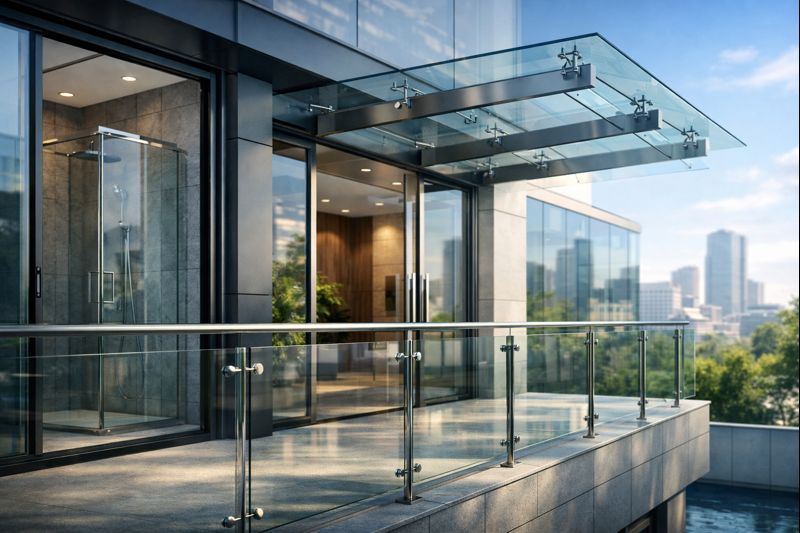
Tempered glass is a safety-focused glass type designed to be stronger, more durable, and far safer than standard glass in everyday architectural use.
Walk through a modern building—an office lobby, a shopping mall, even a private home—and chances are you are surrounded by tempered glass. Doors, façades, partitions, balconies, shower enclosures… it’s everywhere. And honestly, that’s no coincidence. From what I’ve seen over the years in architectural projects, tempered glass has quietly become one of the most trusted materials in contemporary construction.
In this guide, I want to walk you through what tempered glass actually is, how it’s made, why architects rely on it so heavily, and where it truly performs best. No overcomplicated jargon, no marketing fluff—just clear, practical information you can actually use.
What Is Tempered Glass?
Tempered glass, sometimes referred to as toughened glass, is a type of safety glass that undergoes a controlled thermal or chemical treatment to significantly increase its strength compared to regular (annealed) glass.
The key difference lies in how it behaves under stress. Normal glass breaks into large, sharp shards—dangerous and unpredictable. Tempered glass, on the other hand, is engineered to shatter into small, relatively blunt pieces. This dramatically reduces the risk of serious injury.
In simple terms: it’s glass that’s been trained to fail safely.
How Tempered Glass Is Manufactured
The production process is where the real magic happens. After the glass is cut to its final size (this part is important), it is heated to extremely high temperatures—typically around 620–680°C.
Once it reaches this heat level, the glass is rapidly cooled using high-pressure air jets. This sudden cooling creates a unique stress pattern:
- The outer surfaces are forced into compression
- The inner core remains in tension
This internal structure is what gives tempered glass its impressive mechanical strength and impact resistance.
And here’s a crucial detail many people overlook: once glass is tempered, it cannot be cut, drilled, or reshaped. Any attempt to do so will cause it to shatter instantly. That’s why precise planning is absolutely essential before tempering.
Why Tempered Glass Is Stronger Than Standard Glass
On average, tempered glass is about four to five times stronger than annealed glass of the same thickness. That’s not a marketing claim—it’s a result of physics.
Because the surface is under compression, it resists cracks and impacts far better. Minor scratches or surface stresses that would normally cause cracks in regular glass simply don’t propagate the same way in tempered glass.
From a practical standpoint, this means:
- Better resistance to accidental impacts
- Higher tolerance to temperature differences
- Safer breakage behavior in case of failure
In real-world architectural applications, this strength translates directly into reliability—and peace of mind.
Key Safety Advantages of Tempered Glass
If I had to summarize why architects and engineers trust tempered glass so much, safety would be at the top of the list.
Shatter Pattern That Reduces Injury
When tempered glass breaks, it disintegrates into small, pebble-like fragments instead of sharp knives of glass. These pieces are far less likely to cause deep cuts.
This characteristic alone makes tempered glass a go-to material in areas where human contact is unavoidable.
Heat and Thermal Shock Resistance
Tempered glass can handle significant temperature variations without cracking. Sudden exposure to heat or cold—something that would easily damage regular glass—is far less problematic.
This is particularly valuable in exterior applications or environments with strong sunlight exposure.
Compliance With Building Regulations
In many regions, building codes actually require the use of safety glass in specific locations. Tempered glass often meets or exceeds these regulatory standards, making approval processes smoother.
Where Is Tempered Glass Used?
This is where tempered glass really shines. Its versatility allows it to be used across a wide range of architectural and construction scenarios.
Glass Doors and Entrance Systems
From residential entrances to commercial storefronts, tempered glass doors are almost standard today. They offer transparency, strength, and safety all at once.
Especially in high-traffic areas, the durability of tempered glass makes a noticeable difference over time.
Windows and Facade Systems
While not all windows are tempered, many modern facade designs rely on it—particularly where wind loads, height, or human proximity increase risk.
In curtain wall systems and large glazed surfaces, tempered glass adds an extra layer of structural confidence.
Balcony Railings and Glass Balustrades
Balcony systems demand safety above all else. Tempered glass is frequently used in balustrades, often combined with laminated glass for even higher protection.
Visually light, structurally strong—that balance is hard to beat.
Shower Enclosures and Bathroom Applications
Bathrooms are one of the most common places you’ll encounter tempered glass in residential settings.
Shower cabins, partitions, and doors benefit from:
- Resistance to humidity and heat
- Safe breakage behavior
- Clean, modern aesthetics
Honestly, using non-tempered glass in these areas today would feel outdated.
Interior Partitions and Office Spaces
Open-plan offices and modern interiors rely heavily on glass partitions. Tempered glass allows spaces to feel open without compromising safety.
It also handles frequent door usage and accidental impacts far better than standard glass.
Commercial Displays and Shopfronts
Retail environments place unique demands on materials. Glass must be strong, clear, and safe for both staff and customers.
Tempered glass meets all three criteria, which is why it’s widely used in display cases, storefronts, and shelving systems.
Tempered Glass vs Laminated Glass: Not the Same Thing
This is a common point of confusion, so let’s clear it up.
Tempered glass and laminated glass are both safety glass types—but they behave very differently.
| Feature | Tempered Glass | Laminated Glass |
|---|---|---|
| Breakage | Shatters into small pieces | Cracks but stays bonded |
| Impact Resistance | High | Very high |
| Post-Break Safety | Pieces fall away | Glass remains in place |
In many architectural systems, the two are actually combined—laminated tempered glass—for maximum performance.
Design Flexibility and Aesthetic Benefits
From an architectural perspective, tempered glass isn’t just about safety. It also offers design freedom.
Clear, frosted, tinted, patterned—tempered glass can be finished in many ways without compromising strength. This allows architects to balance transparency, privacy, and visual impact.
In my experience, clients often underestimate how much glass influences the perceived quality of a space. Tempered glass helps elevate that perception.
Limitations and Considerations
No material is perfect, and tempered glass has its limitations.
- It cannot be modified after tempering
- Edge damage can compromise strength
- Spontaneous breakage, while rare, is possible due to inclusions
That’s why proper manufacturing, handling, and installation matter just as much as the glass itself.
Is Tempered Glass the Right Choice for Your Project?
In most cases, yes—but context matters.
If your project involves human interaction, safety regulations, or high mechanical stress, tempered glass is usually the sensible choice. For structural glazing or fall protection, it may need to be combined with other glass technologies.
My honest advice? Always evaluate tempered glass not as a standalone product, but as part of a complete system.
Frequently Asked Questions About Tempered Glass
Is tempered glass unbreakable?
No. It is significantly stronger than standard glass, but it can still break under extreme impact or edge damage.
Can tempered glass be cut after production?
No. All cutting, drilling, and shaping must be completed before the tempering process.
Is tempered glass required by building codes?
In many locations, yes—especially for doors, bathrooms, railings, and large glazed surfaces.
What happens when tempered glass breaks?
It shatters into small, blunt pieces that reduce the risk of serious injury.
Is tempered glass suitable for exterior use?
Yes. Its resistance to temperature changes and impact makes it ideal for exterior applications.
What thickness options are available for tempered glass?
Common thicknesses range from 4 mm to 19 mm, depending on the application and load requirements.
Final Thoughts
Tempered glass has earned its place as a cornerstone material in modern architecture. It’s strong without being bulky, safe without sacrificing elegance, and versatile enough to adapt to almost any design challenge.
If you’re planning a project—or simply trying to understand the materials shaping the spaces around us—knowing how and where tempered glass is used gives you a real advantage.
If you found this guide helpful or have specific questions about glass systems, feel free to share your thoughts or experiences. Architecture, after all, is always a conversation.



Leave a Reply
You must be logged in to post a comment.