

How to Clean Aluminum Doors?
How to Clean Aluminum Doors?
Learn how to clean aluminum doors properly, prevent oxidation, remove stains, and keep frames and glass spotless with safe, practical maintenance tips.
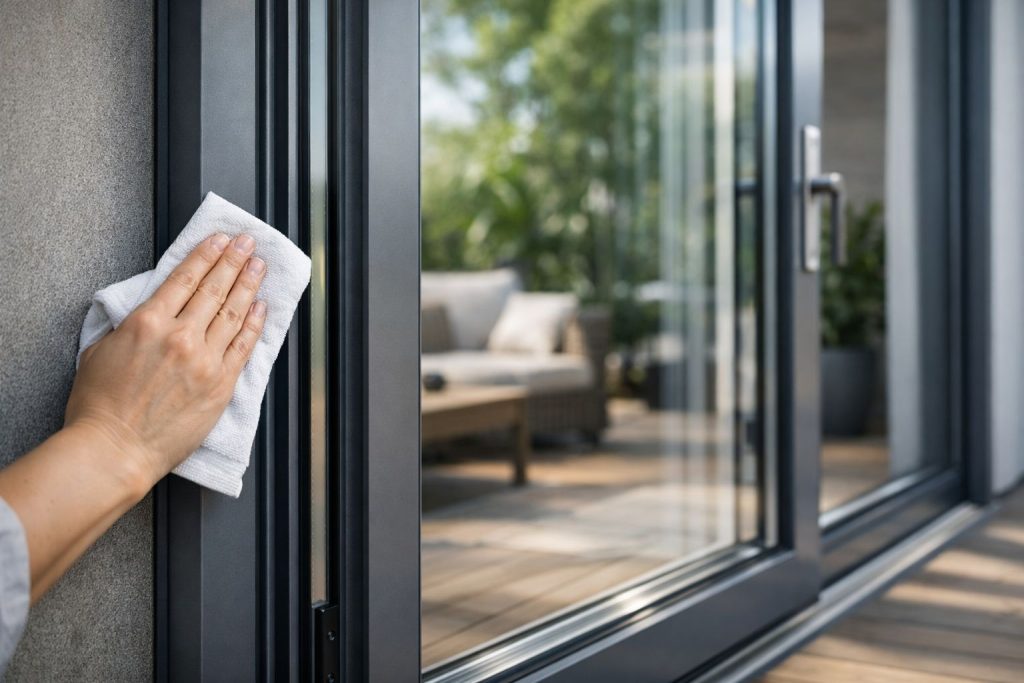
Aluminum doors are everywhere. Modern homes, offices, storefronts—you name it. They look sleek, feel solid, and honestly, they age better than most materials. But here’s the part many people underestimate: even aluminum needs proper care. If you’ve ever looked at your once-glossy door and thought, “Why does it look dull already?”—you’re not alone.
Cleaning aluminum doors isn’t complicated. Still, doing it the wrong way can cause scratches, discoloration, or even long-term surface damage. In this guide, I’ll walk you through everything you need to know—from routine cleaning to removing stubborn stains and oxidation—so your aluminum doors stay sharp, bright, and architecturally impressive for years.
Why Proper Cleaning of Aluminum Doors Matters
Aluminum is known for its corrosion resistance. It forms a natural oxide layer that protects the metal underneath. That’s great news. However, that doesn’t mean it’s maintenance-free.
Dust, pollution, salt air, fingerprints, water stains, and cleaning chemical residues can slowly build up. Over time, this layer of grime dulls the finish and may even damage protective coatings like powder coating or anodizing.
In coastal areas, this becomes even more critical. Salt particles accelerate corrosion, especially around joints and hardware. From what I’ve seen in architectural projects, neglected aluminum doors in high-humidity regions tend to lose their aesthetic value much faster than expected.
Understanding Your Aluminum Door Finish
Before you grab a sponge and start scrubbing, pause for a moment. The cleaning method depends heavily on the finish.
1. Powder-Coated Aluminum Doors
This is one of the most common finishes in modern architectural systems. Powder coating creates a durable, colored protective layer over the aluminum surface. It resists scratches and UV damage—but harsh chemicals can weaken it.
2. Anodized Aluminum Doors
Anodizing enhances the natural oxide layer, making it thicker and more durable. These surfaces usually have a metallic sheen and are slightly more resistant to corrosion.
3. Mill Finish Aluminum
This is raw, untreated aluminum. It’s less common for finished architectural doors but may appear in utility areas. It requires more frequent cleaning to prevent oxidation.
Identifying the finish helps you avoid using aggressive cleaners that might compromise the surface.
Basic Cleaning Routine (Monthly Maintenance)
If you clean your aluminum doors regularly, you’ll rarely need deep restoration. Here’s the simple method I personally recommend for most residential and commercial applications.
Step-by-Step Cleaning Process
- Remove loose dust using a dry microfiber cloth.
- Prepare warm water mixed with mild dish soap (pH-neutral).
- Dip a soft sponge or cloth into the solution and gently wipe the surface.
- Pay attention to corners, joints, and bottom tracks.
- Rinse thoroughly with clean water.
- Dry immediately with a soft, lint-free cloth to prevent water spots.
That’s it. No industrial chemicals. No abrasive pads. Simple works best.
How to Remove Stubborn Stains from Aluminum Doors
Sometimes basic cleaning isn’t enough. Fingerprints, grease, water marks, or urban pollution can leave noticeable stains.
For Grease and Fingerprints
Use diluted white vinegar (1 part vinegar to 3 parts water). Apply with a soft cloth, gently wipe, then rinse and dry.
For Water Stains
A mixture of baking soda and water (forming a light paste) can help. Rub very gently in circular motions. Don’t scrub aggressively—let the paste do the work.
For Oxidation (White Powdery Residue)
This is more common in older or coastal installations. You can use:
- A specialized aluminum cleaner
- A non-abrasive polishing compound
Apply lightly, polish gently, then rinse and dry. If oxidation is severe, professional restoration may be necessary.
What You Should Never Use on Aluminum Doors
This is important. Some cleaning habits can permanently damage aluminum finishes.
- Steel wool or abrasive pads
- Strong alkaline cleaners
- Acidic cleaners (undiluted)
- Chlorine-based products
- Pressure washers at close range
Scratches on powder-coated surfaces are nearly impossible to repair invisibly. I’ve seen beautifully designed entrance doors ruined by overly aggressive scrubbing. It’s simply not worth the risk.
Cleaning Aluminum Door Frames and Tracks
Frames and tracks often collect more dirt than the door panel itself.
Door Tracks
- Vacuum loose debris first.
- Use a soft brush for corners.
- Wipe with soapy water.
- Dry thoroughly.
Keeping tracks clean prevents operational issues and reduces long-term wear.
Handles and Hardware
If handles are stainless steel, clean them separately using appropriate stainless cleaners. Mixing chemicals across materials can cause unwanted reactions.
How Often Should You Clean Aluminum Doors?
Frequency depends on environment:
| Environment | Recommended Cleaning Frequency |
|---|---|
| Urban / High Pollution | Every 1–2 months |
| Coastal Areas | Monthly |
| Suburban / Rural | Every 3 months |
| Interior Aluminum Doors | Every 3–6 months |
Regular light cleaning always beats rare heavy restoration. Always.
Preventative Maintenance Tips
Cleaning is just one part of the equation. Preventative care extends the lifespan significantly.
- Inspect seals and gaskets annually.
- Lubricate hinges and locks (using silicone-based lubricant).
- Avoid direct sprinkler exposure.
- Immediately wipe off cement, plaster, or paint splashes during construction.
Construction residue, by the way, is one of the biggest hidden threats to aluminum finishes. If left untreated, it can etch the surface permanently.
How to Restore Dull Aluminum Doors
If your aluminum door has lost its shine, don’t panic.
You can use a dedicated aluminum polish. Apply it with a microfiber cloth using gentle circular motions. Buff lightly until the surface regains clarity. For powder-coated finishes, always test a small hidden area first.
And honestly, sometimes dullness isn’t damage—it’s just residue buildup. A proper deep clean often makes a dramatic difference.
Special Considerations for Commercial Aluminum Doors
Commercial entrances experience heavy traffic. More hands. More fingerprints. More wear.
In office buildings and retail spaces, weekly surface wiping combined with monthly deep cleaning usually works best. Establishing a maintenance schedule protects both aesthetics and brand image. Because let’s face it—first impressions start at the door.
Common Mistakes People Make
- Using glass cleaner on aluminum frames without rinsing
- Scrubbing stains too aggressively
- Ignoring lower frame buildup
- Letting cleaning chemicals dry on the surface
- Delaying maintenance for years
Small neglect adds up over time. But small care also compounds beautifully.
FAQ – How to Clean Aluminum Doors
Can I use vinegar on aluminum doors?
Yes, but always dilute it with water and rinse thoroughly afterward.
What is the best cleaner for aluminum doors?
A mild pH-neutral soap solution is safest for regular cleaning.
How do I remove oxidation from aluminum doors?
Use a non-abrasive aluminum cleaner or polish, apply gently, then rinse and dry.
Can I pressure wash aluminum doors?
It’s not recommended at close range, as it may damage coatings and seals.
How often should aluminum doors be cleaned?
Every 1–3 months depending on environmental exposure.
Is baking soda safe for aluminum?
Yes, if used gently and rinsed properly.
Why does my aluminum door look cloudy?
Usually due to residue buildup, water stains, or early oxidation.
Final Thoughts
Aluminum doors are durable, elegant, and built for longevity—but like any architectural element, they deserve mindful care. In my experience, consistent gentle cleaning makes all the difference. It preserves not only the material but also the architectural integrity of your space.
If you found this guide helpful, feel free to share it with your team or leave a comment with your specific maintenance challenges. A well-maintained entrance speaks volumes—let’s make sure yours always does.



Leave a Reply
You must be logged in to post a comment.