
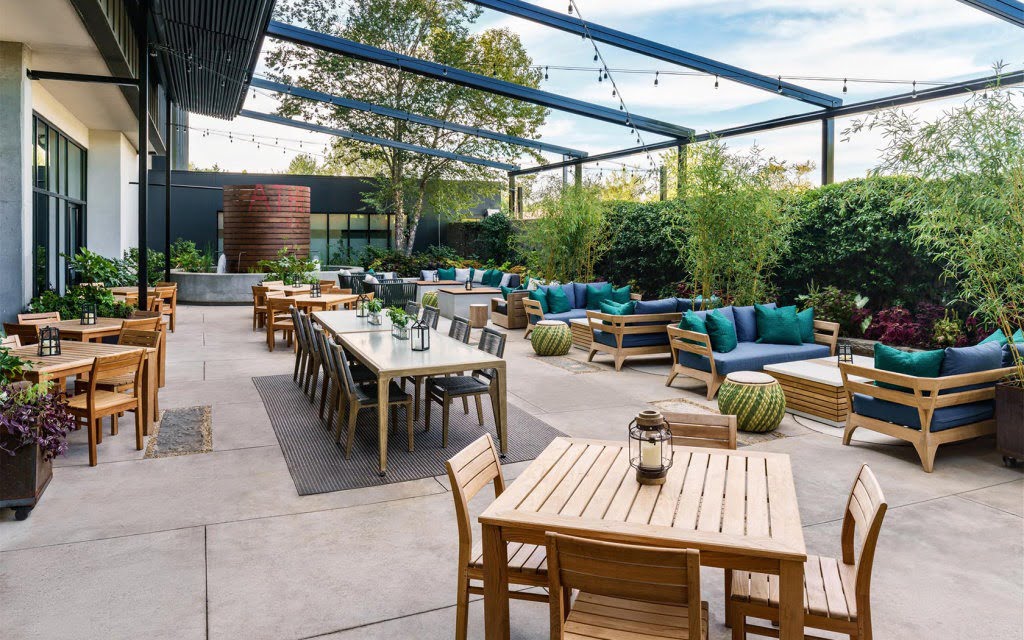
Balcony Screen Enclosures: Transform Your Outdoor Space
Balcony Screen Enclosures: Transform Your Outdoor Space
Have you ever stepped out onto your balcony only to be met with gusty winds, curious neighbors’ eyes, or a swarm of summer insects? If so, you’re not alone. Many homeowners and apartment dwellers crave an outdoor space that offers fresh air without all the discomforts. That’s exactly where balcony screen enclosures step in to save the day. As a professional interior architect, I’ve seen these enclosures completely redefine the way people use their balconies — and to be honest, they’re often the unsung heroes of smart, urban living.
What Exactly Is a Balcony Screen Enclosure?

Let’s start simple. A balcony screen enclosure is a protective system — usually involving mesh, glass, or polycarbonate panels — that surrounds your balcony space to create a semi-outdoor room. It’s not a full extension like a sunroom or conservatory, but it’s a highly functional way to gain privacy, weather protection, and usability all year round.
Depending on the design, these enclosures can be fixed or retractable, opaque or transparent, and integrated with window or sliding door systems. The materials you choose will impact ventilation, visibility, and maintenance needs — and yes, I’ll get into that in just a bit.
Why Are Balcony Screen Enclosures Becoming So Popular?
Over the last few years, especially post-pandemic, outdoor spaces became golden real estate. People started realizing that their balconies weren’t just for drying laundry or storing bicycles — they could be tranquil escapes, cozy nooks, or even productive workspaces.
From what I’ve observed in my own design projects, these are the top reasons people are investing in screen enclosures:
- Privacy: City living often means sharing your view — and your space — with others. A screen can give you that precious visual buffer.
- Weather Protection: Wind, rain, and even harsh sun are no match for a well-designed enclosure.
- Insect Control: Say goodbye to mosquito ambushes during your evening tea.
- Safety for Kids & Pets: Screens act as subtle barriers, giving peace of mind if you’ve got little ones or curious pets.
- Aesthetic Upgrade: Let’s be honest — a properly enclosed balcony just looks more polished and put-together.
Types of Balcony Screen Enclosures
There’s no one-size-fits-all solution here. Each enclosure should be tailored to the structure of the balcony and the lifestyle of the owner. Here are some of the most common — and effective — types:
1. Fixed Screen Panels
Simple, effective, and budget-friendly. These are typically aluminum frames fitted with mesh or glass panels. They’re great for long-term use and require minimal maintenance.
2. Retractable Systems
For those who want flexibility, retractable screen systems are a dream. You can enjoy an open-air space when the weather’s fine, and pull down the screen when needed. Some high-end versions are even motorized — and yes, they feel a little like magic.
3. Sliding or Folding Glass Enclosures
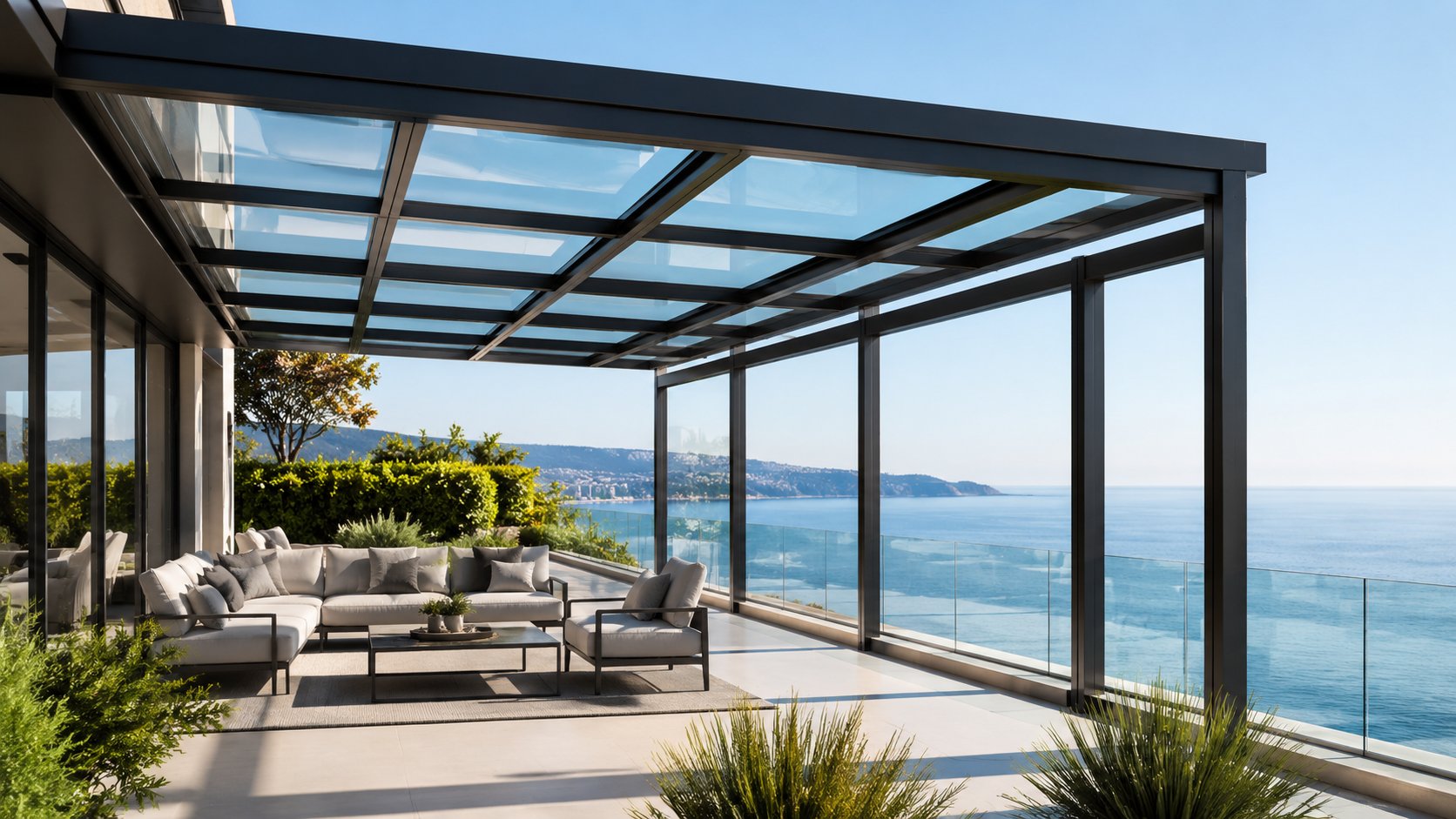
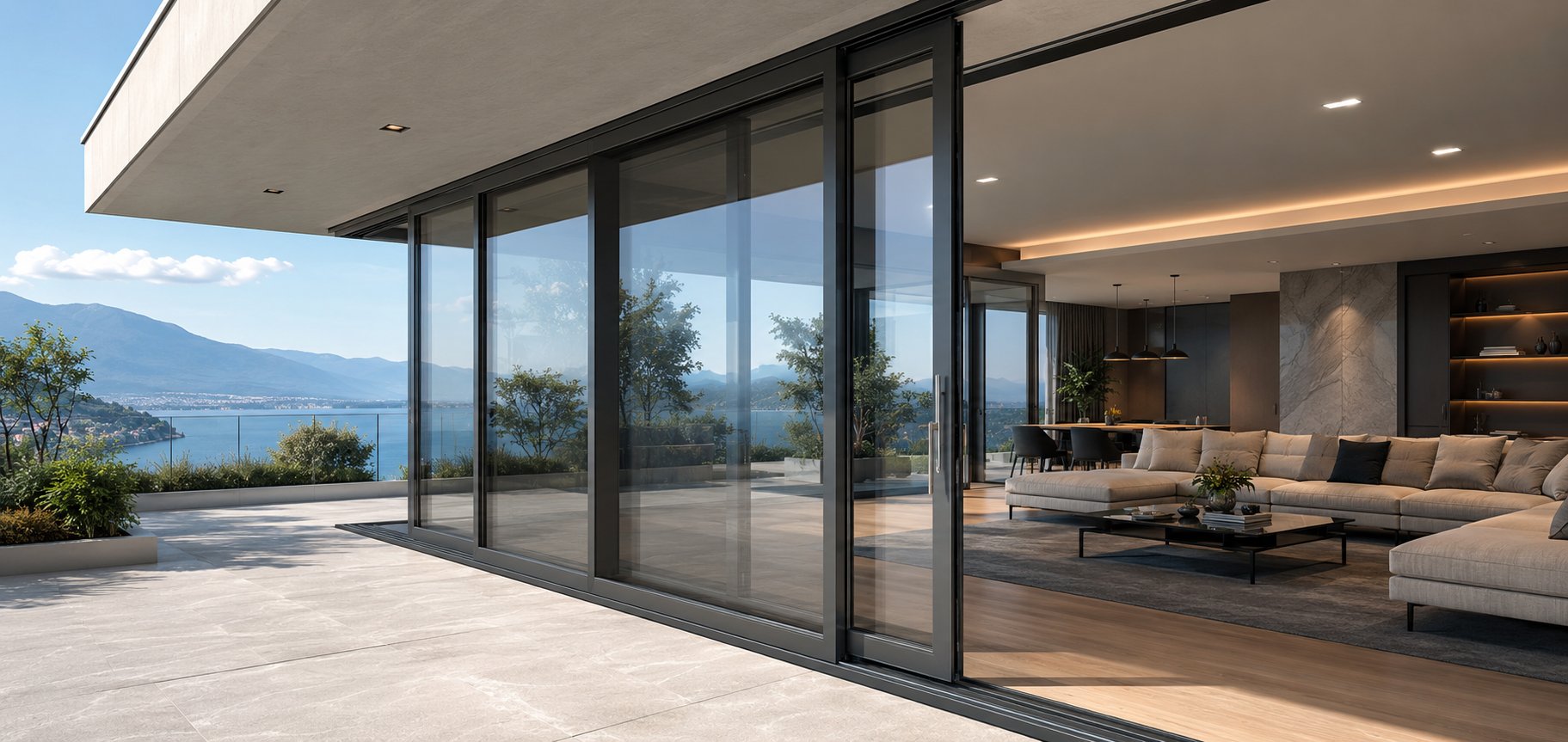
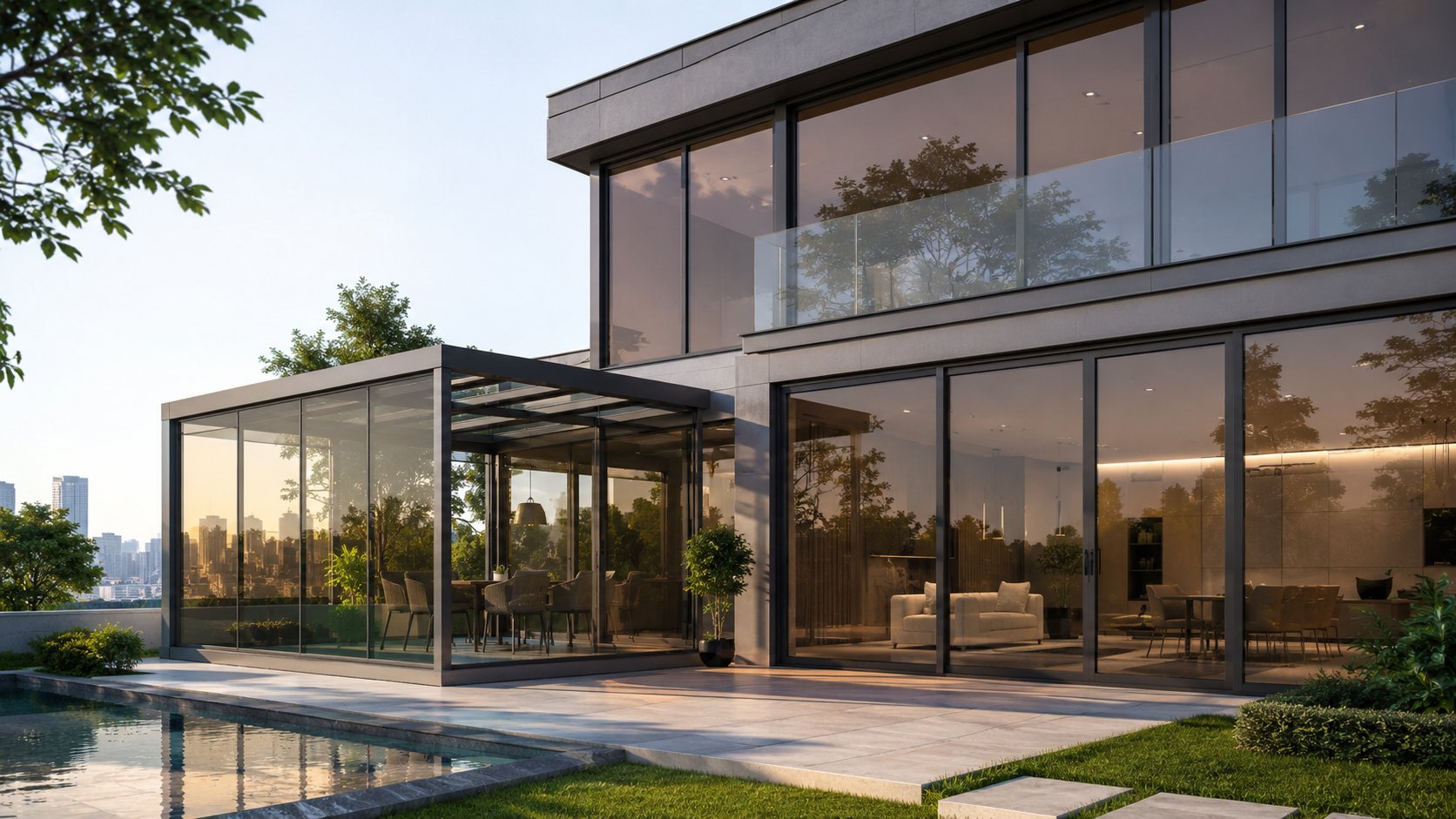
If you’re after year-round usability, folding or sliding glass panels can turn your balcony into a semi-interior space. They offer panoramic views, noise reduction, and temperature control. Ideal for modern apartments with a view worth framing.
4. DIY Mesh Screens
Not the most durable option, but if you’re renting or on a tight budget, temporary mesh screen kits are available. They attach with Velcro or magnetic strips and can be removed without damaging walls.
Choosing the Right Materials
From an architectural point of view, the right material choice makes or breaks the enclosure’s performance. Here’s a quick breakdown:
| Material | Pros | Cons |
|---|---|---|
| Fiberglass Mesh | Affordable, good ventilation, rust-resistant | Can tear easily, limited privacy |
| Aluminum Mesh | Durable, stronger against pests, sleek look | Less flexible, prone to denting |
| Tempered Glass | Elegant, weatherproof, sound insulation | Expensive, requires sturdy structure |
| Polycarbonate Panels | UV-resistant, lightweight, impact-resistant | Can yellow over time, less transparency |
Design Considerations from a Professional’s Eye
Okay, now we’re getting to the fun part — the design. As someone who’s worked on numerous balcony transformations, here are some tips you won’t want to skip:
- Consider Orientation: South-facing balconies get more sun — meaning you might want tinted or UV-filtered enclosures.
- Integrate the Interior Style: Match the color and form of your enclosure with your existing indoor theme. Continuity makes the space feel bigger and more intentional.
- Don’t Forget Ventilation: Especially with glass enclosures, airflow is key. Install operable sections or hidden vents.
- Plan for Furniture: Choose compact, weather-resistant pieces. Think folding chairs, wall-mounted tables, or even built-in seating.
Permits and Regulations: Do You Need One?
Honestly, this is one of those “it depends” scenarios. In most urban areas, installing permanent structures — especially if they alter the exterior façade — might require approval from building management or local municipalities. Always check your regional codes before installation. Better safe than tearing it all down later.
Maintenance Tips to Keep It Looking New
Even the best-designed enclosure can lose its charm without proper upkeep. Here’s a quick checklist I often share with clients:
- Clean mesh screens monthly with mild soap and a soft brush.
- Wipe down glass panels weekly to avoid hard water stains.
- Check for any signs of rust or damage after heavy storms.
- Lubricate sliding tracks every few months.
- Re-tighten screws or fasteners as part of seasonal maintenance.
Cost Expectations: Budgeting Your Project
Here’s a ballpark guide — though obviously, prices vary based on region, supplier, and customization level:
- Basic mesh screens: $200 – $600
- Retractable systems: $800 – $2,000+
- Framed glass enclosures: $2,500 – $7,000+
Bence (yes, personal opinion incoming), it’s always smarter to invest a bit more upfront for better materials and craftsmanship. A poorly installed enclosure is worse than none at all.
Final Thoughts: Is It Worth It?
To wrap things up, balcony screen enclosures are more than just a practical upgrade — they’re a lifestyle enhancement. Whether you’re sipping coffee on a quiet morning or working from home in a light-filled corner, these enclosures let you use every square meter of your space more meaningfully.
From my perspective as a designer, they strike that sweet spot between form and function. You gain comfort, style, and an added layer of usability without committing to full-on renovations. If your balcony has been a neglected afterthought, maybe it’s time to give it the attention it deserves.
What’s Your Take?
Have you considered enclosing your balcony? Or maybe you already have one and want to share your experience? I’d love to hear your thoughts, tips, or even photos of your space. Feel free to drop a comment below or share this with someone who’s always talking about making their balcony “more livable.”
Until next time, stay inspired — and don’t be afraid to treat your outdoor space like the sanctuary it can be.
You can get help from our Whatsapp Support Line for your questions.
1 response to “Balcony Screen Enclosures: Transform Your Outdoor Space”
Leave a Reply
You must be logged in to post a comment.


Do you think this can replace normal windows, i want to use this for my living room balcony and will be primary room window. Is it well thermaly isolated