
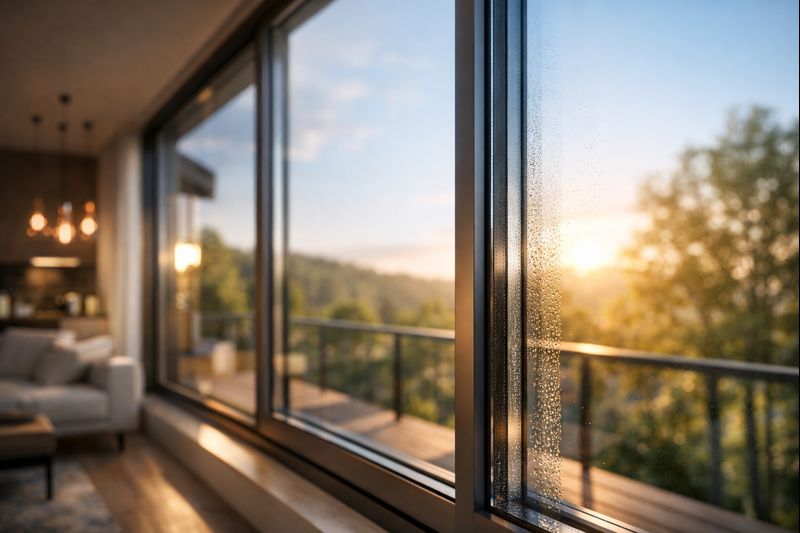
What Is Double Glazing (Insulated Glass Unit – IGU)?
Double glazing, also known as an Insulated Glass Unit (IGU), is one of the most effective ways to improve thermal comfort, energy efficiency, and acoustic performance in modern buildings.
Why Double Glazing Matters in Modern Architecture
If you’ve ever stood near a poorly insulated window in winter, you already know the feeling. Cold drafts, condensation, outside noise… all signs of outdated glazing. In contemporary architecture, glass is no longer just about visibility or aesthetics. It’s a performance element.
Double glazing plays a critical role here. It helps buildings retain heat, reduce energy consumption, and create more comfortable interior spaces. From residential homes to large-scale commercial projects, IGUs have become a standard rather than a luxury.
What Exactly Is Double Glazing?
At its core, double glazing refers to a window or façade system made of two glass panes separated by a sealed space. This space is usually filled with air or inert gas, creating an insulating barrier between the interior and exterior environments.
In technical terms, this sealed assembly is called an Insulated Glass Unit (IGU). The idea is simple, but the performance impact is huge.
Main Components of an IGU
- Outer glass pane: Exposed to external weather conditions.
- Inner glass pane: Facing the interior space.
- Spacer: Keeps the glass panes evenly separated.
- Desiccant: Absorbs moisture inside the cavity.
- Sealant system: Ensures airtightness and durability.
How Double Glazing Works
The magic happens in the space between the glass panes. This cavity slows down heat transfer. In winter, indoor heat struggles to escape. In summer, outdoor heat finds it harder to get inside.
When inert gases like argon or krypton are used instead of air, thermal performance improves even more. These gases conduct less heat, which means better insulation without increasing glass thickness.
Types of Double Glazing
Standard Air-Filled Double Glazing
This is the most common and cost-effective option. It provides solid insulation compared to single glazing and is suitable for many residential applications.
Gas-Filled Double Glazing
Argon-filled IGUs are probably the most popular upgrade. They offer better thermal resistance without a significant cost increase. Krypton is even better, though usually reserved for high-end or space-limited designs.
Low-E Double Glazing
Low-emissivity (Low-E) coatings reflect heat back into the room while still allowing natural light to pass through. Honestly, from my perspective, this is where double glazing really starts to shine.
Laminated or Tempered Double Glazing
When safety, security, or noise control is a priority, laminated or tempered glass can be integrated into an IGU. This is common in urban environments or commercial buildings.
Key Benefits of Double Glazing
Energy Efficiency
Double glazing significantly reduces heat loss. That means lower heating and cooling demands, and yes, reduced energy bills. Over time, this alone can justify the initial investment.
Thermal Comfort
No more cold zones near windows. Indoor temperatures feel more stable and balanced, which is something occupants notice immediately.
Sound Insulation
Living near traffic, airports, or busy streets? Double glazing helps dampen external noise. Thicker glass and wider cavities improve acoustic performance even further.
Condensation Reduction
By keeping the interior glass surface warmer, IGUs significantly reduce condensation. This helps protect frames, finishes, and indoor air quality.
Enhanced Security
Two panes are harder to break than one. Add laminated glass, and forced entry becomes even more difficult.
Double Glazing vs Single Glazing
| Feature | Single Glazing | Double Glazing |
|---|---|---|
| Thermal insulation | Low | High |
| Sound insulation | Minimal | Moderate to high |
| Energy efficiency | Poor | Excellent |
| Condensation control | Weak | Strong |
Where Double Glazing Is Commonly Used
- Residential windows and doors
- Office buildings
- Shopping centers
- Hotels and hospitality projects
- Façade and curtain wall systems
Is Double Glazing Always the Best Choice?
Most of the time, yes. But context matters. Climate, building orientation, budget, and architectural intent all play a role. In very hot climates, solar control coatings become just as important as insulation. In cold regions, gas-filled Low-E IGUs are almost essential.
From what I’ve seen, the biggest mistake is choosing glazing purely based on price, without considering long-term performance.
Installation and Quality Considerations
Even the best IGU won’t perform well if it’s poorly manufactured or incorrectly installed. Seal integrity is critical. A failed seal leads to fogging, moisture ingress, and loss of insulation.
Proper frame compatibility, correct spacing, and professional installation are just as important as the glass itself.
Maintenance and Lifespan
High-quality double glazing can last 20–30 years or more. Maintenance is minimal, usually limited to routine cleaning and periodic inspection of seals.
Environmental Impact
By reducing energy consumption, double glazing helps lower carbon emissions. Over its lifecycle, an IGU often offsets the environmental cost of its production.
Frequently Asked Questions (FAQ)
What does IGU stand for?
IGU stands for Insulated Glass Unit, which refers to sealed multi-pane glass assemblies used in modern windows and façades.
Is double glazing worth the investment?
Yes. Energy savings, comfort, and property value improvements usually outweigh the initial cost over time.
Can double glazing reduce noise?
Absolutely. Especially when combined with laminated glass or wider air gaps.
How long does double glazing last?
Typically between 20 and 30 years, depending on quality and environmental conditions.
Can double glazing be customized?
Yes. Glass thickness, coatings, gas fills, and safety features can all be tailored to project needs.
Final Thoughts
Double glazing is no longer just a technical upgrade; it’s a fundamental part of modern architectural performance. If you’re designing, renovating, or simply evaluating building systems, understanding IGUs gives you a real advantage.
If this topic resonates with you, feel free to share it or leave a comment. Sometimes, the smallest design decisions make the biggest difference.



Leave a Reply
You must be logged in to post a comment.