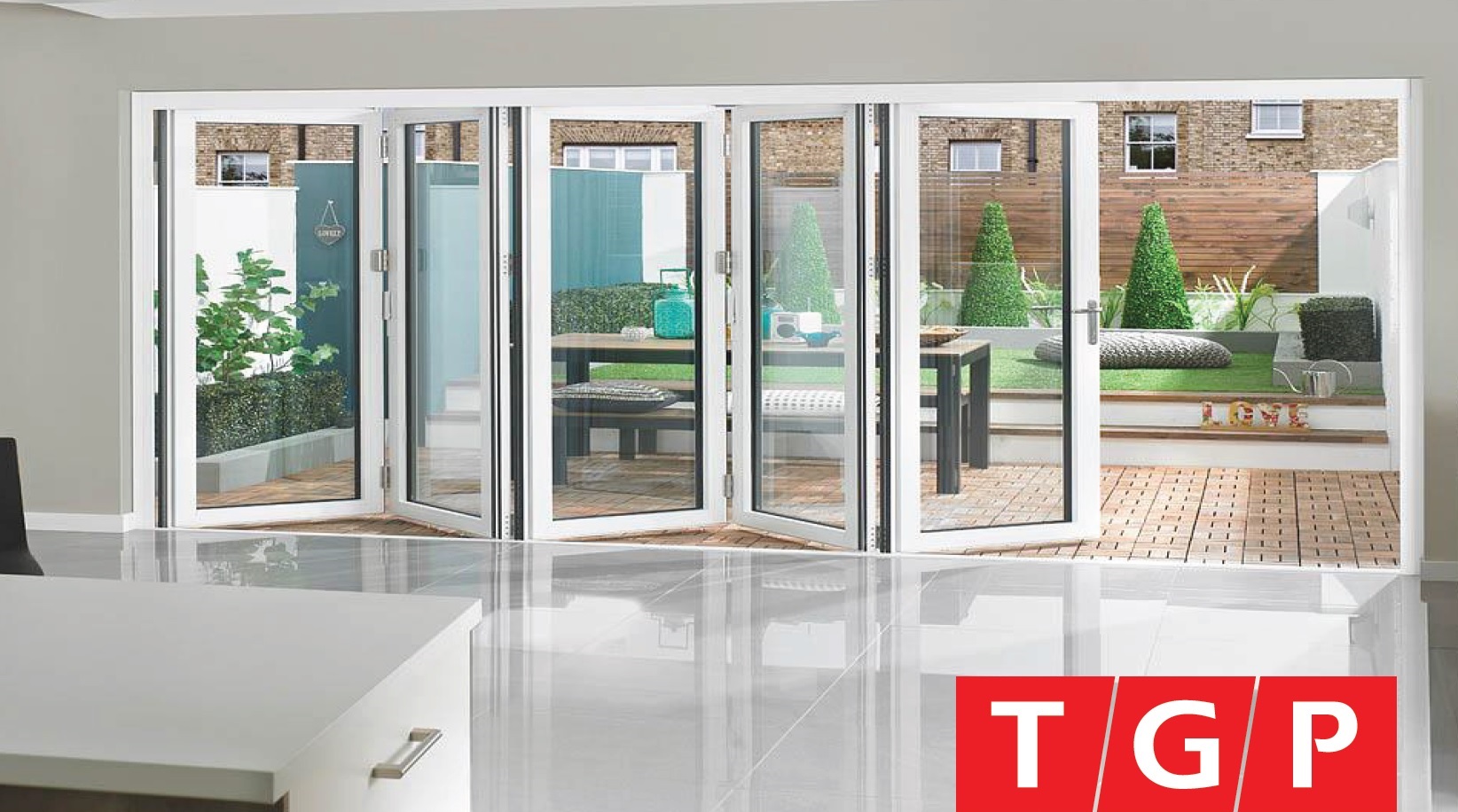
Outward Opening Casement Windows - TGP Systems
Outward Opening Casement Windows - TGP Systems
TH 62 – THS62 Thermal Window & Door System
Product Description
| Frame width | 62 mm |
|---|---|
| System wall thickness | 1,8 mm |
| Insulation barrier | 18 mm |
| Glass thickness | 4–45 mm |
| Sash width | Profiles with euronorm channels |
- Inner gasket, outer gasket and gasket for open joint maximum air and water performance
- Use of common glazing bead compatible with other systems
- Use of common press corners and pin connections compatible with other systems
- Easy installation
- Visual presentation with flat sash design
- Uij = 3,03 / Heat transmissions coefficient
- Opening types: Single-sash window, double-sash window, transom window, pivot window, inward-opening single sash door, inward-opening double-sash door, outward-opening single-sash door, outward-opening double-sash door, folding door, parallel sliding
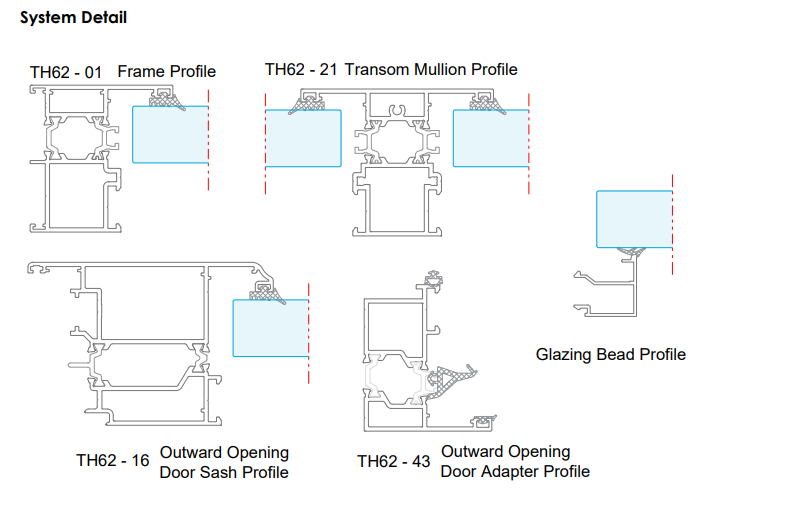
System Detail
- TH62 – 01 — Frame Profile
- TH62 – 21 — Transom Mullion Profile
- TH62 – 16 — Outward Opening Door Sash Profile
- TH62 – 43 — Outward Opening Door Adapter Profile
- Glazing Bead Profile
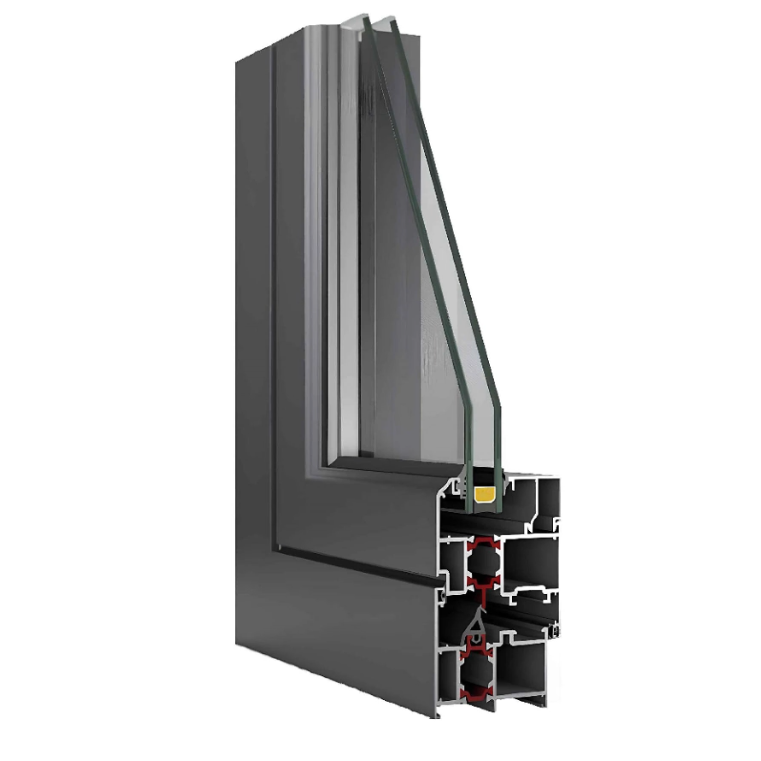
The TH62 Aluminum Profile System Used in Our Outward Opening Casement Windows
The TH62 system, specially designed for a custom project with integrated top ventilation, is an advanced aluminum profile system engineered for durability and modern architectural demands. With a 62 mm frame depth and an 18 mm thermal break, it offers excellent insulation performance. The glass used in this project has an STC rating of 34, ensuring effective sound insulation. The system supports various opening types and delivers outstanding thermal and structural performance.
Outward Opening Mechanism – Hinge, Limiter, and Hoppe New York Handle
This configuration features an outward-opening sash equipped with robust hinges for smooth operation. A limiter is included to control the opening angle, ensuring safety and controlled ventilation. The elegant and ergonomic Hoppe New York handle combines both style and functionality. Additional drainage holes are also provided.
Additional Feature – Renson Ventilation Unit
To enhance air circulation and indoor air quality, a Renson ventilation grille has been integrated into the system.
Outward Opening Casement Windows – Modern, Functional and Architect-Focused Design
In contemporary architecture, every detail matters. And honestly, we see that windows are no longer just openings that bring light into a space; they have become structural elements that define comfort, functionality, and aesthetic identity. For architects who seek a balance of visual clarity and performance, an outward opening casement window offers a refreshing combination of practicality and refined engineering. This page explains how these systems work, where they are used, their advantages, and what makes them such a reliable choice—especially in high-demand projects.
What Is an Outward Opening Casement Window?
An outward opening casement window—also known as an outswing opening casement window—is a window type where the sash opens towards the exterior of the building rather than inward. For many of us working closely with projects that require seamless and ergonomic spatial planning, this outward movement can be a significant advantage. It frees up interior space, supports better cross-ventilation, and remains one of the most flexible window solutions for both residential and commercial developments.
Unlike sliding systems or tilt-and-turn models, casement windows offer a remarkably wide opening angle. This not only improves natural airflow but also enhances day-to-day user comfort. In simple terms, it is a reliable, low-maintenance architectural element that performs exceptionally well in modern façades.
How Does an Outward Opening Casement Window Work?
These systems function through a side-hinged mechanism, allowing the sash to open outward. The hinges are engineered to carry high sash weights, which is especially important when working with large insulated glass units. In most high-quality systems, the mechanism includes:
- Durable exterior-grade hinges – built to resist wind load and frequent use.
- Opening limiters – for safe and controlled ventilation.
- Secure locking mechanisms – preventing unwanted openings in windy weather.
- Specialized handles – ergonomic and designed for architectural aesthetics.
Architects typically ask whether outward opening systems compromise weather sealing. From what we observe in premium systems, the answer is no. With the proper gasket geometry and multi-layer sealing lines, these windows can deliver impressive thermal and acoustic performance—even under demanding environmental conditions.
Where Are Outward Opening Casement Windows Commonly Used?
They are widely used across various architectural typologies thanks to their versatility. Here are some of the most common applications:
- Private homes seeking uninterrupted interior space.
- High-rise residential projects where inward opening may be impractical.
- Hotels and boutique accommodations focusing on ventilation and comfort.
- Educational facilities that require safe and controlled openings.
- Commercial façades that demand strong structural integrity.
Especially in contemporary architecture—with growing emphasis on clean lines and energy performance—this window type stands out as a reliable long-term solution.
Advantages of Outward Opening Casement Windows
We often receive questions about why architects prefer this system over inward opening alternatives. Below is a clear breakdown supported by our field experience and project observations:
1. Maximum Interior Space Efficiency
Because the sash moves outward, the interior remains completely free. This is especially valuable in compact rooms, kitchens, hotel suites, or anywhere furniture layout needs flexibility.
2. Enhanced Natural Ventilation
The outward swing catches wind more effectively, providing better air circulation. When paired with trickle vents or mechanical ventilation components, the comfort level becomes exceptional.
3. High Thermal and Acoustic Performance
Modern casement windows integrate advanced thermal break technologies and multi-layer gaskets. This ensures low U-values, reduced energy consumption, and noticeably improved acoustic comfort.
4. Exceptional Weather Resistance
Since the sash presses firmly against the frame when closed, it tightens the gasket lines, achieving superior sealing performance—something architects often underline as a must-have in windy or coastal regions.
5. Aesthetically Clean Exterior Appearance
The frames maintain a slim and minimalistic look. The architectural façade appears sharper and more spacious thanks to the outward swing direction.
6. Safety and Child-Friendly Opening Options
Limiters ensure safe opening angles. For schools, hotels, and healthcare buildings, this is a major advantage.
7. Compatibility with Modern Smart-Building Requirements
Outward opening casement windows can be integrated with sensors that report window status (open/closed), which is highly valued in smart home and building automation systems.
Technical Expectations from High-Quality Casement Window Systems
In high-end projects, architects naturally expect more than just a functioning window. The system must deliver structural reliability, elegant detailing, and thermal excellence. Below are the common technical considerations we keep in mind while designing outward opening systems:
- Frame depth and profile geometry for structural stability.
- Thermal break width directly affecting insulation performance.
- Glass STC ratings for sound reduction.
- Wind load resistance especially in coastal or high-rise applications.
- Drainage paths for long-term durability.
- Hardware selection including hinges, limiters, and handles.
Each of these parameters shapes the long-term performance of a casement system. As designers, we know that choosing the right configuration early in the project often prevents costly revisions later on.
Why Architects Prefer This System
From our experience, architects value systems that combine design freedom with predictable performance. The TH62 system meets this expectation beautifully. Its structural rigidity supports large glazing areas, while the outward opening mechanism ensures both ergonomic usage and sleek façade integration. The thermal break depth is also ideal for projects seeking elevated energy efficiency without compromising on frame proportions.
Maintenance and Long-Term Performance
One question we hear frequently is: “Do outward opening casement windows require more maintenance?” The truth is, when built with high-quality aluminum profiles and hardware, the maintenance level is minimal. Basic cleaning of gaskets, occasional lubrication of hinges, and routine inspection of drainage channels ensure decades of reliable performance.
Is an Outward Opening Casement Window Right for Your Project?
If your project prioritizes ventilation, interior space efficiency, and a clean exterior appearance, then the answer is likely yes. Whether it’s a single residential renovation or a large-scale commercial development, these systems adapt comfortably to diverse project requirements. And frankly, based on what we observe in the field, outward opening casement windows continue to be one of the most future-proof choices in modern architectural glazing.
Conclusion
Choosing the right window system should never feel like a simple technical decision—it’s an architectural choice that shapes user experience and space identity. Outward opening casement windows offer a balanced combination of elegant design, high performance, and long-term durability. If you’re exploring options for your upcoming project, this system certainly deserves a closer look.
Feel free to share your thoughts or reach out for tailored recommendations—sometimes a short conversation can reveal the perfect configuration for your design goals.