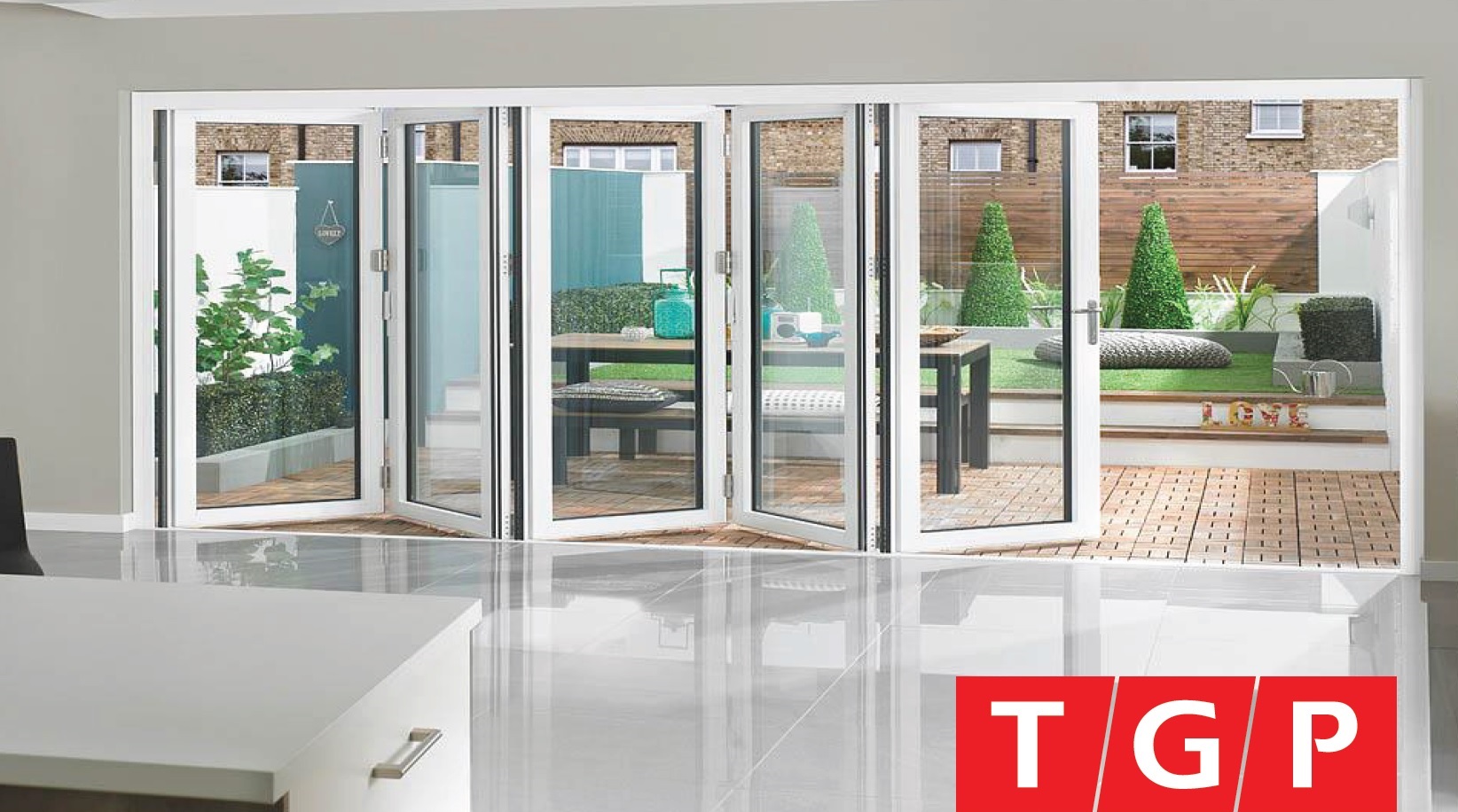
Outswing Opening Casement Windows - TGP Systems
Outswing Opening Casement Windows - TGP Systems
TH 62 – THS62 Thermal Window & Door System
Product Description
| Frame width | 62 mm |
|---|---|
| System wall thickness | 1,8 mm |
| Insulation barrier | 18 mm |
| Glass thickness | 4–45 mm |
| Sash width | Profiles with euronorm channels |
- Inner gasket, outer gasket and gasket for open joint maximum air and water performance
- Use of common glazing bead compatible with other systems
- Use of common press corners and pin connections compatible with other systems
- Easy installation
- Visual presentation with flat sash design
- Uij = 3,03 / Heat transmissions coefficient
- Opening types: Single-sash window, double-sash window, transom window, pivot window, inward-opening single sash door, inward-opening double-sash door, outswing-opening single-sash door, outswing-opening double-sash door, folding door, parallel sliding
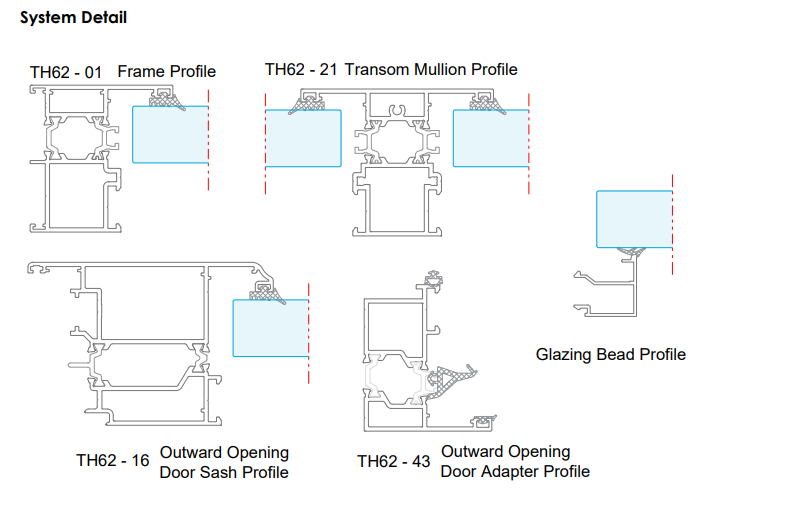
System Detail
- TH62 – 01 — Frame Profile
- TH62 – 21 — Transom Mullion Profile
- TH62 – 16 — Outswing Opening Door Sash Profile
- TH62 – 43 — Outswing Opening Door Adapter Profile
- Glazing Bead Profile
The TH62 Aluminum Profile System Used in TGP Outswing Opening Casement Windows
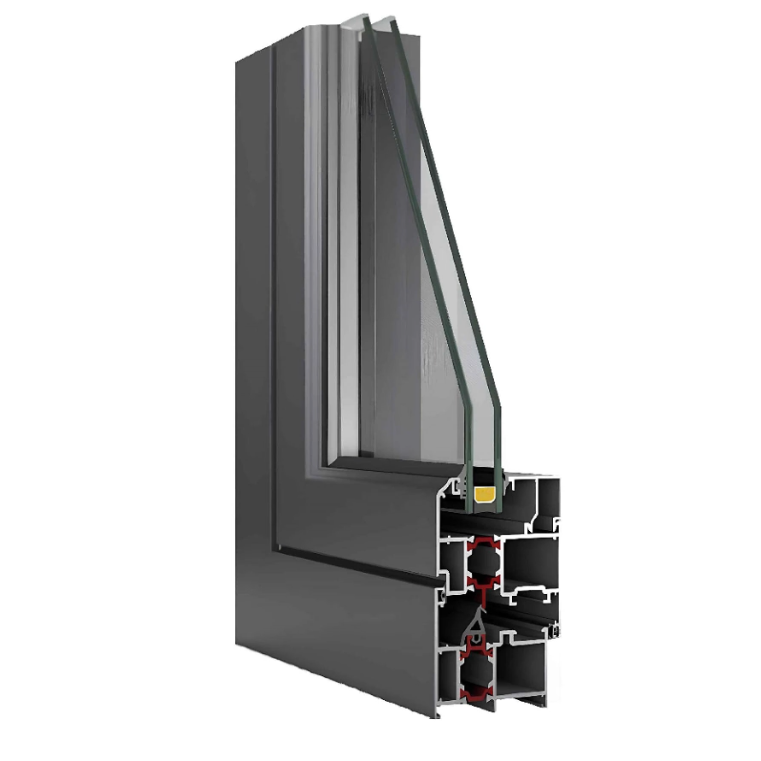
The TH62 aluminum profile system, developed for a custom project incorporating integrated top ventilation, is a high-performance solution designed to meet the structural and thermal expectations of contemporary architecture. With a 62 mm frame depth and an 18 mm thermal break barrier, the system delivers reliable insulation and long-term durability. The glazing configuration applied in this project reaches an STC value of 34, contributing to effective acoustic insulation in both residential and commercial environments. Supporting multiple opening variations, the TH62 platform offers excellent structural stability while maintaining refined architectural proportions. Outswing Opening Configuration – Heavy-Duty Hinges, Opening Limiter and Hoppe New York Handle This system features an outswing sash configuration supported by reinforced hinges engineered for smooth and controlled movement. An integrated opening limiter allows precise regulation of the sash angle, ensuring both user safety and balanced ventilation. The Hoppe New York handle enhances the design with its clean lines and ergonomic functionality, aligning perfectly with modern façade concepts. Additional drainage openings are integrated into the profile system to ensure long-term weather resistance and operational reliability. Supplementary Component – Renson Ventilation Unit To further optimize airflow and indoor comfort levels, a Renson ventilation grille has been incorporated into the system, supporting controlled air exchange while preserving façade integrity.
Outswing Opening Casement Windows – Performance-Driven Design for Contemporary Architecture
In today’s architectural landscape, window systems are no longer secondary components—they actively define spatial quality, energy efficiency, and façade identity. An outswing opening casement window stands out as a solution that merges structural strength with visual simplicity. Rather than occupying interior space, this outward-swinging configuration maximizes usability within the room while maintaining a sleek exterior appearance. For architects seeking precision, durability, and ventilation efficiency in one system, this solution offers a compelling balance.
What Is an Outswing Opening Casement Window?
An outswing opening casement window is a side-hinged window system in which the sash opens toward the exterior of the building envelope. Unlike inward-opening units, this configuration preserves interior layout flexibility and ensures uninterrupted use of indoor space. In many architectural applications, especially where space planning is critical, this outward motion becomes a practical advantage. Compared to sliding or tilt-and-turn systems, casement window configurations allow significantly wider opening angles, improving natural airflow and enhancing daily comfort. For both residential and commercial developments, this system remains one of the most adaptable façade elements available.
How the Outswing Mechanism Operates
The functionality of an outswing opening casement window is based on a side-hinged mechanism engineered to support insulated glass units of varying weights. High-quality hardware plays a decisive role in long-term performance. A typical configuration includes:
- Exterior-grade reinforced hinges designed to withstand wind pressure and repeated operation.
- Opening restrictors that regulate the sash angle for safe ventilation.
- Multi-point locking systems ensuring security and weather resistance.
- Architectural handles combining ergonomic design with visual refinement.
One common concern is whether an outswing configuration compromises sealing performance. In well-engineered aluminum systems such as TH62, multi-layer gasket lines and precision profile geometry provide reliable thermal insulation and strong resistance against wind and rain.
Application Areas of Outswing Opening Casement Windows
Thanks to their structural efficiency and adaptability, these systems are widely specified across various project types:
- Residential villas and private homes requiring optimal interior space usage.
- Multi-story housing projects where inward opening may limit functionality.
- Hospitality buildings prioritizing ventilation and user comfort.
- Educational and healthcare facilities needing controlled opening angles.
- Commercial façades demanding high wind-load resistance.
As energy efficiency standards become stricter, the outswing opening casement window continues to offer a dependable and future-oriented glazing solution.
Key Benefits of Outswing Opening Casement Windows
Architects and project planners often select this system for its combination of design flexibility and measurable performance. Below are the core advantages:
1. Interior Space Optimization
Since the sash opens outward, no interior clearance is required. This allows complete freedom in furniture placement and spatial organization.
2. Improved Natural Air Circulation
The outward movement captures wind flow more effectively, encouraging enhanced cross-ventilation—particularly valuable in naturally ventilated designs.
3. Strong Thermal and Acoustic Insulation
Advanced thermal break technology and high-performance glazing options help reduce heat transfer and external noise infiltration, contributing to energy-efficient building envelopes.
4. Superior Weather Sealing
When closed, the sash compresses firmly against the gasket system, reinforcing sealing performance against wind-driven rain and harsh environmental conditions.
5. Clean and Modern Façade Appearance
Slim aluminum frames and precise profile lines ensure a contemporary look that complements minimalist architectural concepts.
6. Safe Ventilation Control
Integrated limiters allow safe partial opening, making the system suitable for schools, hotels, and residential projects.
7. Integration with Smart Building Systems
Outswing casement units can be equipped with sensors that monitor open/closed positions, supporting automated ventilation and building management systems.
Technical Criteria in High-Performance Casement Window Systems
In premium architectural projects, a window must exceed basic functionality. Critical technical parameters include:
- Frame depth and structural profile design for load-bearing stability.
- Thermal break dimensions influencing U-value performance.
- Glass acoustic ratings (STC) for enhanced sound insulation.
- Wind resistance classification for coastal or high-rise projects.
- Integrated drainage systems ensuring long-term durability.
- Precision hardware components including hinges, restrictors and handles.
Careful specification of these elements ensures reliable performance throughout the building’s lifecycle.
Why the TH62 System Is a Preferred Choice
The TH62 aluminum profile platform responds effectively to architectural expectations. Its structural rigidity supports large glazing surfaces, while the 18 mm thermal break enhances insulation performance without increasing visual bulk. The outswing mechanism complements contemporary façade strategies, enabling clean exterior lines and practical interior planning. For projects balancing design ambition with technical reliability, this system provides a refined solution.
Maintenance and Durability
Outswing opening casement windows built with high-grade aluminum and certified hardware require minimal maintenance. Routine cleaning of seals, periodic lubrication of moving parts, and inspection of drainage channels are typically sufficient to preserve long-term performance. Aluminum’s resistance to corrosion and deformation ensures structural consistency even under demanding climatic conditions.
Is an Outswing Opening Casement Window Suitable for Your Project?
If your architectural concept prioritizes ventilation efficiency, space optimization, and façade clarity, an outswing opening casement window is a strong candidate. Whether specified for residential developments or large-scale commercial applications, this system adapts comfortably to diverse structural requirements. Based on practical field observations, outward-swinging casement configurations remain among the most durable and architect-friendly glazing options available today.
Conclusion
Selecting a window system is more than a technical decision—it influences comfort, energy performance, and architectural identity. Outswing opening casement windows combine engineering precision, modern aesthetics, and dependable long-term functionality. If you are evaluating window systems for an upcoming project, this configuration deserves serious consideration. For tailored guidance or specification support, our team at TGP Systems is ready to assist in defining the most suitable solution for your design objectives.